A considered purchase at Alma Bay Harbor Islands starts with legal identity, project-specific construction records, actual warranty terms, and written documentation of any unresolved claims. Here are the questions to put before the seller, association, inspector, and counsel before closing.
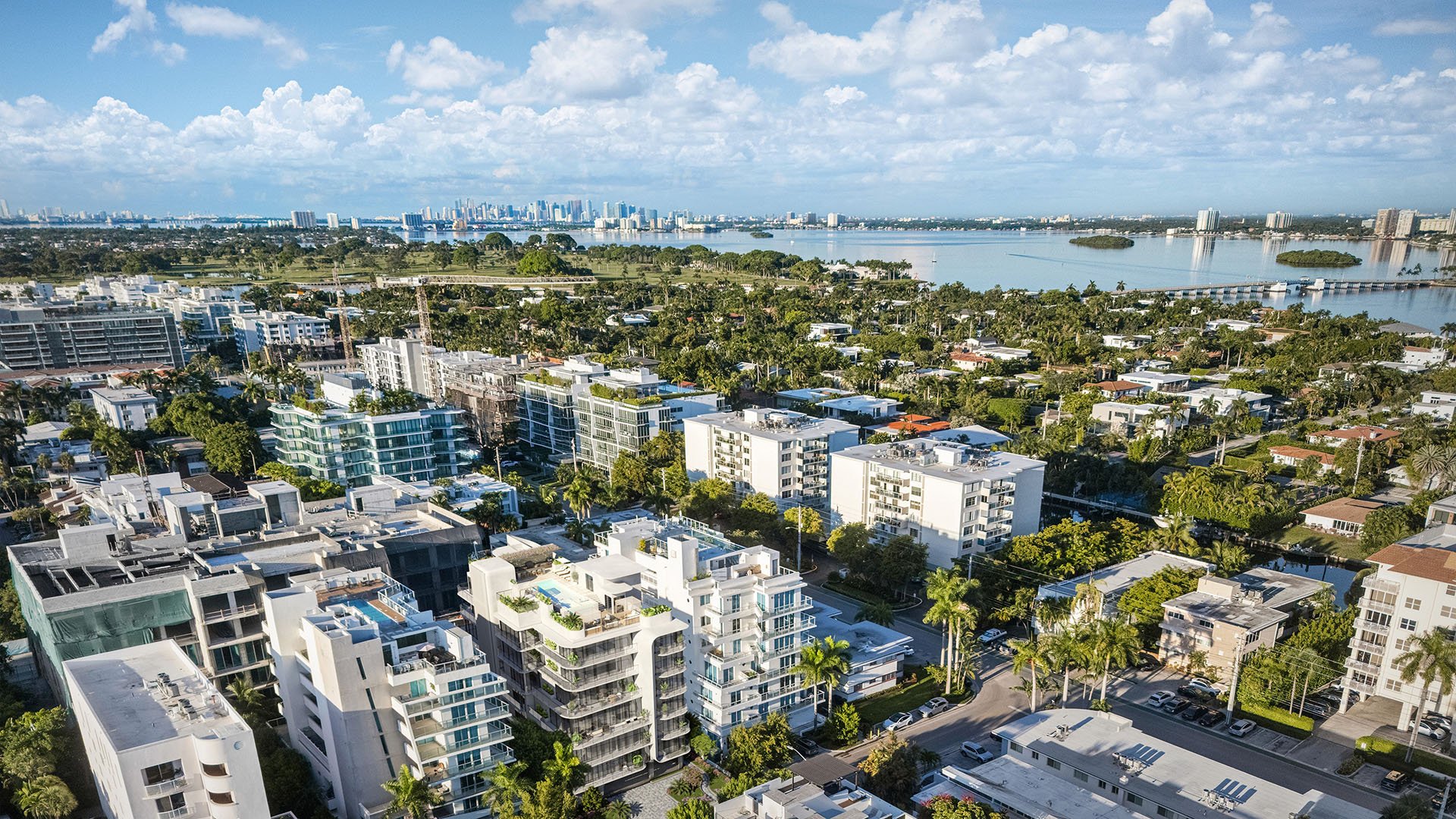
For a buyer considering Alma Bay Harbor Islands, construction due diligence deserves the same attention as the residence’s layout and finishes. The essential questions are what was built, what has required attention, and which protections remain available when ownership changes.
This article does not establish an Alma-specific construction-defect lawsuit, open claim, or warranty dispute. That is not an assurance that none exists. Nor is it a basis for describing Alma as a development with known defects or litigation. The appropriate response is neither suspicion nor reassurance, but a request for property-specific documentation.
Before matching a court filing, permit, or warranty to a prospective purchase, confirm the property address, recorded condominium name, developer entity, and association. Ask counsel to reconcile those identifiers with the purchase agreement and condominium declaration.
Similar branding is not enough to connect construction records or claims. Confirm that each document concerns the legal property and entities involved in the purchase rather than a similarly named development.
Request the executed purchase documents, declaration, and relevant warranty instruments rather than relying on floor plans or brochures. Ask counsel to flag any mismatch between the marketed name and the entities named in the closing documents.
For buyers also considering Alana Bay Harbor Islands, apply the same identity check separately. A neighborhood comparison should never become a shortcut for assigning one building’s records to another.
Do not ask only whether there have been defects. Ask whether the residence or common elements have experienced recurring leaks, unresolved punch-list items, engineering findings, temporary repairs, or outstanding requests to the developer or contractors.
Request written responses from the seller and association, where available. For each disclosed issue, request its location, the date it was identified, the party notified, the work undertaken, and its current status. These are proposed diligence questions, not statements about conditions at Alma.
Distinguish a completed repair from a temporary intervention. Ask what supports closure: a contractor’s completion record, an engineering assessment, inspection results, or follow-up correspondence. If the same condition has returned, request the full chronology rather than just the latest invoice.
An independent, qualified inspection can then address the residence and relevant building conditions. Give the inspector the disclosed history in advance so the examination responds to specific concerns rather than proceeding without context.
A warranty’s existence and its transferability are separate questions. Obtain the actual coverage documents and identify the provider, covered components, start date, duration, exclusions, and notice requirements. Ask who may submit a claim and whether rights belong to the unit owner, association, or another party.
Do not assume that familiar one-year workmanship, two-year systems, or ten-year structural periods apply. This article does not confirm those periods for Alma. The governing language must establish coverage; industry shorthand cannot.
For a resale purchase, ask whether transfer requires registration, consent, an assignment, or a fee. Ask, too, whether an existing claim follows the warranty, requires separate treatment, or remains with its original claimant. Counsel should distinguish contractual warranties from any other potentially applicable rights without assuming identical terms or deadlines.
Buyers evaluating Bay Harbor Towers alongside Alma should request each project’s own warranty package. Compare coverage document by document rather than inferring it from location or presentation.
If a seller or association discloses an unresolved matter, request a written claim summary supported by the underlying records. It should identify the condition, parties involved, notices sent, responses received, proposed remedy, and present status.
Supporting documents may include warranty submissions, developer or contractor responses, relevant board minutes, engineering reports, insurance correspondence, litigation papers, settlements, and repair records. Request the materials relevant to the matter and have counsel assess any restrictions on access or disclosure.
Keep three categories distinct: a reported condition, a request for warranty service, and a formal legal proceeding. None is automatically equivalent to another. Likewise, a proposed settlement should not be described as a completed repair.
Ask what remains unresolved and what, if anything, the buyer would assume after closing. A claim file should clarify both the physical issue and the proposed allocation of responsibility. That allocation belongs in the transaction documents, not a verbal understanding.
Request available project-specific permits, revisions, inspection results, violation records, final sign-offs, and occupancy approvals from the town. This article does not establish Alma’s permit history, certificate of occupancy, or inspection and violation record. A marketing presentation is not evidence that these records have been reviewed.
Ask a qualified professional to reconcile the municipal file with the work being examined and any disclosed repairs. A permit record and a private warranty document answer different questions; neither substitutes for the other.
The same discipline applies when considering The Well Bay Harbor Islands. Request its records independently rather than transferring conclusions between developments.
Before committing, discuss a document-review contingency, written seller and association responses, and a qualified project-specific inspection with counsel. These are suggested protections, not established Alma purchase requirements. Their availability and wording should be negotiated for the particular transaction.
Ask counsel to document any transferable warranties and claims in the purchase agreement and closing assignment, as appropriate. The closing file should identify what is being transferred, what remains unresolved, and which additional steps the buyer must complete.
If records are incomplete or answers conflict, seek clarification before treating an issue as resolved. The goal is not to demand a building without history. It is to understand that history, assess the response, and establish which protections accompany the residence into its next ownership.
For a discreet perspective on your next South Florida residence, connect with MILLION.
If branded residences are on your mind — as a home or as an allocation — we would be glad to share what we are seeing, privately.
Begin a quiet conversationThis article does not establish an Alma-specific construction-defect lawsuit, open claim, or warranty dispute. That does not prove that no such matter exists.
Confirm the address, recorded condominium name, developer entity, and association. Those identifiers should match the purchase and closing documents.
Do not assume that similar branding establishes a shared legal condominium. Confirm legal identity before connecting construction records or claims.
Ask about recurring leaks, unresolved punch-list items, engineering findings, temporary repairs, and outstanding warranty requests. Request dates, repair documentation, and the current status of each disclosed issue.
This article does not confirm those coverage periods for Alma. Buyers should obtain the actual warranties and review their terms.
Transferability is not established here for Alma. Ask counsel to review eligibility, assignment requirements, registration, fees, and any separate treatment of existing claims.
Request relevant submissions and responses, board minutes, engineering reports, insurance correspondence, litigation papers, settlements, and repair records. The file should identify both the issue and its current status.
Request available property-specific permits, revisions, inspection results, violation records, final sign-offs, and occupancy approvals from the town. Alma’s municipal record is not established here.
No. Claims or court decisions concerning other developments are not evidence of defects at Alma or a determination of its warranty rights.
Discuss document-review contingencies, written seller and association responses, and a qualified inspection with counsel. Any transferable warranties and claims should be addressed expressly in the transaction documents.