A buyer-focused guide to separating The Berkeley Palm Beach’s architectural promise from documented window-wall protection, replacement logistics, and special-order costs before purchase.
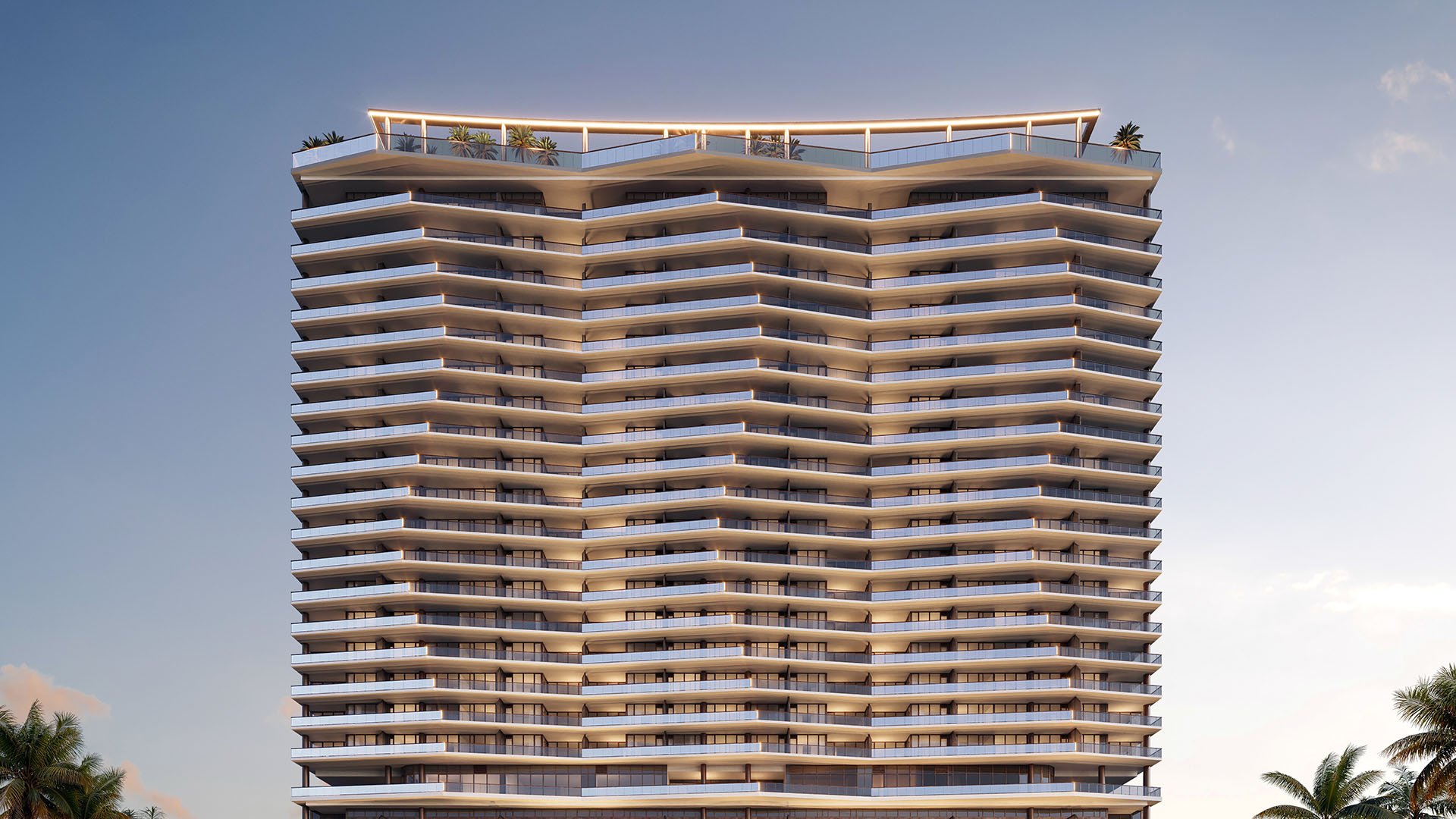
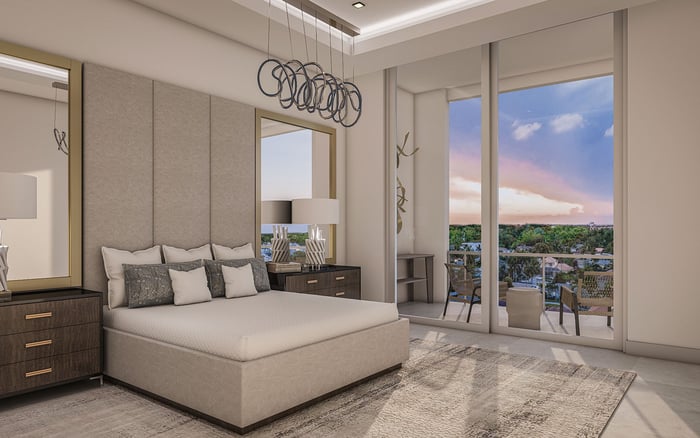
At The Berkeley Palm Beach, floor-to-ceiling windows are central to the residential proposition, framing views of Clear Lake, the Intracoastal Waterway, and the city skyline. For a discerning buyer, that architectural appeal deserves an equally precise ownership plan: what happens if a panel breaks, an insulated-glass seal fails, or a sliding door requires attention?
The condominium is in pre-construction, with delivery scheduled for 2028 but not guaranteed. Depictions of windows, doors, layouts, materials, and specifications remain subject to change. Buyers should distinguish the residence they are considering from the final glazing system and the documents that will govern its care.
The essential distinction is simple: general warranty language does not establish component-specific protection. The Berkeley’s actual window-wall warranty durations, a guaranteed replacement timeline, and special-order cost allocation are not established here. That uncertainty calls for written clarification-not an assumption that coverage is absent or comprehensive.
The strongest purchase diligence moves beyond finishes to the documents that define ownership. Request the developer warranty booklet, manufacturer warranties, window and sliding-door schedule, glazing specifications, and relevant Declaration of Condominium provisions. Together, these should help establish what is being supplied, who stands behind it, and who handles a claim.
Ask for the schedule applicable to the residence under consideration, rather than treating a general description as a final specification. The exact glazing specification for every residence is not established here; request confirmation of the applicable impact-resistance and building-code requirements.
A comparison with Alba West Palm Beach should follow the same discipline: request each property’s own documents and evaluate the answers separately. Neither an appealing presentation nor another building’s warranty terms can resolve The Berkeley’s obligations.
Before commitment, ask which specifications remain provisional and how changes will be documented. Retain the applicable written materials so that later discussions concern an identifiable product and warranty, rather than a remembered sales conversation.
A window-wall system should not be evaluated as a single warranty line. Ask separately about frames, sliding doors, insulated-glass seals, laminated glass, hardware, finishes, and installation labor. Warranty durations for these individual categories are not established here.
Create a component-by-component record identifying the warrantor, coverage period, commencement event, exclusions, claim deadline, and remedy. Clarify whether a remedy includes materials alone or also removal, installation, and associated work. These are diligence questions, not established benefits at The Berkeley.
The type of failure matters. Accidental breakage, seal failure, delamination, finish deterioration, hardware malfunction, and water intrusion should each receive a separate answer. Do not assume that protection for one condition extends to another, or that an impact-resistant designation promises payment for damaged glass.
Finally, identify the claim recipient and escalation procedure. A written warranty is more useful when the buyer also knows whom to notify, what documentation to retain, and which deadlines govern the request.
No guaranteed glass-replacement lead time is established here for The Berkeley. A buyer should not turn that uncertainty into an expectation that a damaged panel can be replaced within a particular number of weeks.
Request two written replacement estimates: one for a broken panel and another for a failed insulated-glass unit. Each should identify whether the proposed replacement is stock, semi-custom, or special-order. Ask who measures the opening, confirms the specification, places the order, and approves installation.
Have each estimate distinguish fabrication, freight, approval, and installation scheduling. Ask whether the stated timing is an estimate or a commitment, what could change it, and whether emergency protection is addressed separately. None of those answers should be presumed from a general new-construction warranty statement.
For buyers also considering Mr. C Residences West Palm Beach, use the same questions without importing one project’s answers into the other. Comparable diligence is valuable; assumed equivalence is not.
Replacement planning should account for the work surrounding a panel, not simply the panel’s price. Coverage for custom fabrication, freight, access equipment, temporary protection, and interior restoration is not established here.
Ask for a written allocation of each potential expense. Who pays for measurement, fabrication, delivery, permits, access equipment, removal, installation, waterproofing, and interior repairs? Who authorizes emergency protection while a replacement is pending? Which costs, if any, remain the owner’s responsibility even when the underlying defect qualifies for warranty relief?
Ask how a proposed replacement will be checked against the applicable glazing specification and who approves any substitution. This is especially important while specifications remain subject to change. Seek a documented decision process rather than presume that every future replacement will be readily available.
The objective is not to predict a special-order problem. It is to understand the financial and operational boundaries before a problem requires an urgent decision.
Florida law establishes statutory condominium warranties. Those protections must be distinguished from developer contractual warranties and manufacturer warranties; they are not interchangeable descriptions of the same coverage.
The statutory framework includes one-year coverage for certain other improvements and materials. That provision should not be presented as a blanket one-year warranty for every window-wall component. A Florida condominium attorney can help assess the applicable provisions without reducing the analysis to a single headline duration.
Statutory warranty protection is conditioned on routine maintenance being performed, except where maintenance is the obligation of the developer or a developer-controlled association. Request written maintenance instructions and clarify who must perform and document each task.
The declaration also deserves close attention. Confirm who maintains the glass, frames, doors, and associated waterproofing, who approves contractors, and whether owner alterations are restricted. The allocation of The Berkeley’s window-repair responsibility is not established here; it must be resolved through the project’s governing documents.
Second-home planning should include a practical response arrangement for damage discovered while the owner is away. Ask who can report the issue, authorize protection, coordinate approved access, and preserve claim documentation. These are proposed planning steps, not stated project services.
Resale planning requires equal care. Florida’s statutory warranty provisions extend stated protections to successor owners, but contractual and manufacturer transfer procedures should be confirmed separately. Ask about registration, required notices, and applicable deadlines rather than assuming every warranty follows title automatically.
Whether evaluating The Berkeley or Forté on Flagler West Palm Beach, keep a residence-specific file of specifications, warranties, maintenance instructions, and responsibility allocations. The aim is a purchase decision supported by clear obligations, not simply an impressive view.
For a discreet perspective on South Florida residential purchase planning, explore MILLION.
If branded residences are on your mind — as a home or as an allocation — we would be glad to share what we are seeing, privately.
Begin a quiet conversationDelivery is scheduled for 2028. That schedule is not a guaranteed completion date.
Warranty durations for individual window-wall components are not established here. Request the developer and manufacturer warranty documents.
An exact glazing specification for each residence is not established here. Request the applicable window and sliding-door schedule.
No guaranteed glass-replacement lead time is established here. Obtain written estimates rather than assuming replacement within a particular number of weeks.
Request separate estimates for a broken panel and a failed insulated-glass unit. Each should identify whether the replacement is stock, semi-custom, or special-order.
Coverage for custom fabrication, freight, access equipment, temporary protection, and interior restoration is not established here. Ask for a written allocation of those expenses.
A blanket one-year warranty for every window-wall component should not be inferred from Florida’s statutory condominium warranties. The one-year provision covers certain other improvements and materials, requiring a component-specific assessment.
Statutory warranty protection is conditioned on routine maintenance being performed, except where maintenance is the developer’s or a developer-controlled association’s obligation. Clarify duties and retain maintenance records.
The Berkeley’s allocation of window-repair responsibility is not established here. Review the declaration and applicable warranties to clarify maintenance, approvals, and payment duties.
Florida’s statutory provisions extend stated protections to successor owners. Confirm contractual and manufacturer transfer procedures separately, including any registration or notice requirements.