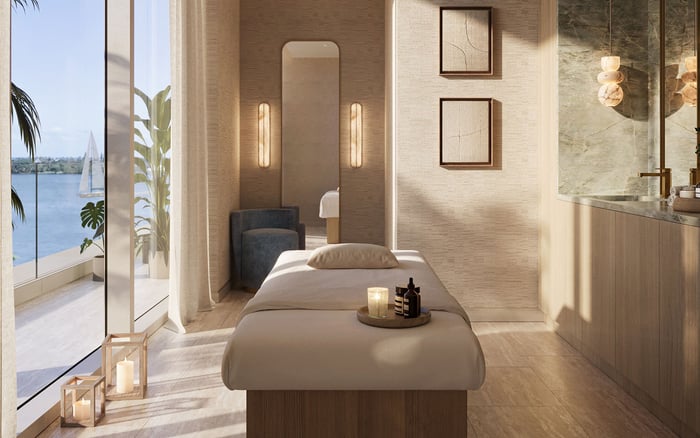
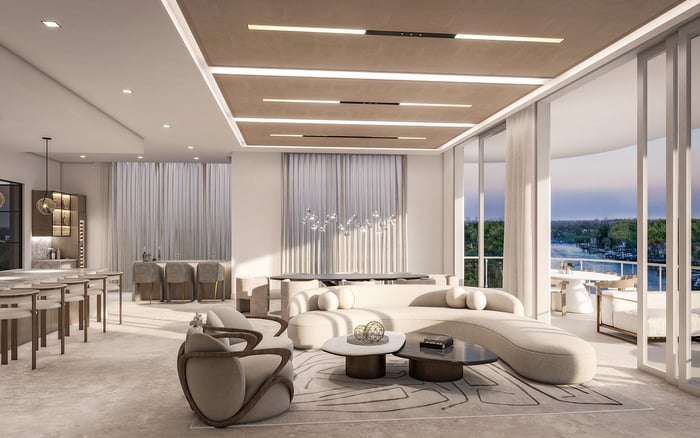
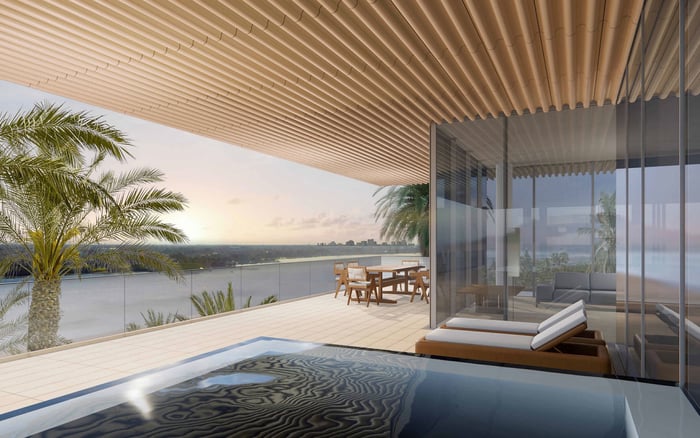
Shorecrest’s planned private dining room and catering kitchen offer an appealing setting for residential entertaining. Buyers should distinguish that advertised infrastructure from confirmed booking rights, vendor access, and guest limits before making it part of a purchase decision.
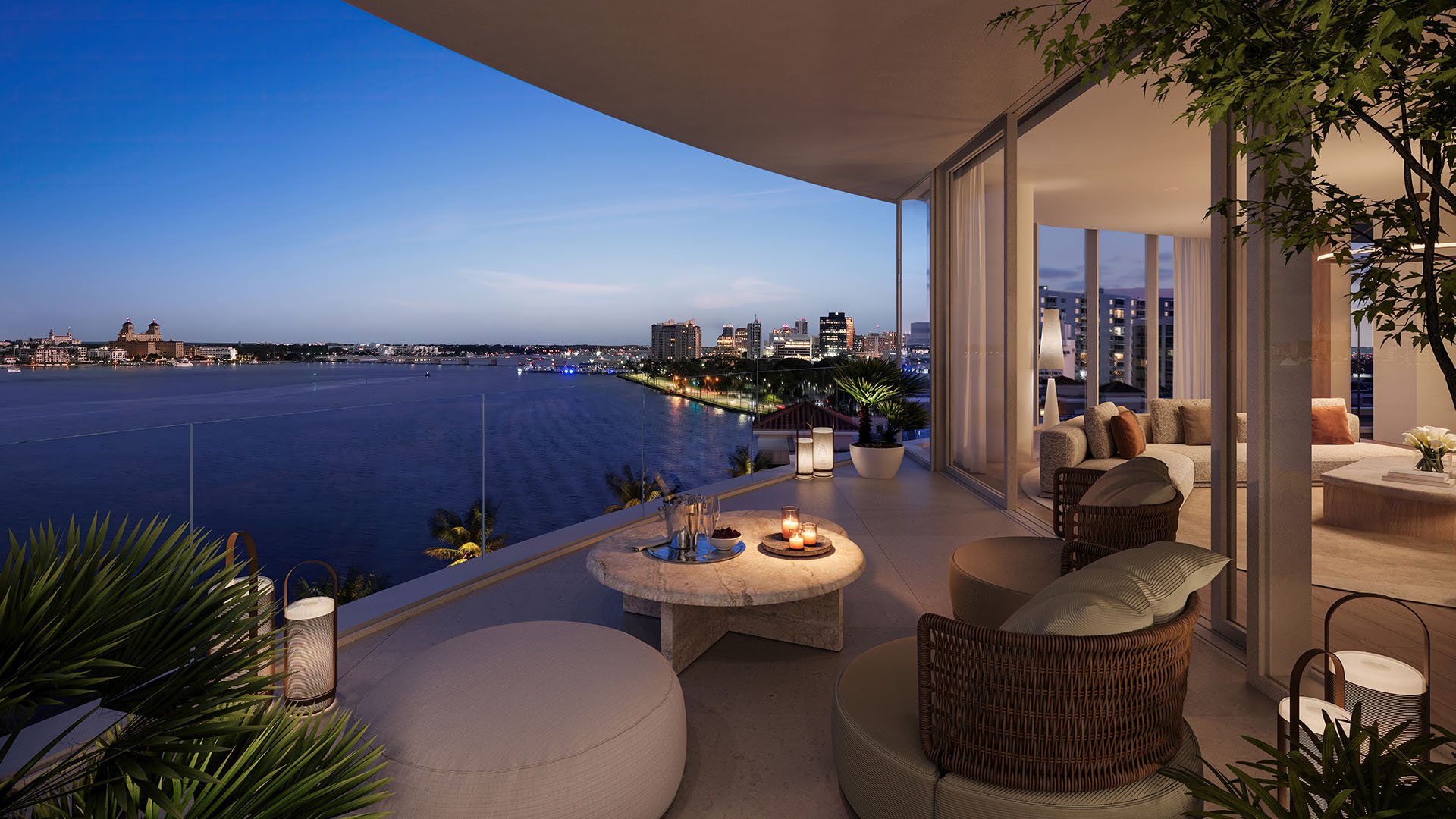
For a buyer who enjoys hosting, a private dining room can feel like an extension of the residence: a place to gather friends without rearranging the home for an evening. At Shorecrest Flagler Drive West Palm Beach, the planned entertaining amenities bring that possibility into the purchase conversation. The waterfront condominium on North Flagler Drive pairs private dining with a dedicated catering kitchen and a cocktail lounge with an outdoor terrace.
The essential distinction is between an advertised space and a confirmed right to use it in a particular way. The private dining room’s maximum guest count, reservation procedure, and catering-access rules remain unconfirmed. That establishes neither unrestricted use nor a prohibition. Buyers should make their intended style of entertaining an explicit due-diligence question.
For purchase planning, the most useful question is not simply whether there is a dining room. It is whether the permitted use will accommodate the evenings a buyer wants to host.
The planned private dining room sits on the eighth-floor club level, alongside a dedicated catering kitchen. A cocktail lounge with an outdoor terrace adds another planned social setting. These are residential amenities, not confirmation of a banquet operation or permission for large private functions.
Approximately 18,355 square feet of resident amenities are planned overall. That figure should not be used to infer the dining room’s dimensions or capacity. Other planned shared spaces include a game lounge, café, coworking facilities, and executive meeting spaces. The overall amenity total is not an event-space measurement.
Begin by requesting the current layout and written use policy for each relevant room. Confirm whether a dining reservation covers only the dining room, whether kitchen access is included, and whether adjacent spaces remain available to other residents. The label “private dining” should not be read as a promise of exclusive access to the surrounding club level.
A full-time concierge and an on-site Lifestyle Director are planned, with services that include restaurant reservations and on-site event planning. Those services suggest support for residents, but they do not establish who accepts private-dining requests or who has authority to approve them.
Reservation lead times, booking windows, priority rules, and the required booking channel remain unconfirmed. Ask whether requests go through the concierge, management, the Lifestyle Director, or another designated system. Obtain written clarification of when a request becomes a confirmed reservation.
Financial and scheduling questions deserve equal attention:
Confirm whether booking fees, deposits, cleaning charges, or damage charges apply.
Ask about cancellation deadlines, refunds, and changes to the guest count.
Clarify holiday access, competing requests, and any limits on repeat reservations.
Establish whether setup and breakdown must fit within the reserved period.
For a buyer also considering Alba West Palm Beach, the comparison should follow the same questions rather than presume identical policies. The useful measure is documented access, not an attractive amenity name.
A dedicated catering kitchen is an important component of Shorecrest’s planned club level. It does not, by itself, confirm that residents may bring any chef or caterer they choose, prepare food themselves, or use the kitchen without supervision.
Approved caterers, vendor licensing or insurance requirements, delivery procedures, and staffing rules remain unconfirmed. Buyers should describe their preferred catering arrangement and request a direct written response. A plated dinner, a delivered meal, and food prepared on site should not be assumed to receive the same treatment.
Ask what kitchen equipment vendors may use, whether cooking is permitted or only finishing and service, and who is responsible for cleaning. Confirm whether building staff provide event support or whether the host must arrange it separately.
Then follow the service route: vendor arrival, loading access, elevator scheduling, equipment movement, food storage, and waste removal. These are questions to resolve, not established Shorecrest restrictions. Resolving them before purchase helps distinguish a convenient hosting arrangement from one that may not suit the buyer’s preferred caterer.
The private dining room’s maximum guest count remains unconfirmed. Buyers should not estimate permitted attendance from renderings, furniture arrangements, or the development’s total amenity area.
Request the occupancy limit for the intended setup and clarify whether staff and vendors count toward it. Separately, ask whether there is a nonresident guest allowance, a per-resident cap, or a requirement that the host remain present throughout the gathering. Nonresident approval requirements and per-resident guest limits remain unconfirmed.
Duration and conduct also remain purchase-planning questions. Obtain the rules for guest registration, alcohol, amplified music, quiet hours, and event end times. None of these policies is confirmed.
For households also weighing Forté on Flagler West Palm Beach, a consistent written event brief can make comparisons more useful. State the intended attendance, catering format, hours, and desired spaces, then evaluate each property’s response independently.
The cocktail lounge’s outdoor terrace may appeal to buyers planning an evening that moves between indoors and outdoors. A private-dining reservation, however, should not be assumed to include terrace access or exclusive use of the lounge. Ask whether these areas can be combined and whether separate approvals or occupancy limits apply.
The planned rooftop includes a swimming pool, lounge chairs, dining tables, and a grill area. The inclusion of dining tables and grills does not establish a right to reserve the rooftop for an exclusive private event.
If outdoor hosting matters, request clarification on reservations, shared access, weather-related changes, and any differences between dining-room and rooftop rules. Treat each setting as a separate use question until written policies connect them.
Planned resident programming at Shorecrest includes cooking demonstrations, sommelier events, and workout classes. Organized programming and privately hosted gatherings are distinct; access to one does not establish booking rights for the other.
Before relying on entertaining amenities in a purchase decision, request the current declaration, association rules, amenity-use policies, and house rules. Ask which provisions are finalized and which remain subject to later association adoption. Have your advisers review how the written terms address the uses most important to you.
The objective is clarity, not maximum event capacity. A well-defined dining arrangement may be more valuable to a household than a larger space with uncertain access. Match the planned setting to confirmed permissions, practical catering logistics, and the scale of hospitality you intend to enjoy.
For a discreet perspective on matching South Florida residences to your lifestyle priorities, explore MILLION.
If branded residences are on your mind — as a home or as an allocation — we would be glad to share what we are seeing, privately.
Begin a quiet conversationThe planned private dining room is on the eighth-floor club level. That level also includes a dedicated catering kitchen.
The booking channel and reservation procedure remain unconfirmed. Buyers should obtain written confirmation of who handles requests and when reservations become confirmed.
The private dining room’s maximum guest count remains unconfirmed. Request the limit for your intended setup and clarify whether vendors and staff are included.
The catering kitchen is planned, but permission to use outside caterers is not established. Confirm vendor approval, insurance, licensing, staffing, and access requirements.
Permission for residents to prepare food in the kitchen remains unconfirmed. Ask which activities and equipment are permitted and whether supervision is required.
On-site event planning is among the planned Lifestyle Director services, but a private-dining booking role is not confirmed. Ask who has authority to approve reservations.
Booking fees and cleaning deposits remain unconfirmed. Request written terms covering fees, deposits, cleaning, cancellations, and damage responsibility.
Nonresident guest approval requirements and per-resident guest limits remain unconfirmed. Confirm the applicable policy before relying on the space for outside guests.
Rooftop dining tables and a grill area are planned, but exclusive private-event rights are not established. Rooftop and terrace permissions should be confirmed separately from dining-room access.
Request the current declaration, association rules, amenity-use policies, and house rules. Ask which event provisions are finalized and which remain subject to later association adoption.