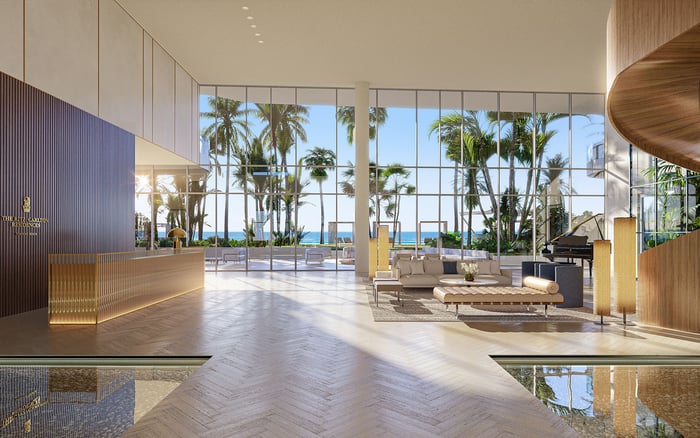
A buyer’s framework for documenting leak-detection coverage, automatic shutoff controls, emergency access, and water-damage responsibilities at Armani/Casa Residences Pompano Beach.
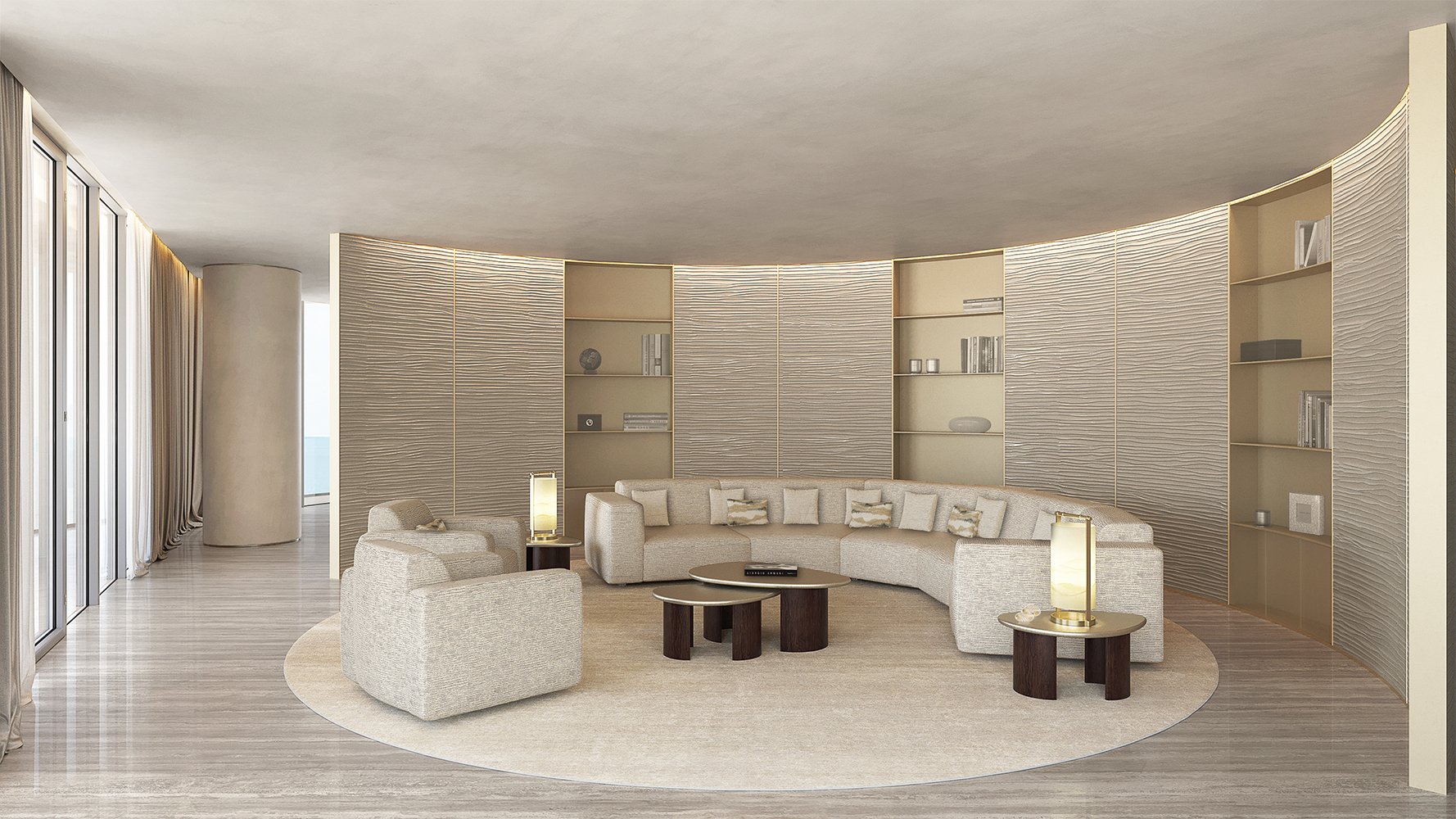
At Armani Casa Residences Pompano Beach, the purchase conversation extends beyond finishes and views to the systems intended to protect them.
Whole-unit leak detection and automatic domestic-water shutoff are not confirmed by the material supplied for this review. That is not evidence that the equipment is absent. The manufacturer, sensor and valve locations, and operating logic remain unconfirmed here.
For a buyer, the objective is straightforward: establish what is included, what activates automatically, and who responds when the owner is away. Treat these as purchase-document questions, not assumptions attached to a luxury address.
Begin with a written equipment schedule. Request final plumbing and low-voltage plans, manufacturer and model information, sensor and valve locations, and the monitoring arrangement. Confirm in writing whether protection is included in the purchase price, offered as an upgrade, or left to the buyer to install. This review does not establish its status.
Review detection and shutoff separately. Ask whether every alarm closes a valve or whether some devices only send notifications. Have the project team identify precisely which water supplies each valve controls and which locations or sources fall outside that scope.
The review should address kitchens, laundry, bathrooms, water heaters, HVAC condensate areas, and wet bars where applicable. For each location, request a clear sequence: what is detected, who receives the alert, what closes, and what still requires intervention. The phrase whole-unit is no substitute for this location-by-location explanation.
A buyer also considering The Ritz-Carlton Residences® Pompano Beach should apply the same documentation standard, without assuming equivalent equipment or response obligations across projects.
A system specification is only part of the decision. Establish who owns each valve, who can access it, and who has authority to operate it. Ask how manual override works and who may reset the system after an alarm. These are questions to resolve, not confirmed Armani/Casa operating features.
Request written explanations of how the system behaves during power and internet outages, along with details of battery backup and remote notifications. Identify responsibility for subscriptions, routine maintenance, testing, and eventual replacement. If the system relies on an owner account, clarify how credentials are transferred and how management receives any required access.
For an intermittently occupied residence, ask who receives an unanswered alert and what escalation follows. Do not infer a contractual obligation to monitor water alarms or dispatch mitigation contractors from a general security or concierge service description. Seek a specific response protocol.
Have counsel determine how promised equipment should be described in the purchase documents. The description should identify the included system and its agreed coverage, rather than rely on a general reference to smart-home technology.
Discuss closing deliverables before they become a handover dispute. Recommended items include commissioning records, an operating demonstration, warranty information, account credentials, and written maintenance instructions. Request a test demonstrating the agreed relationship between an alarm, its notifications, and any automatic valve action.
Counsel should also address remedies if promised equipment is missing or nonfunctional, along with responsibility for correcting deficiencies. These are proposed protections to negotiate, not established project commitments. A useful closing package should give the owner and designated representative a clear understanding of normal operation and the steps required after a fault or shutoff.
No project-specific binding damage-response contract is confirmed in this review. Request any available association or management response agreement and identify the parties obligated to act. A service description and an enforceable response obligation are not interchangeable.
Review emergency mitigation separately from permanent restoration. Mitigation addresses stopping the source and drying affected areas; restoration concerns repair and replacement. Ask for the agreement to specify after-hours contacts, entry authority, contractor access, drying procedures, and incident documentation. Clarify who can authorize urgent work when the owner cannot be reached.
Have Florida condominium counsel explain applicable association access rights for common-element maintenance and emergency repairs, including how those rights interact with the building’s entry arrangements and the owner’s designated contacts.
Emergency response and final cost allocation are separate questions. Request a protocol that permits timely, authorized mitigation while preserving documentation for later claims and allocation decisions. Address how urgent work can proceed while insurers and the parties review payment responsibility.
Ask counsel to identify which common elements, building systems, and interior components the association must maintain or repair under applicable Florida law and the governing documents. Have an insurance adviser distinguish the property covered by the association’s master policy from items requiring owner coverage.
Review responsibility for reconstruction after an insured loss, including applicable exclusions, deductibles, and exceptions. Do not assume every wet finish, furnishing, or improvement falls under the same policy or repair obligation.
Have counsel assess responsibility by damaged component, applicable coverage, and the circumstances of the loss rather than treating the unit or pipe where the leak began as the sole deciding factor. Ask how negligence or intentional conduct could affect that analysis.
Review available governing documents, master-policy terms, deductibles, and response-vendor agreements together. Obtain an HO-6 quotation addressing water damage, improvements, contents, loss assessments, temporary accommodation, and liability. Seek written explanations of relevant exclusions and obligations rather than assume comprehensive water-loss coverage.
Across Broward, a disciplined comparison should examine operating responsibilities alongside design and service. If Rosewood Residences Hillsboro Beach is also on the shortlist, request the same equipment schedules, emergency protocols, and insurance documents. This is a comparison framework, not a claim that either development provides identical protection.
At Armani/Casa, the purchase objective is clarity: a defined equipment scope, demonstrated operation, named response responsibilities, and coordinated legal and insurance review. Explicit commitments serve luxury ownership better than an impressive but undefined promise of protection.
For a considered approach to South Florida residential purchases, explore MILLION.
If branded residences are on your mind — as a home or as an allocation — we would be glad to share what we are seeing, privately.
Begin a quiet conversationThe material supplied for this review does not confirm whole-unit leak detection. This does not establish that the equipment is absent.
Automatic domestic-water shutoff is not confirmed in this review. Request written specifications identifying valve locations, controlled supplies, and activation logic.
Its status as standard equipment, an upgrade, or a buyer-installed system is not established here. Obtain written confirmation of the included scope.
Ask about kitchens, laundry, bathrooms, water heaters, HVAC condensate areas, and wet bars where applicable. Request an explanation of detection and shutoff coverage for each location.
That operating relationship is not established for this project in this review. Ask which alarms trigger shutoff and which only send notifications.
Recommended deliverables include commissioning records, an operating demonstration, credentials, warranties, and maintenance instructions. Have counsel address remedies for missing or nonfunctional promised equipment.
Do not infer water-alarm monitoring or mitigation obligations from a general concierge service description. Request a written protocol identifying responsible parties and escalation steps.
No project-specific binding damage-response contract is confirmed in this review. Request available agreements and review emergency entry, after-hours contacts, contractor access, and authorization for urgent work.
Have counsel review the damaged components, coverage, governing documents, and circumstances rather than assume the leak’s origin alone determines liability. Ask how negligence or intentional conduct could affect responsibility.
Request a protocol permitting timely, authorized mitigation while preserving claims documentation. Address emergency mitigation separately from permanent restoration and final cost allocation.