In a South Florida luxury condominium, quiet should be evaluated as carefully as layout and finishes. Buyers should review acoustic separation, service circulation, commercial uses, loading activity and mechanical vibration before committing to a residence.
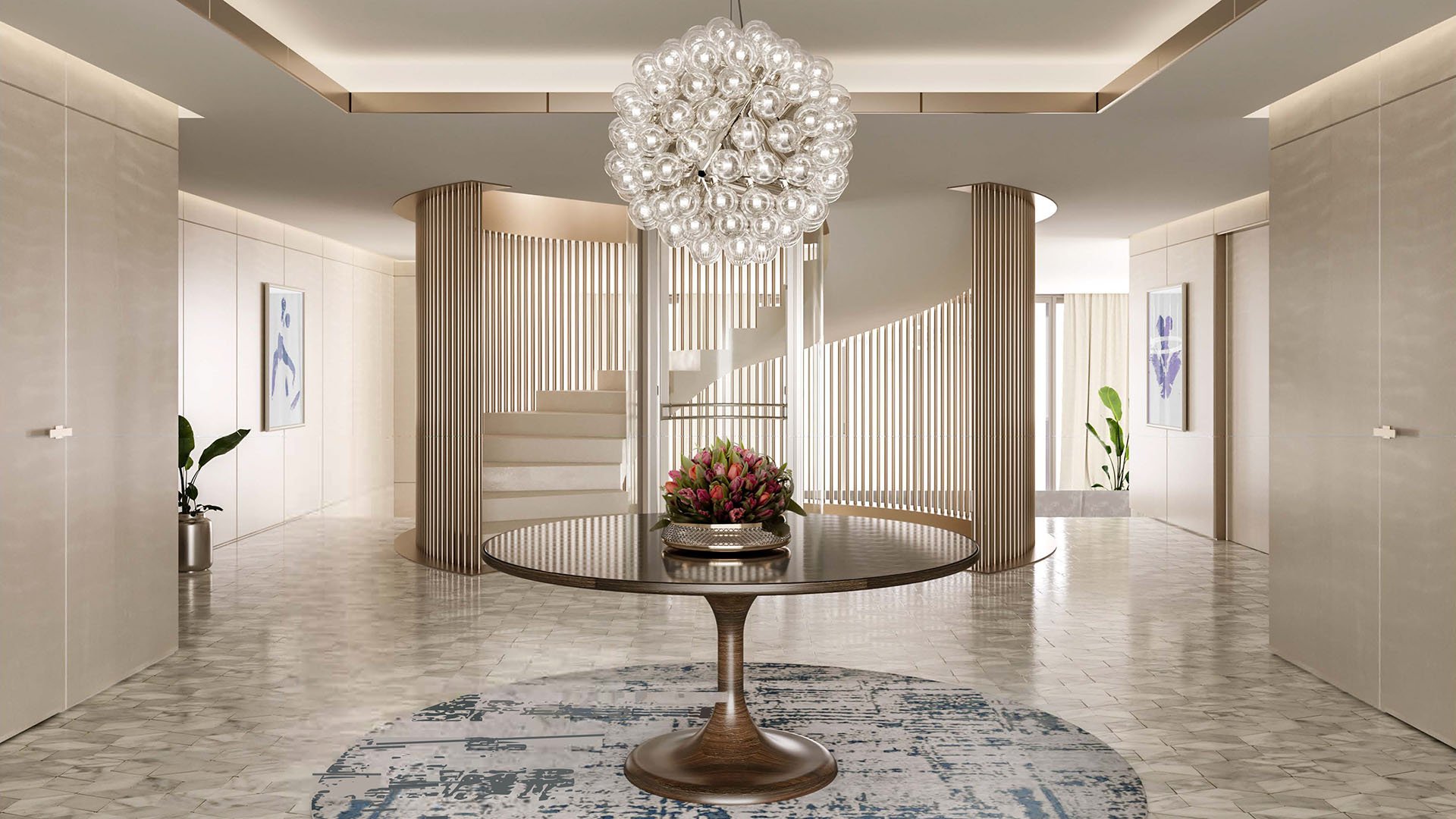
In South Florida luxury real estate, privacy is often framed visually: a private elevator vestibule, discreet arrival sequence, deep terrace or carefully screened primary suite. Acoustic privacy deserves equal consideration. A residence may appear serene during a scheduled showing yet feel different when service elevators are moving, a restaurant is preparing for dinner, rooftop equipment is operating or deliveries are arriving at the loading dock.
For an Investment measured in both capital and quality of life, quiet should be treated as a performance characteristic rather than an assumed benefit of premium finishes. Potential concerns can include sound transfer between residences, impact noise from footsteps, amplified music, mechanical noise and vibration. These conditions cannot be judged reliably from stone, millwork or brand presentation alone.
The most revealing acoustic condition may occur outside the scheduled showing window.
This is especially relevant in dense urban and mixed-use settings. Buyers comparing The Residences at 1428 Brickell with other Brickell options should evaluate the specific stack, floor and adjacencies of each residence rather than draw conclusions from the neighborhood or building category.
Begin with the unit plan, then expand the review to the floor plate and building section. Locate passenger- and service-elevator shafts, elevator lobbies, refuse rooms, service corridors, mechanical rooms, stairs and housekeeping or storage areas. Consider whether quiet rooms share boundaries with active service zones or benefit from intervening closets, bathrooms and other spaces.
Ask for available information about the wall and floor assemblies separating the residence from neighboring units and common areas. Buyers can also ask a qualified acoustic professional to explain any stated airborne- or impact-sound ratings and assess whether the available documentation applies to the specific residence. Penetrations, junctions, doors and installation conditions deserve attention during that review.
In a completed residence, an on-site acoustic assessment may help investigate noise or vibration that drawings and marketing materials do not reveal. The review can consider both directly audible sound and vibration perceived within the home.
A service-elevator review should extend beyond the elevator car. Buyers should consider doors, alerts, carts, corridor conversations, housekeeping movement and repeated stops. Proximity matters, but so do intervening spaces and operating patterns. Two residences within the same building may therefore warrant separate evaluations.
Observe the area during a genuinely active period. Stand inside the quietest rooms and listen near walls, doors and floor junctions. Ask how staff, vendors, move-ins, waste and room-service functions circulate, particularly where hospitality or frequent guest activity shapes the operating environment.
At The Ritz-Carlton Residences® South Beach or another Miami Beach residence with layered service operations, the inquiry should be precise: how does this home relate to the actual service path? Plans, observation and professional review can provide more useful guidance than inference.
Commercial
space can enrich a luxury address, but retail, restaurants and nightlife may introduce distinct operating rhythms. Relevant questions include what occupies the space, what future uses may be allowed, where speakers and kitchen equipment are positioned, how exhaust systems are routed, and how commercial and residential areas are separated.
The inquiry should extend beyond music. Ask about kitchen fans, cooling equipment, air-conditioning systems and other machinery near the selected residence. A buyer should not limit the review to whether sound or vibration is noticeable during a single visit.
In Coconut Grove, residences such as Ziggurat Coconut Grove can prompt buyers to consider how residential calm and an active setting intersect at the level of the chosen home. This is where Design & Architecture analysis becomes practical. The value lies in reviewing separation, orientation, equipment placement and circulation rather than relying on broad assumptions about mixed-use living.
Loading areas can concentrate deliveries, carts, gates, crates, waste handling and staff communication. The important variables include route, schedule, enclosure and proximity to the residence. Ask where vehicles enter, when deliveries arrive, how refuse leaves, and which facades or terraces face the operation.
Applicable rules, approvals and operating conditions should be reviewed for the precise South Florida jurisdiction and property. Compliance and a buyer's preferred living experience are separate considerations, so legal review should not replace direct observation and property-specific diligence.
A polished midday tour offers only a snapshot. When access permits, return during relevant delivery windows, waste removal, evening activity and periods when building systems are operating. Spend time in the primary bedroom, study and terrace with conversation paused. Note recurring cycles, tonal hum, vibration and impact events rather than focusing solely on overall loudness.
The same discipline applies beyond the urban core. When considering waterfront options such as W Pompano Beach Hotel & Residences, buyers should map the operational adjacencies of the individual residence. Ocean views, height and expansive glazing do not answer questions about equipment, service circulation or neighboring uses.
For Buyer's Guides, the practical principle is to investigate conditions when each relevant system and tenant is active. Request available floor plans and building sections, identify present and potential commercial uses, review governing documents and applicable local requirements, and consider an acoustic consultant's site assessment when quiet is a purchase priority.
Acoustic findings can inform unit selection, contract diligence, requests for further testing and the buyer's understanding of possible alteration needs. They can also help distinguish a tolerable sound from a recurring condition likely to compromise sleep, concentration or discretion. The objective is not absolute silence, but an informed match between the building's operations and the buyer's expectations.
Before committing to a South Florida residence, engage qualified legal, engineering and acoustic professionals as appropriate, and let the specific home-not the brochure-answer the question of quiet.
For discreet guidance on South Florida luxury residences, connect with MILLION.
If branded residences are on your mind — as a home or as an allocation — we would be glad to share what we are seeing, privately.
Begin a quiet conversationNoise or vibration may go unnoticed during a brief showing. Early review can inform unit selection, further testing and negotiation.
Review the shaft, doors, alerts, service corridors, refuse rooms and cart routes. Observe the residence while service activity is underway.
The plan can reveal how bedrooms and living spaces relate to elevators, corridors, mechanical rooms and other active areas.
Yes. Floor, stack, orientation, adjoining spaces and service routes can differ, so each residence deserves a separate review.
Restaurants, retail and nightlife may bring music, equipment, exhaust systems, deliveries and operating schedules near residences.
Buyers can ask about kitchen fans, cooling equipment, air-conditioning systems and other machinery near the selected home.
Visit during relevant deliveries, waste removal and other active operating periods rather than relying only on a quiet midday tour.
No. Compliance and a buyer's preferred acoustic experience are separate considerations.
Available unit plans, floor plates, building sections, governing documents and operating information can help identify issues for further investigation.
A consultant may be useful when quiet is a priority or when plans and showings cannot resolve concerns about noise or vibration.