In a North Bay Village condominium purchase, premium finishes and statutory warranties matter only when the contract, inspection record, and claims process preserve the buyer’s position. Early review should define substitutions, delivery standards, punch-list completion, warranty documentation, and defect-notice procedures before leverage narrows.
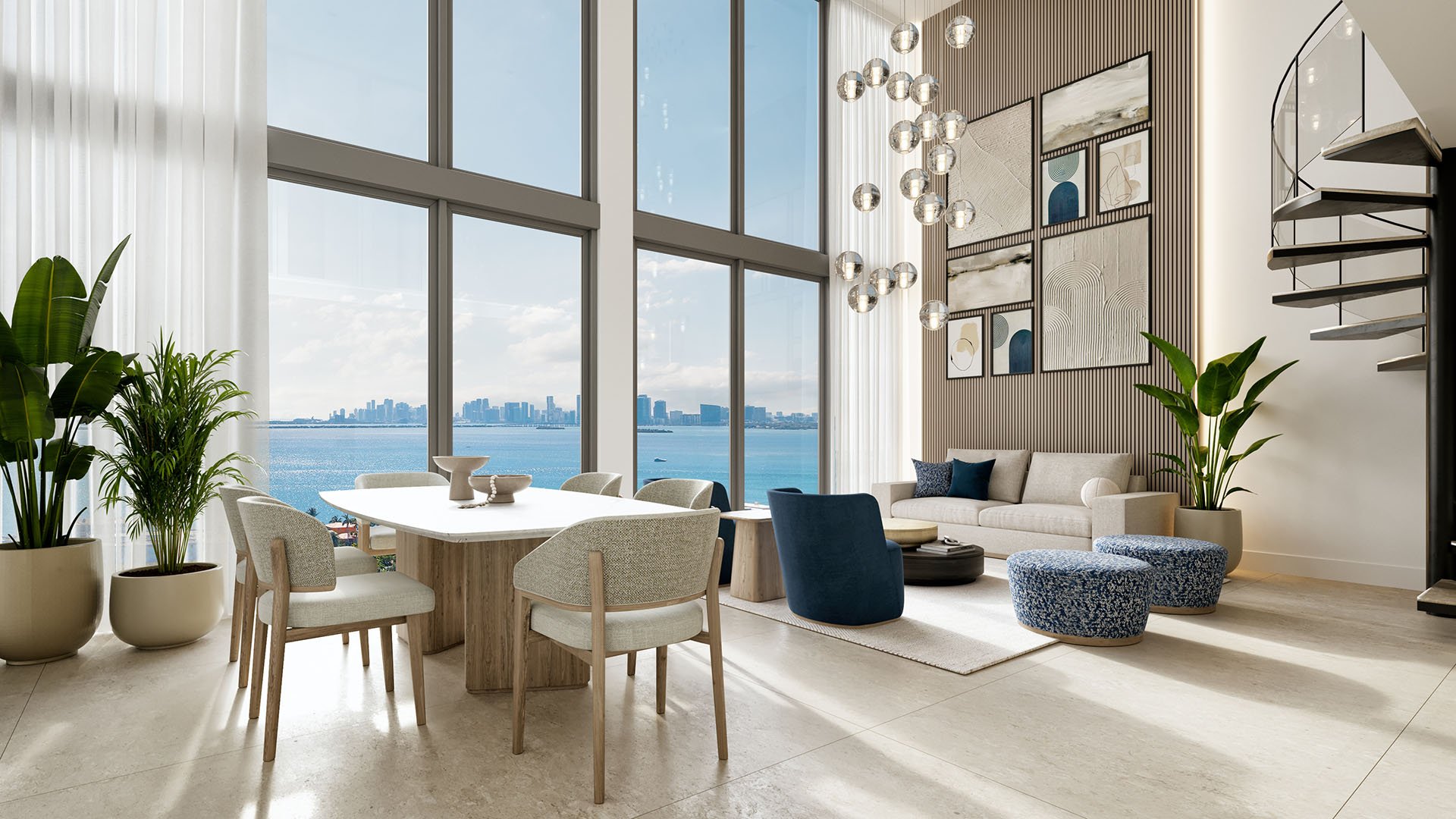
In a luxury condominium purchase, the difference between an elegant promise and an enforceable delivery standard often lies in the agreement’s definitions, exhibits, and remedies. Florida condominium and construction-defect statutes establish important baseline protections, but the purchase contract determines many buyer-specific rights concerning finish substitutions, inspections, incomplete work, and recourse.
That distinction is especially relevant in North Bay Village, where buyers may evaluate residences well before completion. Whether an opportunity is described as pre-construction or new construction, counsel should review the operative agreement, disclosure package, plans, specifications, and amendment rights as a coordinated set of documents. Marketing imagery may express the design intent, but the contract establishes what must actually be delivered.
Luxury protection begins by converting design intent into measurable contractual obligations.
That review should occur before signing, not shortly before closing. Once deposits have been paid and contractual review periods have expired, the buyer’s negotiating position may narrow.
Effective substitution provisions require prior written acceptance before specified materials or equipment may be changed. They should also require sufficient documentation to evaluate the proposed substitution, address any price adjustment, and make clear that approval does not excuse other quality or performance obligations.
Any variation from the specifications, including substituted products or methods, should be identified and fully explained. The private buyer’s lesson is straightforward: these controls must appear expressly in the purchase agreement if they are to protect the residence.
For premium finishes, broad phrases such as “designer selected” or “comparable quality” may leave too much room for interpretation. Where possible, the specification schedule should identify the manufacturer, model, grade, dimensions, color, finish, and SKU. The agreement should also answer four practical questions:
Who decides whether a substitute is equivalent?
Must the buyer provide written consent?
What technical or visual documentation must accompany the request?
Does a lower-cost or materially different substitute create a credit, termination right, or other remedy?
These questions belong in the early review of opportunities such as Continuum Club & Residences North Bay Village, Shoma Bay North Bay Village, and Pagani North Bay Village. The links offer a starting point for project exploration; the signed documents control each buyer’s legal and delivery position.
A punch list should be more than a walkthrough ritual. It should measure the completed residence against the plans, purchase specifications, and agreed standard of workmanship. A detailed pre-closing inspection can test fixtures and systems, document deficiencies room by room, include photographs, and secure the developer’s written acknowledgment.
The contract should state whether closing may proceed with unfinished items, who determines whether an item is complete, and how quickly accepted deficiencies must be corrected. Buyers should also examine whether the agreement treats closing, occupancy, or acceptance of the deed as a waiver of visible defects.
Observable punch-list items and latent defects require separate treatment. A misaligned cabinet door may be apparent during inspection; concealed water intrusion or a system deficiency may emerge later. A punch-list limitation should not be read in isolation from statutory warranties, implied warranties, contractual representations, or rights concerning latent conditions.
Before inspection, the buyer’s team should create a room-by-room protocol covering surfaces, millwork, appliances, plumbing fixtures, electrical components, doors, windows, and all items included with the unit. The objective is not aesthetic perfection without contractual support. It is a documented comparison between the promised scope and the delivered condition.
Florida law deems condominium developers to provide implied warranties of fitness and merchantability for specified units, improvements, structural components, and building systems. Because the applicable periods differ by category, buyers should build a warranty calendar rather than rely on a single assumed expiration date.
Each condominium unit carries a developer warranty for three years from completion of the building containing it. Personal property transferred with the unit is covered for the manufacturer’s warranty period, but not less than one year. Other improvements serving unit owners carry a three-year developer warranty beginning upon completion of the improvement.
Roofs, structural components, and shared mechanical, electrical, and plumbing systems receive protection for three years after completion or one year after turnover of association control, whichever is later, subject to a five-year maximum. Contractors, subcontractors, and suppliers also provide statutory warranties, including three years for specified structural and shared components and one year for other improvements and materials.
The buyer should request manufacturer warranties, required maintenance instructions, claim procedures, and contact information at or before closing. Maintenance conditions matter because an unrecorded service history can complicate a later claim. This discipline is equally relevant when considering a new North Bay Village residence or a design-led purchase in Miami Beach, such as The Perigon Miami Beach.
Florida’s Chapter 558 defines construction defects broadly enough to encompass qualifying deficiencies arising from design, specifications, supervision, or construction, including defective materials, actionable code violations, and work that fails to meet accepted standards or contractual requirements.
The process generally requires written notice before a construction-defect action is filed, giving potentially responsible parties an opportunity to inspect and respond. Unless the parties agree that Chapter 558 does not apply, qualifying written contracts for improvements to real property must contain conspicuous notice of these pre-suit procedures.
A defect notice, a warranty claim, and a court-filing deadline are distinct matters. Buyers should not assume that initiating one process automatically preserves every other right. Florida counsel can evaluate the governing documents, contract language, responsible parties, notice recipients, and applicable timing for the specific transaction.
Resale review requires a separate analysis. A resale or converter-unit seller generally is not responsible for the original developer’s statutory warranties, except for design, construction, development, or repair work performed by or for that seller. The chain of responsibility should therefore be investigated, not presumed.
A purchaser who has entered into a condominium purchase contract is entitled, at the seller’s expense, to current copies of specified condominium documents. Early diligence should extend beyond the declaration and bylaws to available financial records, association minutes, prior defect notices, repair records, warranties, and maintenance requirements.
The most useful closing file is both chronological and complete. It should contain the executed agreement and amendments, final plans and specifications, substitution approvals, inspection photographs, the acknowledged punch list, completion confirmations, warranties, manuals, and material correspondence. Dates should be recorded for building completion, improvement completion, closing, turnover, notice, inspection, and repair.
For the sophisticated buyer, this is not paperwork for its own sake. It is the architecture of accountability. Precise specifications protect design value. An objective punch list protects delivery quality. A warranty calendar protects timing. An organized claims file protects options if performance falls short.
For discreet guidance on South Florida’s finest residential opportunities, connect with MILLION.
If branded residences are on your mind — as a home or as an allocation — we would be glad to share what we are seeing, privately.
Begin a quiet conversationThe purchase agreement often determines whether a developer may change specified materials and whether buyer consent, documentation, credits, or other remedies apply.
No. They govern public projects and serve only as drafting examples; comparable controls must be included expressly in a private purchase agreement.
Where possible, identify the manufacturer, model, grade, dimensions, color, finish, and SKU, along with the approval process for any substitute.
That depends on the purchase agreement. Buyers should review whether closing is permitted, what deadlines apply, and what remedies survive closing.
It should compare the unit with plans and specifications, test fixtures and systems, document deficiencies by room with photographs, and obtain written acknowledgment.
No. Punch-list items are generally observable, while latent defects may remain concealed and appear after closing.
Florida law provides a three-year developer warranty for each unit, measured from completion of the building containing that unit.
Specified roofs, structural components, and shared systems are covered for three years after completion or one year after turnover, whichever is later, subject to a five-year maximum.
It generally requires written notice and gives potentially responsible parties an opportunity to inspect and respond before an action is filed.
Generally not, except for qualifying design, construction, development, or repair work performed by or for that resale or converter-unit seller.