Cora Merrick Park occupies a distinctive Coral Gables zoning context. Its publicly marketed three-month rental minimum offers seasonal flexibility while reducing the turnover associated with nightly or weekly stays, making governance, access control, parking, and complaint response central buyer considerations.
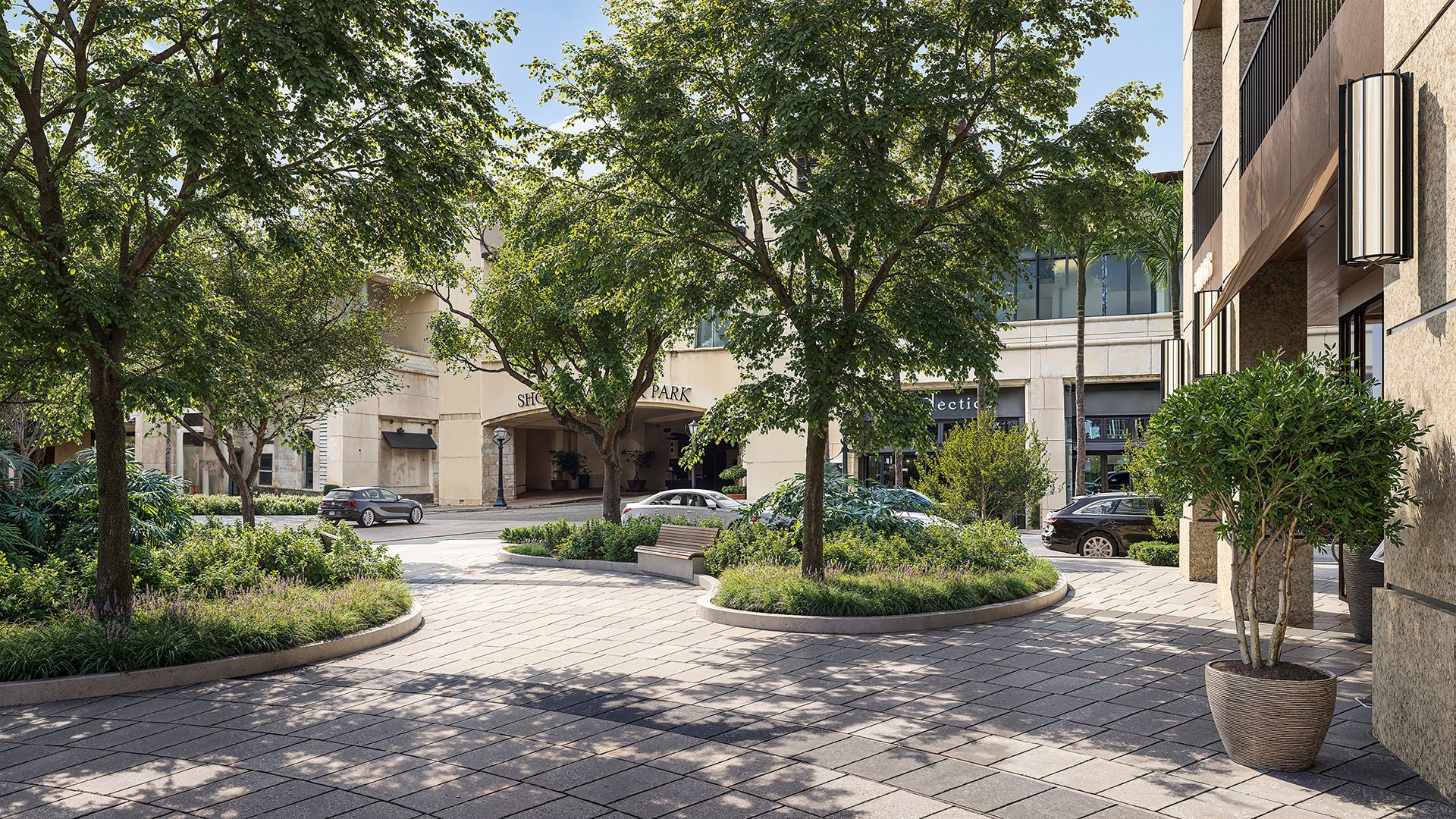
For buyers considering Cora Merrick Park, rental flexibility is not a simple choice between conventional condominium living and unrestricted transient lodging. Located at 4241 Aurora Street, the luxury condominium development offers one- to three-bedroom residences with optional dens in a mixed-use district with unusually permissive municipal rules for shorter stays.
That district context matters. Across most Coral Gables residential zoning districts, rentals of less than six months are considered short term and prohibited, apart from limited exceptions such as designated historic bed-and-breakfast establishments. Within the Merrick Park Design & Innovation District, however, multifamily units may be rented by the day, week, or month. MX1 and MX2 mixed-use zoning permits Overnight Accommodations, a category oriented toward transient guests paying daily or weekly rates.
Cora's publicly marketed terms draw a more conservative line: a three-month minimum, with rentals allowed up to four times annually. If reflected in the controlling condominium documents, those terms would permit seasonal leasing while preventing nightly and weekly guest turnover.
The crucial distinction is between what district zoning permits and what the condominium governs.
Lease duration does not determine whether an occupant will be considerate. It does, however, influence how often a building must accommodate new residents, vehicles, visitors, deliveries, access credentials, and questions about house rules.
A building that accommodates daily or weekly stays may need to repeat this process continually. A three-month minimum substantially reduces that operational cadence. Four permissible rentals per year present a different management profile from dozens of brief stays, even though both models can fall within the district's broader legal framework.
This distinction is especially relevant to owners who value privacy and predictability. Fewer arrivals can mean fewer unfamiliar faces in common areas, fewer move-in cycles, and less recurring orientation around parking and amenity use. Yet lease duration alone is not a security system. A well-run flexible building depends on clear registration, credentialing, monitoring, and enforcement; a poorly supervised long-term property can still experience disruption.
For an investment buyer, the advertised structure may offer greater adaptability than the city's typical six-month residential-zone rule without converting the building into a nightly lodging environment. For a primary- or second-home resident, the same structure raises a different question: whether the association's operating procedures are designed to preserve a composed residential atmosphere as tenants change.
Complaints commonly associated with unlawful short-term rentals elsewhere in the city include excessive noise, illegal parking, and disruptive occupants. The Merrick Park district receives different legal treatment, but permissible rental duration does not excuse disruptive conduct. Coral Gables prohibits loud, unnecessary, or unusual noise that disturbs or endangers the comfort, health, peace, or safety of others, regardless of how long an occupant has leased a home.
Because transient stays can be legal in this district, disturbances may need to be addressed through noise, parking, nuisance, and public-order rules rather than a rental-duration prohibition. Municipal enforcement can involve Code Enforcement and Police responses, citations, and nuisance-property procedures. For owners, however, the more immediate concern is often whether the condominium can respond efficiently before a situation reaches that level.
Buyers should ask who receives after-hours complaints, how quickly management responds, whether repeated violations follow a defined escalation schedule, and whether the governing documents allow fines or access restrictions. The quality of those procedures may shape everyday lifestyle more directly than the headline rental minimum.
The security tradeoff is best understood as an access-management challenge. Each new tenancy can require identity verification, vehicle registration, key or fob issuance, visitor authorization, package handling, and the eventual deactivation of credentials. A three-month minimum reduces the frequency of these events relative to nightly lodging, but it does not eliminate the need for a disciplined system.
Prospective purchasers should verify Cora's front-desk coverage, visitor registration, key-fob controls, camera coverage, package protocols, garage access, and after-hours response directly. None should be assumed from district zoning or a summary of lease terms. The provided record contains no publicly established building-specific noise complaints, crime statistics, or security incidents for Cora, so flexibility should not be treated as evidence of an existing problem.
Municipal zoning defines the outer boundary of what the city permits. The recorded declaration, bylaws, rules, leasing addenda, and association policies determine what owners may actually do within the building. Those documents should take precedence over marketing summaries, particularly if policies evolve before completion or occupancy.
A careful review should confirm the minimum lease term, annual rental frequency, approval timeline, application fees, occupancy limits, tenant screening, insurance obligations, renewal treatment, and sanctions for violations. It should also establish whether owners must provide a local contact and whether tenants receive written rules governing parties, noise, pets, parking, guests, amenities, and deliveries.
The three-month term also warrants precise interpretation. Buyers should determine whether it applies to every lease, whether extensions count as new rentals, and how the association treats overlapping bookings or owner occupancy between leases. These legal and administrative details directly affect both usability and community rhythm.
Conditional-use review may also apply to an overnight-accommodation property that directly abuts an SFR or MF1 residential district. Legal counsel should confirm how the applicable approvals, district provisions, and condominium restrictions fit together for the specific residence under consideration.
Not every buyer values the same balance. Someone seeking seasonal rental potential may regard Cora's advertised framework as a useful middle ground. Another purchaser may prioritize a community whose documents favor longer occupancy and less frequent tenant turnover.
That comparison should be made project by project, not inferred from neighborhood identity. Buyers reviewing Ponce Park Coral Gables and The Village at Coral Gables should independently examine each property's current declaration and rules rather than assume that all local developments share Cora's district permissions or advertised leasing structure.
As a new project, Cora merits particular attention to the final recorded language and the operating plan that will implement it. The strongest due diligence pairs a condominium attorney's document review with direct questions for the developer or association about staffing, access, parking, complaints, and enforcement.
Cora's potential appeal lies in calibration. Its surrounding district permits very short stays, while its advertised three-month minimum would meaningfully reduce turnover and still provide greater seasonal flexibility than the six-month threshold generally applicable in Coral Gables residential districts.
The tradeoff is not that flexible leasing necessarily creates noise or insecurity. Rather, it places greater weight on building governance. Buyers should evaluate the quality of the rules, the consistency of screening, the design of access controls, and the speed of management response. When those elements are explicit and enforceable, rental adaptability and residential composure are more capable of coexisting.
For a discreet assessment of Cora and comparable South Florida residences, consult MILLION.
If branded residences are on your mind — as a home or as an allocation — we would be glad to share what we are seeing, privately.
Begin a quiet conversationCora Merrick Park is at 4241 Aurora Street in Coral Gables, within the Merrick Park Design & Innovation District.
The development offers one- to three-bedroom residences, with optional dens.
Publicly marketed terms list a three-month minimum, with rentals permitted up to four times annually.
Yes. The district's mixed-use zoning permits Overnight Accommodations, including daily and weekly stays, subject to applicable requirements.
No. A three-month minimum would prevent nightly and weekly turnover if it is included in the controlling condominium documents.
No. Greater turnover can create different management demands, but it does not establish that a building has noise problems.
Yes. The city's prohibition on disturbing noise applies regardless of an occupant's lease duration.
Verify visitor registration, tenant screening, key-fob controls, cameras, garage access, package handling, staffing, and after-hours response.
The recorded declaration, bylaws, association rules, and leasing policies should control over marketing summaries.
No building-specific crime statistics or security incidents for Cora are established in the provided record.