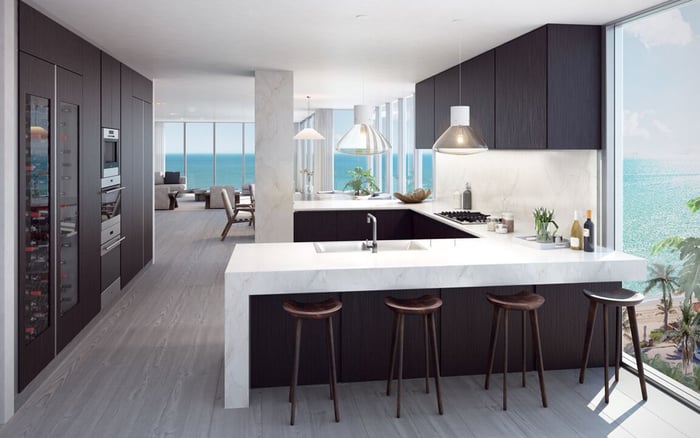
For Fort Lauderdale luxury buyers, early review of corrosion, balcony drainage, slider transitions, water-intrusion history, association records, and window warranties can help clarify a residence’s condition and potential ownership obligations.

In Fort Lauderdale, buyers of waterfront residences should give the building envelope the same attention as interior finishes. Window frames, balcony railings, sliding-door tracks, fasteners, exterior hardware, drainage components, and seals all deserve close review in a coastal setting.
A careful inspection can begin at the residence’s perimeter and consider corrosion, water management, component operation, maintenance history, and warranty documentation together. This approach is relevant when comparing established buildings, recent deliveries, and resale opportunities with different service records.
A buyer evaluating Auberge Beach Residences & Spa Fort Lauderdale or Four Seasons Hotel & Private Residences Fort Lauderdale should independently examine the specific residence, relevant common elements, available documentation, and applicable warranties rather than relying only on a property’s age, brand, or presentation.
During the walkthrough, operate accessible windows and sliding doors. Note any panel that binds, drags, resists locking, or appears misaligned, and ask a qualified inspector to assess the cause. Look for oxidation, pitting, damaged coatings, deteriorated fasteners, and visible wear around railings and exterior hardware.
Material and finish specifications should be compared with the available product documentation. An inspector familiar with coastal buildings can help distinguish surface residue from conditions that merit cleaning, refinishing, hardware replacement, or further investigation.
The review should also include exposed equipment and components assigned to the residence. Buyers can use manufacturer instructions and association requirements to determine suitable cleaning methods, inspection intervals, and maintenance responsibilities.
A balcony review should encompass slab pitch, drains, waterproofing, thresholds, slider sills, jamb sealants, and tracks. Ask the inspector to document evidence of ponding, cracks, staining, deteriorated sealant, damaged tracks, sill conditions, and visible signs of earlier repairs.
Moisture near baseboards or flooring deserves follow-up, but a visually clean interior does not replace examination of exterior transitions and available repair records. Where concerns arise, buyers can request additional evaluation before deciding how to proceed.
For buyers considering St. Regis® Residences Bahia Mar Fort Lauderdale or The Ritz-Carlton Residences® Fort Lauderdale, independent inspection and document review remain prudent regardless of delivery status, brand, or presentation.
Before closing, request complete window and door warranty documents rather than relying on a summary. Confirm the products and finishes identified in the paperwork, determine whether coverage transfers, and review any stated maintenance, inspection, installer, claim, and record-retention requirements.
Buyers should also examine exclusions, approved cleaning methods, deadlines, and the procedure for reporting a concern. If coverage depends on documented maintenance, request available service records and establish how future work should be logged.
Maintenance needs can differ by product and exposure, so the applicable manufacturer instructions should guide the care plan. Avoid assuming that one schedule or cleaning method applies to every window, door, finish, or building.
Responsibility for a water-related condition can depend on its source, the condominium documents, component ownership, alteration history, contracts, and insurance terms. Buyers should avoid assumptions until the relevant records and physical findings have been reviewed by qualified professionals.
Useful materials may include governing documents, association records, engineering materials, meeting minutes, repair histories, insurance information, warranties, and disclosed disputes. Repeated references to leaks, balcony work, façade concerns, windows, or door assemblies warrant follow-up about investigation, repairs, and any documented recurrence.
Legal and insurance responsibility is fact-specific. Qualified inspectors, counsel, and insurance advisers can help connect physical findings with the governing documents, policy terms, and the circumstances of the residence.
A Fort Lauderdale purchase plan should account for recurring inspection and maintenance of exposed components. Buyers can clarify which tasks belong to the association, which belong to the unit owner, what records should be retained, and whether specialized service is recommended by the applicable documentation.
The objective is not to avoid coastal living, but to approach it with early verification, careful documentation, and a realistic ownership plan. The least visible maintenance work can be important to preserving the residence over time.
What visible conditions deserve attention during a coastal walkthrough? Look for oxidation, pitting, damaged coatings, deteriorated fasteners, staining, cracked sealant, and signs of prior repair.
Should accessible windows and sliding doors be operated? Yes. Note movement, locking, alignment, drainage features, and visible track condition, then ask an inspector to evaluate concerns.
Why should balcony pitch and drainage be reviewed? Their condition is part of the balcony’s water-management review and should be assessed alongside drains, thresholds, sealants, and slider sills.
Which warranty documents should a buyer request? Request the complete window and door warranties, transfer terms, identified product specifications, maintenance requirements, exclusions, and claim procedures.
How should a buyer determine maintenance frequency? Follow the applicable manufacturer instructions, association requirements, and guidance from qualified professionals familiar with the installed components.
Which association records may be useful? Review available governing documents, meeting minutes, engineering materials, repair histories, insurance information, warranties, and disclosed disputes.
Does a newer building remove the need for inspection? No. The specific residence, accessible common elements, records, and warranties still deserve independent review.
Who is responsible for a water-related condition? Responsibility can depend on the source, component ownership, governing documents, alteration history, contracts, and insurance terms.
What should an inspection document around a balcony and slider? It should record visible pitch and drainage concerns, ponding, cracks, staining, sealant condition, sill conditions, damaged tracks, and prior repairs.
Why retain maintenance and service records? They can help document completed work and may be relevant when reviewing warranty conditions, recurring concerns, or future service needs.
If you'd like a private walkthrough and a curated shortlist, connect with MILLION.
If branded residences are on your mind — as a home or as an allocation — we would be glad to share what we are seeing, privately.
Begin a quiet conversation