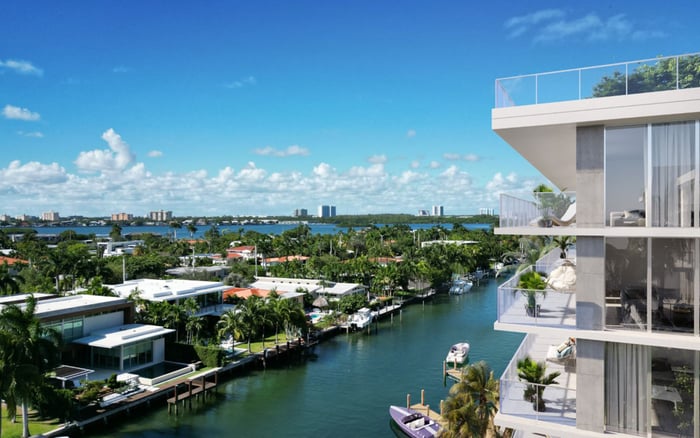
In Coral Gables, the practical value of private dining and event amenities depends on the rules governing reservations, guests, vendors, kitchens, sound, timing, and fees. Buyers should test their intended hosting plans before applicable contractual review periods expire.
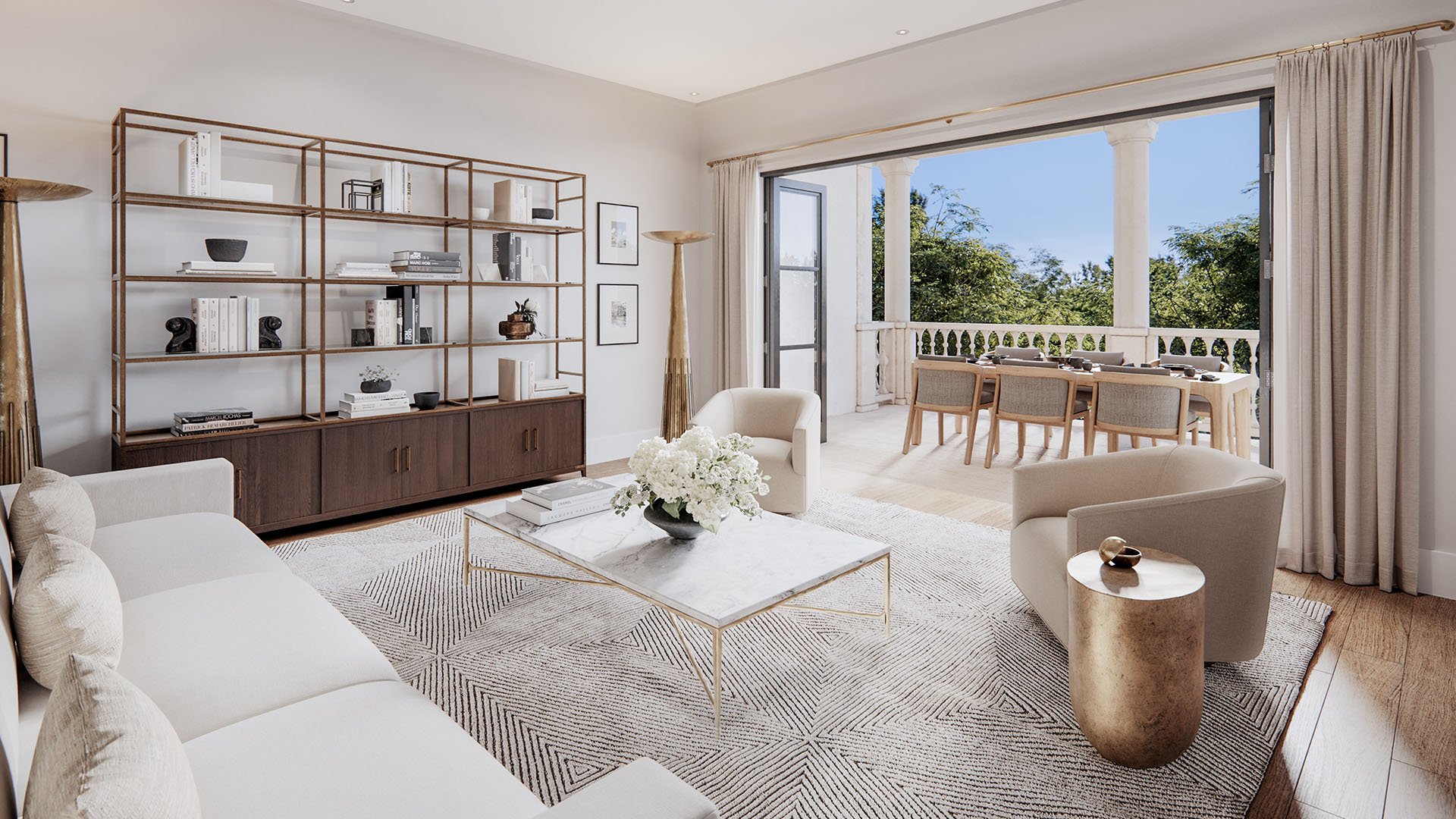
In Coral Gables, a private dining room, catering kitchen, landscaped terrace, or residents’ club can be central to a buyer’s preferred lifestyle. The practical value of these spaces, however, depends on the documents and operating rules that define when, how, and by whom they may be used.
A buyer considering Cora Merrick Park, Ponce Park Coral Gables, or another Coral Gables condominium should request the current governing documents, amenity rules, reservation forms, fee schedules, and vendor requirements before the applicable review deadline. Marketing descriptions should not substitute for a careful review of the rights, restrictions, and procedures attached to an amenity.
The essential question is not simply whether an entertaining space exists. It is whether that space can accommodate the way the buyer actually plans to host.
“Private dining” can refer to different experiences, from a seated dinner to a larger reception. Each format may raise separate questions about capacity, staffing, security, insurance, sound, parking, alcohol service, setup, and cleanup.
A buyer should submit a realistic event scenario in writing and ask management to explain whether it would be permitted. The response should address guest limits, reservation windows, cancellation terms, deposits, staffing requirements, cleanup charges, and any distinctions among personal, charitable, political, or commercial functions.
At The Village at Coral Gables, as with any luxury residential consideration, the useful inquiry is not whether entertaining appears possible. It is which approvals, costs, and operating boundaries would apply to the buyer’s specific plans.
A catering kitchen does not necessarily provide unrestricted access to every chef or vendor. Property rules may address approved vendors, licenses, insurance, food delivery, preparation areas, equipment, service corridors, loading procedures, staffing, waste removal, and additional fees.
Buyers should ask where food may be prepared, which equipment may be used, whether outside staff can access back-of-house areas, and who is responsible for damage or overtime. They should also distinguish simple delivery from staffed catering, because a property may regulate those service models differently.
Written answers are especially important when an event depends on a particular chef, service style, or preparation method. If the planned format cannot operate within the building’s rules, the amenity may not deliver the expected value.
An amenity has limited practical value when preferred dates are difficult to secure. Reservation procedures can vary by property, so buyers should obtain the current rules rather than assume that access will be available on demand.
Questions should cover when booking opens, whether owners receive priority, how competing requests are handled, and whether peak periods or holidays have separate procedures. Buyers should also ask about blackout dates, cancellation terms, recurring-event limits, deposits, minimum charges, and the number of reservations an owner may hold.
Historical availability can provide context, but only current written policies can explain the process governing a future request. Buyers should therefore evaluate dependable usability alongside design, scale, and atmosphere.
An event plan should account for more than its scheduled start and finish. Vendor arrival, setup, guest entry, music, dining, service, departures, breakdown, and waste removal may each be subject to separate rules.
Buyers should ask how indoor and outdoor spaces are treated, whether sound controls differ by location, and whether management approval is required for entertainment, security, valet service, alcohol service, or other vendors. They should also confirm whether governmental approvals may be needed for their intended event rather than assuming that property approval resolves every requirement.
A written timeline can help management identify conflicts before the purchase review period ends. It can also expose operational limits that are not apparent from floor plans or promotional materials.
The ability to host personal guests or reserve a common amenity should not be treated as evidence that short-term occupancy, commercial use, or revenue-generating events are permitted. Those matters may be governed by different provisions and should be reviewed independently.
Buyers should ask counsel to examine use restrictions, guest policies, leasing provisions, amenity rules, and enforcement language as separate parts of the acquisition. A clear distinction between personal entertaining and commercial activity can prevent assumptions from shaping the purchase decision.
Before the applicable inspection or document-review deadline, request the current reservation rules, fee schedule, guest capacities, vendor standards, insurance requirements, kitchen policies, security charges, alcohol rules, cancellation terms, and peak-season procedures. Confirm whether the requirements differ by amenity space or event type.
Then request a written response to one realistic event brief. If the contemplated gathering cannot be clearly evaluated under the current rules, that uncertainty should be considered before the buyer completes the purchase.
Does a private dining room guarantee that an owner can reserve it? No. Availability may depend on governing documents, reservation procedures, capacity limits, fees, and event-specific approval.
Why should peak-season access be confirmed in writing? Procedures can vary by property and period. Current written rules can clarify priority, booking windows, blackout dates, and competing requests.
Can an owner bring any caterer into an amenity kitchen? Not necessarily. Property rules may impose vendor, licensing, insurance, access, equipment, or service requirements.
Is food delivery always treated like staffed catering? Buyers should not assume so. A property may apply different requirements to delivery, kitchen use, outside staff, and full-service catering.
Should outdoor events be reviewed separately from indoor events? Yes. Outdoor spaces may have distinct rules concerning sound, timing, lighting, guest movement, and cleanup.
Can management require security or additional staffing? It may, depending on the property’s rules and the proposed event. Buyers should ask when such requirements apply and how related charges are calculated.
Could a private event require governmental approval? It may, depending on the event and applicable requirements. Property approval should not be assumed to satisfy every governmental obligation.
Can a property distinguish among different event types? Its governing documents or amenity rules may address personal, charitable, political, or commercial functions differently. Buyers should request the applicable language.
Why do guest counts matter during due diligence? Capacity limits can affect room selection, catering, staffing, security, and the overall feasibility of a planned gathering.
Do entertaining privileges establish permission for short-term occupancy or commercial use? No. Hosting, leasing, short-term occupancy, and commercial activity should be evaluated under their own applicable documents and rules.
For a discreet conversation and a curated building-by-building shortlist, connect with MILLION.
If branded residences are on your mind — as a home or as an allocation — we would be glad to share what we are seeing, privately.
Begin a quiet conversation