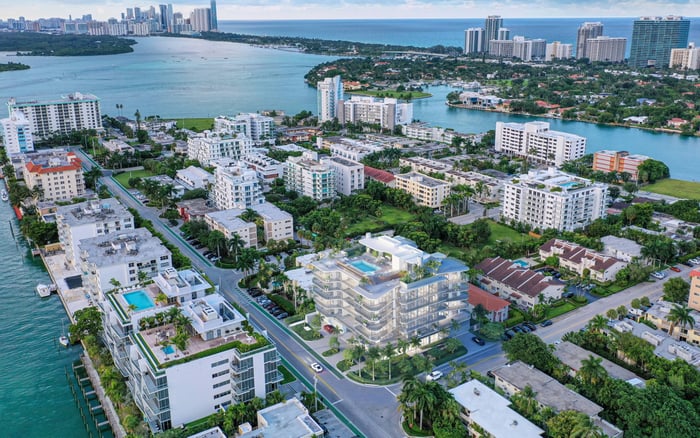
In Bay Harbor Islands, borrower approval is only one part of condominium financing. Early project review can help buyers identify association, building, insurance, rental, and eligibility concerns before key contract deadlines.

A condominium acquisition may involve review of both the purchaser and the condominium project. Strong personal finances do not resolve every question involving the association, building, insurance, ownership profile, rental activity, or governing documents.
That distinction deserves early attention in Bay Harbor Islands, where buyers may compare completed residences, new developments, and waterfront buildings. A buyer considering Alana Bay Harbor Islands or another condominium should ask the lender when project review will begin, which materials are required, and whether unresolved items could affect contractual deadlines.
A condominium questionnaire can organize information used in a lender’s project review, but it should not be treated as a permanent certificate of eligibility. Association finances, insurance, repairs, assessments, rental activity, and legal matters may change over time.
Buyers should request the current questionnaire available to them and compare it with the association budget, financial statements, meeting records, inspection materials, insurance documentation, and governing documents. When reviewing a boutique option such as Onda Bay Harbor, the quality of the residence and the lender’s view of the condominium remain distinct considerations.
Association finances deserve more than a cursory review. The diligence process should examine reserve planning, owner delinquencies, current or proposed assessments, collection history, and the association’s approach to major obligations.
A single budget line should not be viewed in isolation. Buyers can ask what work is anticipated, how it is expected to be funded, whether an assessment has been approved, and whether payment obligations are already underway. Counsel, financial advisers, and the lender can help interpret how those items may affect the transaction.
These questions also matter for resale planning. A future purchaser may evaluate the same association records and may rely on a different lender with different project criteria.
Waterfront condominium diligence should address the building’s physical condition as well as the residence itself. Buyers can request available inspection records, repair documentation, meeting minutes, engineering materials, and information about open or planned work.
The review should distinguish routine maintenance from unresolved structural or life-safety concerns. It should also identify what has been completed, what remains open, how the work will be funded, and which documents the lender still needs.
That discipline applies when evaluating Bay Harbor Towers or another Bay Harbor Islands condominium. Physical review and lender review can proceed in parallel, but neither replaces independent legal or technical diligence.
Rental provisions should be examined alongside the way a property is operated. Buyers can review minimum lease periods, approval procedures, amendments, current leasing activity, and any services or rental arrangements that may influence the lender’s classification of the project.
The declaration alone may not answer every operational question. A lender may also request information about project control, use restrictions, commercial components, or other characteristics relevant to its underwriting.
Buyers considering The Well Bay Harbor Islands should confirm that the lender is reviewing the correct condominium entity and should request a written list of outstanding project conditions.
New construction can require review of completion, phasing, association control, common areas, governing documents, and sales composition. The exact review path depends on the project and lender, so buyers should avoid assuming that a new residence is automatically eligible for a particular loan.
Jumbo and portfolio financing may follow different underwriting approaches, but buyers should still ask how the lender treats reserves, insurance, repairs, rentals, assessments, and project status. A written explanation of unresolved conditions can make responsibilities and timing clearer.
Project diligence is most useful while the buyer still has meaningful contractual options. Coordinating the lender, counsel, insurance adviser, and qualified building professionals early can reduce the risk of discovering an association-level concern near closing.
Cash purchasers may also benefit from reviewing financing considerations. A later buyer may depend on mortgage financing, and the range of available lending options can influence transaction timing and the breadth of the resale audience without establishing any particular value outcome.
Before releasing contractual protections, buyers can request review of the current questionnaire, budget, financial records, insurance materials, inspection records, repair status, assessments, rental rules, governing documents, and relevant legal matters. They should also ask what remains outstanding, who must provide it, and whether any lender response is conditional.
In Bay Harbor Islands, protecting the purchase means evaluating both the residence and the condominium structure behind it.
Is borrower approval enough for a Bay Harbor Islands condominium purchase? Not necessarily. Buyers should confirm whether the lender also requires a separate review of the condominium project.
Why should the condominium questionnaire be reviewed early? Early review can reveal missing documents or unresolved project questions while the buyer may still have contractual options.
Should a buyer rely on an older questionnaire? A buyer should request the current version available because association information may change.
Which financial materials deserve attention? Buyers can review the budget, financial statements, reserve information, delinquency data, and current or proposed assessments.
Why do repair records matter to a lender review? They can help clarify the building’s condition, the status of identified work, and how remaining obligations may be funded.
Should insurance be reviewed separately from the questionnaire? Yes. Buyers should request the available insurance materials and confirm what the lender and insurance adviser require.
Can rental rules affect project review? They can be relevant because lenders may examine both governing restrictions and actual operating patterns.
Does jumbo or portfolio financing eliminate project diligence? No. Buyers should ask each lender which project-level documents and conditions apply to the proposed loan.
Why should a cash buyer consider lender warrantability? A future purchaser may need financing, so project eligibility can remain relevant to resale planning.
Who should participate in condominium diligence? Depending on the transaction, the team may include the buyer’s lender, counsel, insurance adviser, and qualified building professionals.
For a discreet conversation and a curated building-by-building shortlist, connect with MILLION.
If branded residences are on your mind — as a home or as an allocation — we would be glad to share what we are seeing, privately.
Begin a quiet conversation