Private elevator access can create a more discreet arrival, but buyers should distinguish a private foyer from a dedicated cab, verify access protocols, and understand inspection duties and maintenance funding before purchasing.
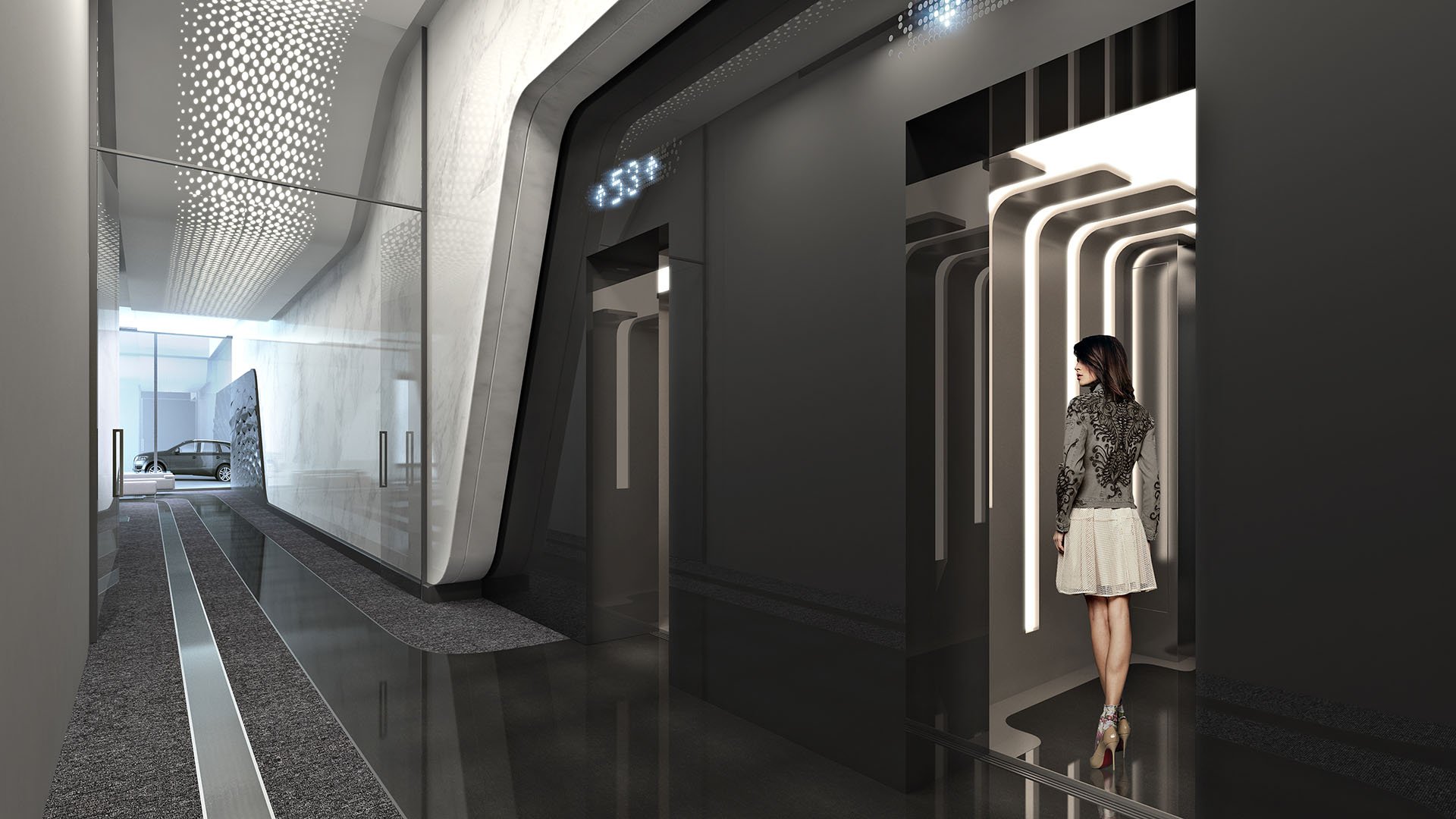
A private elevator promises a quieter transition from city to residence: fewer shared thresholds and a more personal arrival. For a Miami condominium buyer, that appeal is genuine. The essential distinction is between the experience being sold and the equipment, access rules, and financial obligations behind it.
“Private” can describe a foyer, controlled access to a floor, or an elevator serving a particular residence. These arrangements are not interchangeable. Before assigning value to the feature, establish what is exclusive, who controls it, and who maintains it. A sound purchase decision weighs privacy and operational resilience together.
Begin with the floor plan rather than the amenity description. Language such as “private foyer with semi-private elevator entry” illustrates a crucial distinction: an exclusive landing does not necessarily come with an exclusive elevator cab.
Ask which residences the cab serves, where its doors open, and whether access to your landing requires separate authorization. Clarify the boundary between the foyer and the residence. A beautifully finished arrival space does not, by itself, explain how access works.
For a Coral Gables search that includes Ponce Park Coral Gables, apply the same floor-plan questions when comparing entry arrangements. Confirm each property's configuration independently; private-entry language is not a uniform specification.
Controlled elevator access can support a more discreet arrival by restricting access to a residential landing. Its practical value depends on who receives credentials, how permissions are managed, and what happens when those permissions should end. Privacy is an architectural benefit; security also requires consistent procedures.
A biometric reader or other access-control feature should not be treated as a guarantee of security. Evaluate how the system is operated rather than relying on the equipment description alone.
Ask management how guests, household staff, contractors, and delivery personnel gain access. Who approves credentials? How quickly can they be revoked? How do emergency responders reach the residence? Request a clear explanation of routine access and emergency overrides.
In Aventura, buyers considering Avenia Aventura can apply the same operational checklist without assuming a particular access system is included. Evaluate each building's procedures separately from its marketing language.
For a Miami condominium purchase, establish who is responsible for elevator operation, maintenance, inspections, and correction of deficiencies. Ask management for the current certificate of operation and inspection records, and have a qualified elevator professional explain the requirements applicable to the equipment.
Do not infer an inspection exemption from the word “private.” Ask whether any exception applies to the specific installation and have that conclusion verified before relying on it.
If equipment is new or has been substantially altered, request documentation of applicable inspections, certification, and safety testing. Review service records alongside those documents. For buyers, the operating record deserves as much attention as the finishes inside the cab.
A private elevator designation does not establish that the individual unit owner owns the machinery or pays its entire maintenance bill. Condominium declarations and related agreements can affect maintenance responsibilities. Exclusive enjoyment and financial responsibility therefore require separate scrutiny.
Request the documents identifying equipment ownership, service obligations, repair responsibility, and cost allocation. Have counsel explain how those provisions apply to the residence under consideration. Do not assume that a private landing means separately funded equipment, or that every elevator expense is shared in the same way.
For a Brickell comparison involving Una Residences Brickell, make elevator governance a separate diligence item alongside the residence's layout. The useful comparison is not simply whether an entry is described as private, but what the governing documents require the buyer to fund and maintain.
No reliable universal annual maintenance figure is established here. Evaluate the actual service agreement, repair history, proposed work, and applicable cost allocation rather than relying on a generic estimate.
Equipment age and alteration history deserve attention, particularly in a resale purchase. Ask a qualified elevator professional to explain the equipment's condition and any implications of previous or proposed modifications rather than treating age alone as a verdict on safety.
Request the certificate of operation, inspection reports, unresolved deficiencies, maintenance agreement, repair history, and modernization plans. Read those records together. A certificate does not answer every question about recurring repairs; a planned upgrade requires scrutiny of scope, timing, and funding.
Review association reserves and pending assessments for elevator work. If modernization is contemplated, ask what has been approved and how costs would be allocated. The purchase price is only one part of evaluating a residence whose arrival depends on maintained equipment.
An elegant arrival deserves a practical contingency plan. Ask what happens during a power failure, scheduled maintenance, or an unexpected shutdown. Establish whether another permitted route serves the residence and how the building communicates interruptions. Do not assume a backup elevator or uninterrupted service exists.
Lifestyle considerations matter here: guests, household staff, and anyone with mobility needs may depend on a clear access plan. Ask management to walk through those circumstances before closing. The objective is not to diminish the appeal of private entry, but to understand how the residence functions when normal service is interrupted.
The most convincing private-elevator offering combines a clearly defined arrival arrangement, disciplined access management, documented maintenance, and understandable funding. Treat those elements as part of the luxury itself, not as administrative details to revisit after purchase.
For a considered approach to Miami condominium ownership, explore MILLION.
If branded residences are on your mind — as a home or as an allocation — we would be glad to share what we are seeing, privately.
Begin a quiet conversationNot necessarily. A private foyer can be served by a semi-private elevator, so buyers should verify the cab's service configuration and landing access.
No. Evaluate credential management, access procedures, and emergency overrides rather than treating a biometric reader as a security guarantee.
Establish who owns the equipment and review the documents assigning operating and maintenance responsibilities. Have counsel and a qualified elevator professional clarify the obligations applicable to the installation.
Request current inspection records and the certificate of operation. Ask a qualified elevator professional to explain the requirements applicable to the equipment.
Do not assume an exemption based on private-entry language or the number of homes served. Have any claimed exception verified for the specific installation.
Not necessarily. Review the condominium declaration and related agreements to establish ownership, maintenance obligations, and cost allocation.
Request the certificate of operation, inspection reports, unresolved deficiencies, maintenance agreement, repair history, and modernization plans. Also obtain the documents allocating maintenance and capital costs.
There is no reliable universal figure established here. Assess the specific service agreement, repair history, planned work, and allocation of expenses.
Alteration records help a qualified elevator professional evaluate the equipment alongside its condition and maintenance history. Ask that professional to explain any implications of previous or proposed modifications.
Ask how access works during power failures and elevator downtime, whether another permitted route is available, and how emergency responders reach the residence. Also clarify how interruptions are communicated.