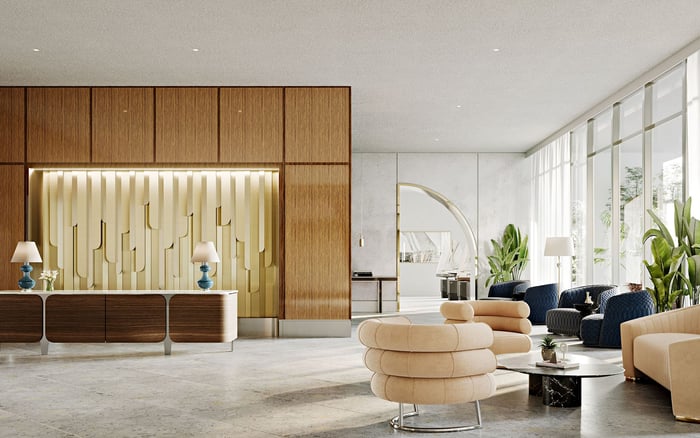
A practical look at how buyers can evaluate private dining and resident-only hospitality at Park Grove Coconut Grove, from everyday usefulness to access rules and operating details.
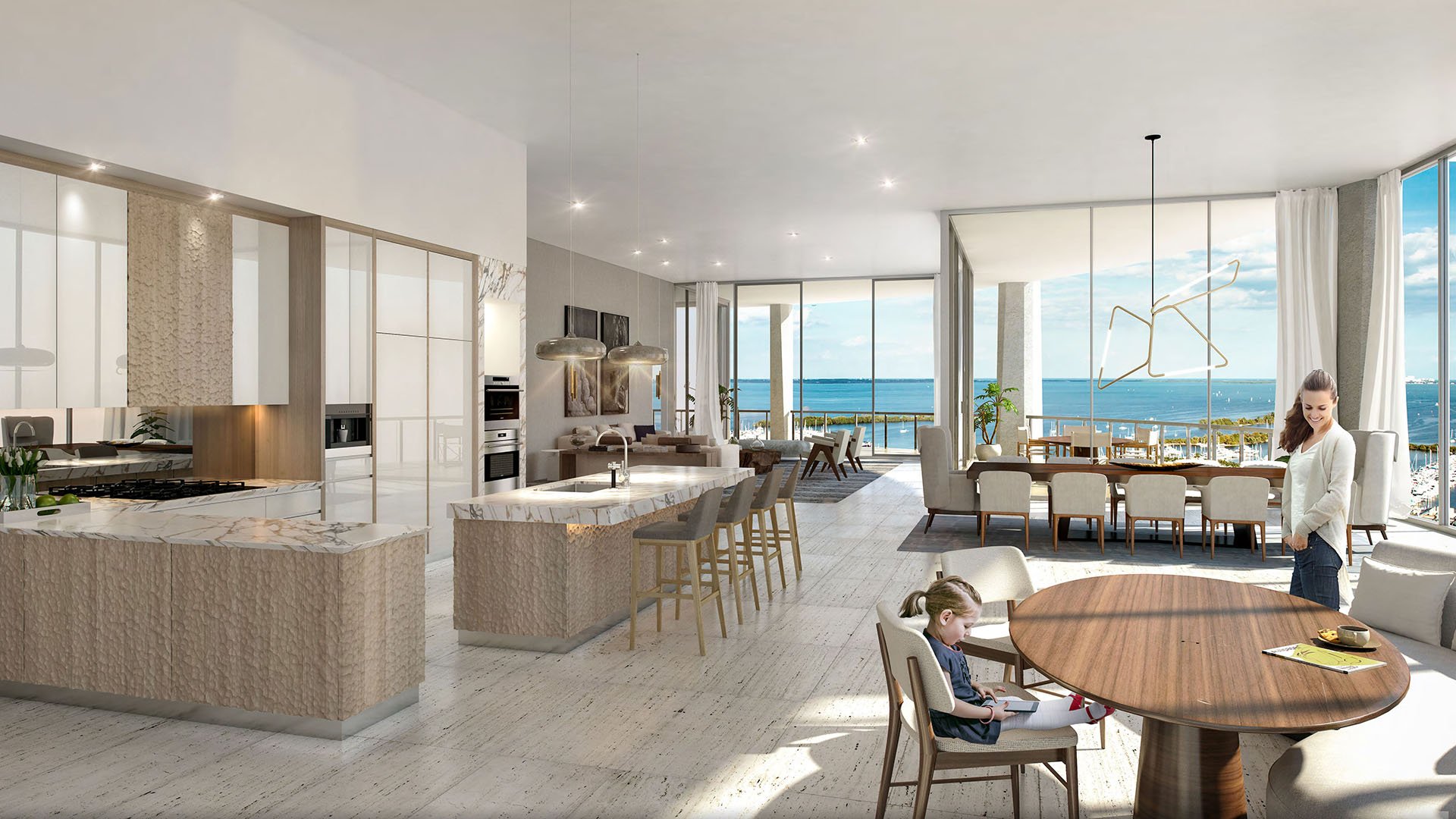
For buyers evaluating private dining at Park Grove Coconut Grove, the most useful question is not simply whether a dedicated space is presented as an amenity. The more important issue is how that space would function in daily life and whether its current operations suit the owner's routines.
A shared dining setting can create separation between private living areas and social occasions. It may give owners another place to meet guests, hold a meal or gather without using the residence itself. The actual experience, however, depends on current access policies, availability and service arrangements, all of which should be confirmed directly.
Resident-only hospitality generally sits between private residential space and a public venue. Its potential appeal comes from offering a shared setting associated with the property while limiting access according to the property's rules.
That distinction can matter to owners who value discretion. It can also affect spontaneity: a space that requires advance booking serves a different purpose from one available for casual use. Buyers should therefore focus on operating details rather than relying on an amenity label alone.
Private dining may be relevant for several types of use, including a quiet meal away from the residence, a meeting or a hosted gathering. Each use places different demands on the space, from seating and privacy to service and cleanup.
The owner's personal habits remain central. Someone who entertains frequently may place greater value on a reservable shared area, while another buyer may care more about ease of access for occasional use. Neither preference establishes an automatic financial premium; it is a question of practical fit.
Hospitality programs can differ across Coconut Grove properties, so comparisons should be made carefully. Buyers considering Four Seasons Residences Coconut Grove can compare how shared hospitality spaces relate to their expected routines and privacy preferences.
The same approach applies when reviewing The Well Coconut Grove or Vita at Grove Isle. Rather than comparing amenity counts, buyers can examine access, reservation procedures, guest rules, service structure and the relationship between shared areas and private residences.
Buyers should request current information on who may use the dining space, whether guests are permitted, how reservations work and what hours apply. Any fees, deposits, cancellation terms, catering requirements, staffing arrangements and capacity limits should also be verified.
It is equally important to understand governance and maintenance. Rules for private events, food service, conduct and cleanup can determine whether the space feels convenient or highly programmed. Because operations may change, current documents and direct confirmation are more useful than assumptions.
A private dining amenity should not be treated as evidence of future appreciation, rental demand or resale performance. Its clearest potential value is experiential: it may expand the ways an owner can dine, meet and entertain within the residential environment.
What should buyers understand about private dining at Park Grove? They should determine how the space currently operates and whether its access and reservation structure fit their expected use.
Why can shared dining space matter to an owner? It may provide another setting for meals or gatherings while keeping private living areas separate from social activity.
Is resident-only dining the same as a public restaurant? Not necessarily. Access, service and availability depend on the property's current operating rules and should be verified directly.
Can residents assume the space is always available? No. Buyers should confirm availability, booking procedures, hours and any limits on use.
Should guest access be confirmed? Yes. Guest eligibility and the number of permitted attendees may be governed by current property rules.
Could additional charges apply? They might. Buyers should ask about fees, deposits, catering costs, staffing charges and cancellation terms.
What event rules should buyers review? Relevant considerations include capacity, conduct, food service, cleanup and reservation requirements.
How should buyers compare private dining across Coconut Grove properties? They should compare practical operating details and how each setting supports their routines, not merely the presence of an amenity.
Does private dining guarantee stronger resale or rental performance? No. The amenity alone does not establish a specific investment outcome.
Why is direct verification important? Access policies, services, charges and availability may change, so buyers should rely on current information before making decisions.
If you'd like a private walkthrough and a curated shortlist, connect with MILLION.
If branded residences are on your mind — as a home or as an allocation — we would be glad to share what we are seeing, privately.
Begin a quiet conversation