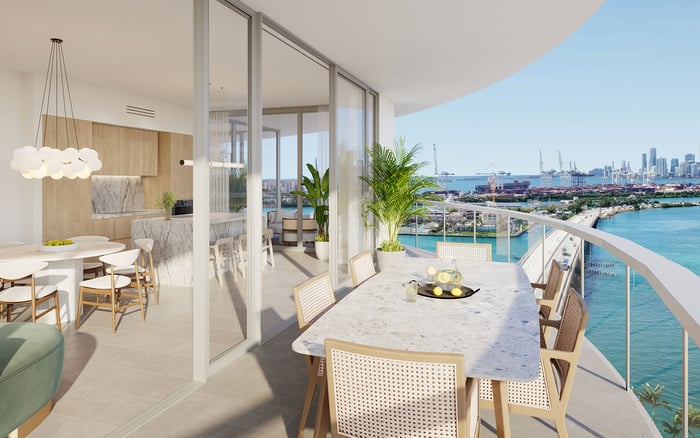
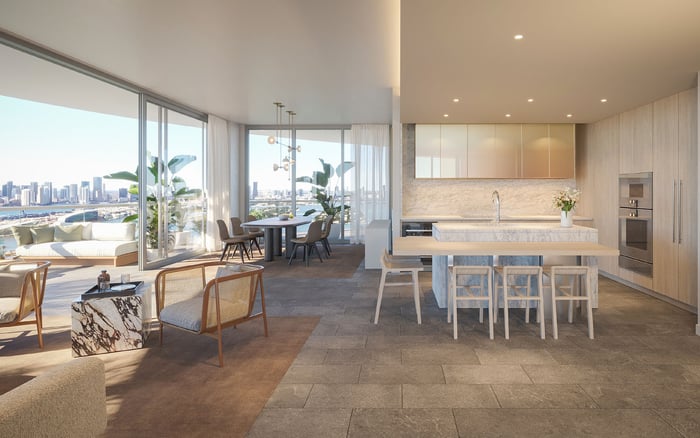
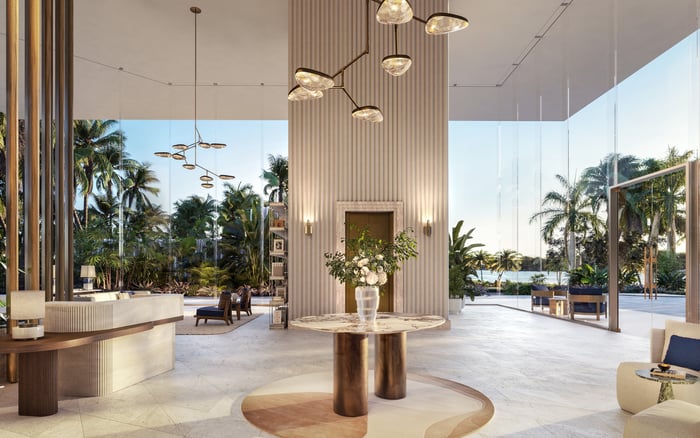
An ownership-focused look at how resident-only dining at Five Park Miami Beach may influence privacy, convenience, entertaining and the questions buyers should ask before purchasing.
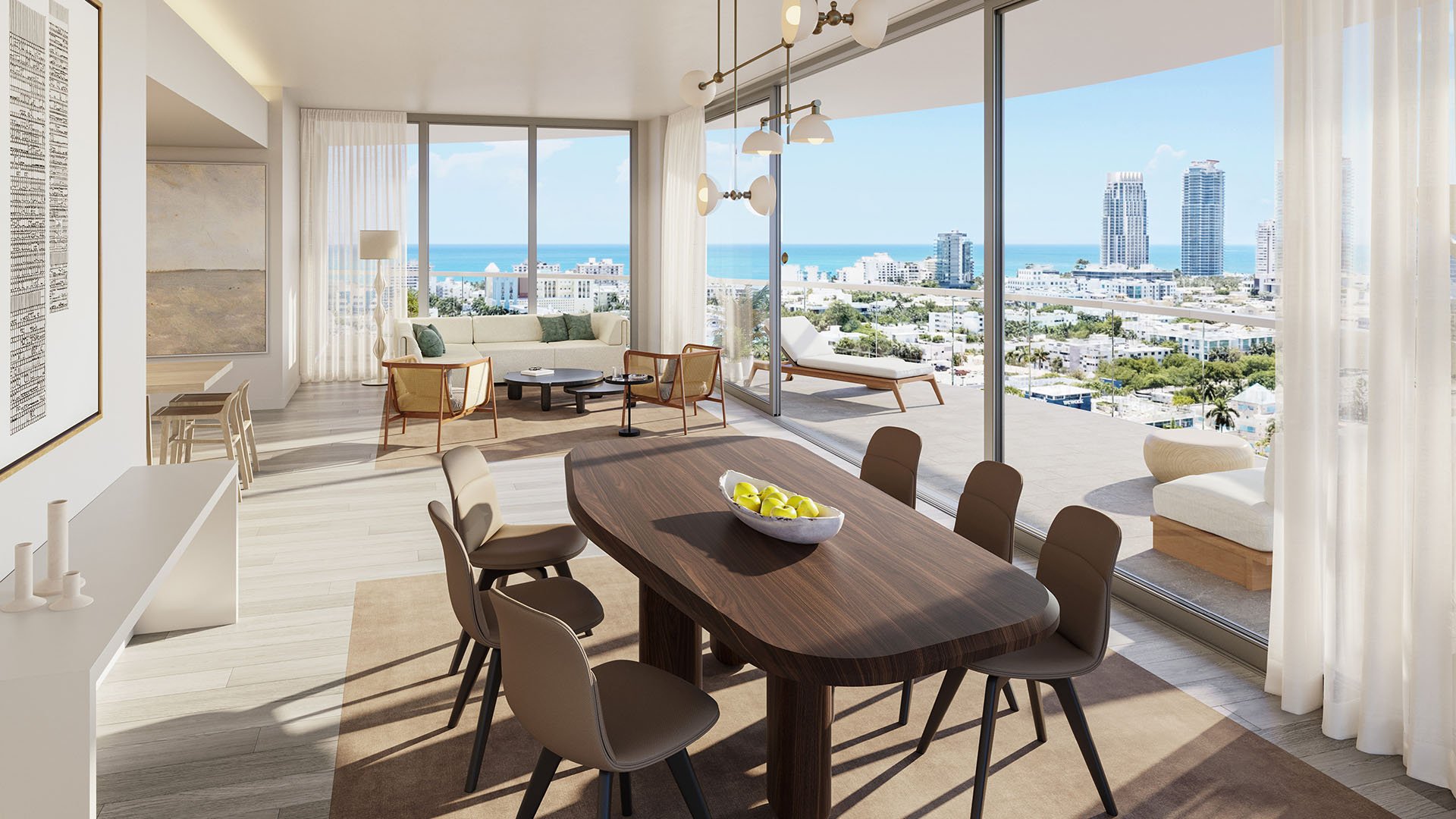
At Five Park Miami Beach, the idea of resident-only dining invites buyers to evaluate hospitality as part of the residential experience rather than as a separate night out. The practical value depends on whether the service fits naturally into everyday routines, supports entertaining and offers an appropriate level of privacy.
A private dining amenity may reduce the planning involved in having a meal close to home. It can also create a setting between the privacy of a residence and the activity of Miami Beach. Its usefulness, however, rests on operating details that buyers should confirm rather than assume.
Resident-only hospitality can feel meaningfully different from dining in a public venue. Access policies may affect the atmosphere, while reservation procedures and guest rules may determine how easily owners can use the space for routine meals or social occasions.
Convenience is not simply a matter of proximity. Owners should consider how the dining program handles demand, whether service is dependable and how access works during busy periods or private events. These questions help distinguish an attractive amenity from one that becomes an integral part of daily ownership.
Buyers comparing The Perigon Miami Beach and The Ritz-Carlton Residences® Miami Beach can apply the same framework: assess privacy, ease of access, service coverage and the relationship between hospitality spaces and the residence.
Private dining may appeal to owners who want to host without moving every occasion into their residence. A dedicated hospitality setting can potentially offer separation between personal living areas and social events, but buyers should verify how gatherings are booked and what restrictions apply.
Guest access is especially important. Owners should ask how many guests may be accommodated, whether residents receive booking priority and whether separate fees or minimum spending requirements apply. None of these operating points should be inferred from the presence of a dining room alone.
Design establishes the setting, but ongoing service determines whether resident-only hospitality remains useful. Staffing, response times, reservation management and consistency can shape the experience more than the initial visual impression.
Prospective owners should also determine which services are included in common charges and which are billed separately. Questions about gratuities, cancellation terms, event fees and payment procedures belong in the same due-diligence review as hours and menus.
Those also considering Shore Club Private Collections Miami Beach may wish to compare how each property approaches access, privacy and hospitality operations without assuming that similarly named amenities function in the same way.
A buyer should request current written information about the dining program and confirm which details are established, subject to change or still being developed. Useful questions include:
Who may use the dining venue, and under what conditions may residents bring guests?
What are the operating hours, reservation rules and cancellation terms?
How are food, beverages, gratuities and private events priced?
Do private bookings limit ordinary resident access?
How are complaints, special requests and accessibility needs handled?
Which costs are included in common charges, and which are billed separately?
Answers should be reviewed alongside the governing documents, current disclosures and other materials provided for the purchase. Resident-only hospitality can be a compelling part of Miami Beach ownership, but its lasting value depends on clear policies and consistent execution.
What does resident-only dining mean at Five Park Miami Beach? It describes a dining experience intended for residents rather than the general public. Buyers should verify the precise access and guest policies.
Why can private dining matter to an owner? It may offer convenience, privacy and a place to entertain outside the residence. Its practical value depends on how the program operates.
Can residents bring guests? Guest access should be confirmed directly because limits, booking requirements or other conditions may apply.
Are meals included with ownership? Buyers should not assume that food or beverages are included. Pricing, service charges and payment procedures should be verified.
Will reservations be required? Reservation requirements may vary by service period or occasion. Prospective owners should request the current booking policy.
Can the dining space be used for private events? Buyers should ask whether private bookings are permitted, what they cost and whether they affect regular resident access.
What operating details should buyers review? Important points include hours, menus, pricing, cancellations, guest rules, staffing and reservation priority.
How should buyers compare dining amenities across Miami Beach projects? Compare access, privacy, operating policies, costs and service consistency rather than relying only on the appearance of the space.
Why do staffing and service standards matter? Reliable staffing and responsive management help determine whether a hospitality amenity works well in everyday use.
What is the best way to shortlist comparable options for touring? Start with location fit, delivery status, and daily lifestyle priorities, then compare stacks and elevations to validate views and privacy.
For a discreet conversation and a curated building-by-building shortlist, connect with MILLION.
If branded residences are on your mind — as a home or as an allocation — we would be glad to share what we are seeing, privately.
Begin a quiet conversation