A buyer-focused framework for evaluating private dining and resident-only hospitality at Casa Bella by B&B Italia Downtown Miami, with emphasis on documentary verification, operating rules, service scope and daily usability.
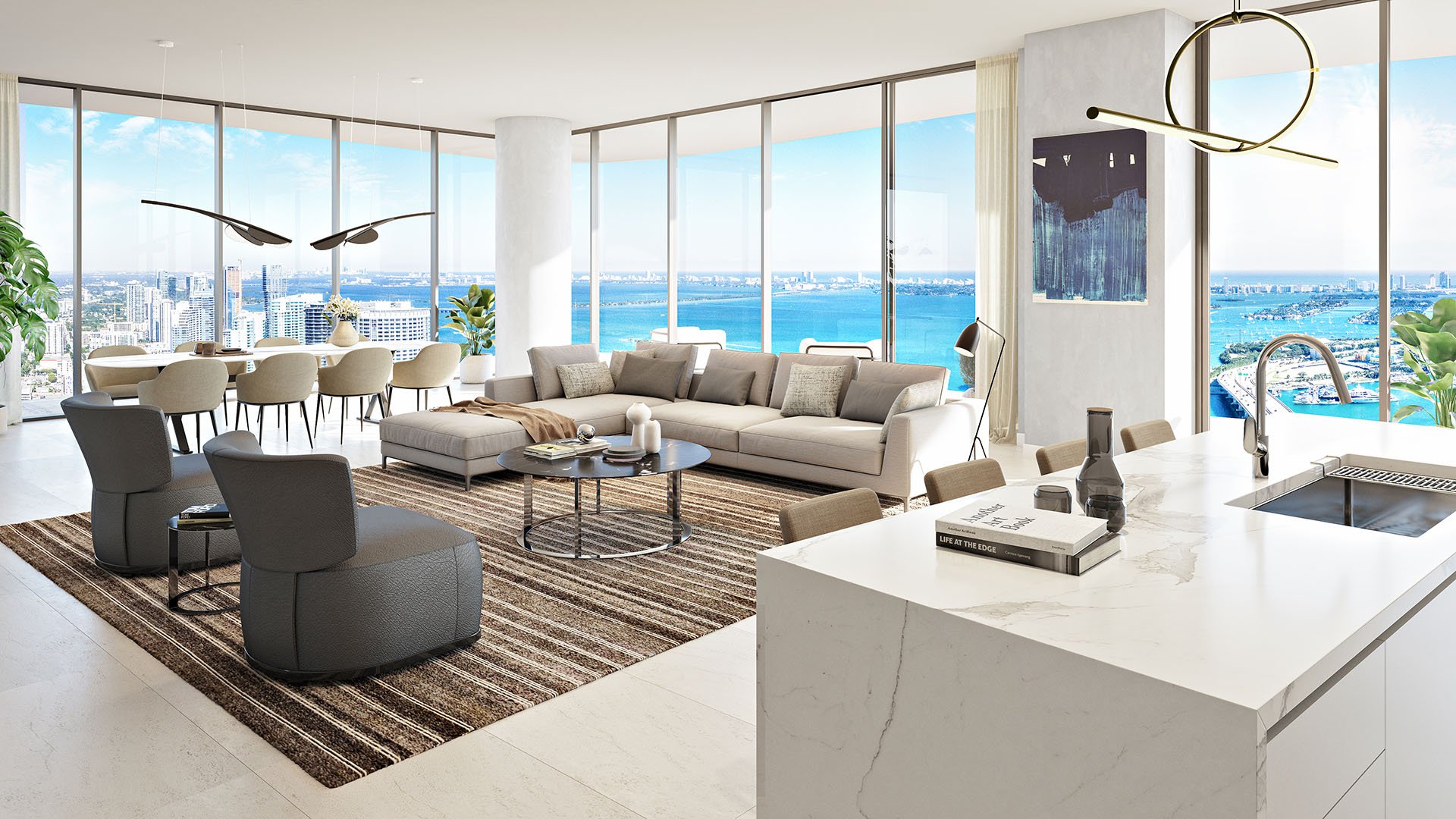
When reviewing Casa Bella by B&B Italia Downtown Miami, buyers should separate the idea of resident-only hospitality from the specific services, access rights and operating procedures that may ultimately apply. Without current project documents confirming those details, private dining should be evaluated as a diligence category rather than assumed to function like a restaurant or hotel service.
A residential private-dining setting can be meaningful when it extends an owner’s capacity to host beyond the residence. Its practical value, however, depends on matters such as availability, privacy, setup requirements and the responsibilities assigned to the resident.
A private entertaining room and hotel-style dining are not interchangeable concepts. The presence of a dedicated space does not by itself establish staffing, food preparation, table service, room service, catering or access to a restaurant team.
Buyers should ask who operates the space, what services are included and which arrangements must be made independently. Any connection between a residential amenity and another hospitality venue should be confirmed in writing rather than inferred from proximity, branding or design.
Reservation rules can determine whether a private-dining space supports spontaneous use or requires advance planning. Relevant questions include booking windows, priority rules, guest limits, deposits, hourly restrictions, event charges and cancellation terms.
Vendor policies deserve the same attention. Buyers should verify whether outside chefs or caterers are permitted, whether approved vendors are required, what insurance documentation may be needed and how deliveries, setup and cleanup are handled. Alcohol rules, staffing requirements and responsibility for damage should also be reviewed in the governing materials.
The right hospitality model depends on how an owner expects to use the residence. Someone who hosts formal dinners may prioritize service access and event logistics, while a second-home buyer may place greater value on simple booking procedures and predictable costs.
Privacy is equally important. Buyers should consider how residents, guests and vendors move through shared areas, whether events affect nearby spaces and how management addresses noise, security and post-event obligations. These operational details often shape the ownership experience more directly than presentation alone.
A useful comparison should focus on confirmed operations rather than amenity counts. Buyers considering Aston Martin Residences Downtown Miami or Waldorf Astoria Residences Downtown Miami can apply the same questions about access, staffing, privacy, reservations and recurring costs.
Those expanding the search to nearby Miami neighborhoods may also review Villa Miami. The goal is not to assume that similarly positioned residences provide identical hospitality, but to identify which documented operating model best fits the buyer’s routines.
Prospective owners should rely on current offering materials, governing documents, budgets, management rules and written disclosures for final details. Marketing language should be reconciled with the documents that define access, costs and enforceable use conditions.
Questions should be submitted in writing when possible. Buyers may also wish to obtain appropriate legal and financial advice about the documents, obligations and expenses associated with ownership.
Is private dining the same as a public restaurant? Not necessarily. Buyers should confirm the space’s access rules and operating model in current project documents.
Does a private-dining room guarantee hotel-style service? No. Staffing, food service and on-demand dining should not be assumed unless they are expressly documented.
Can residents hire an outside chef or caterer? That depends on the applicable vendor rules. Confirm approvals, insurance requirements, delivery procedures and service access before planning an event.
What reservation terms should buyers review? Review booking windows, priority rules, time limits, cancellation terms and restrictions on repeat reservations.
Could additional fees apply? Deposits, event charges, staffing costs or cleanup fees may apply, but buyers should rely on current written policies for confirmation.
Why do guest limits matter? Guest limits affect the types of gatherings the space can accommodate and may influence security, staffing and setup requirements.
What alcohol-related questions should be asked? Confirm whether alcohol is permitted, who may serve it and whether vendors, insurance or other conditions are required.
How should buyers compare branded residences? Compare verified service scope, privacy, management rules, costs and everyday usability rather than relying only on branding or amenity lists.
Which documents should govern the review? Current offering materials, governing documents, budgets, management rules and written disclosures should guide the buyer’s analysis.
What is the central ownership question? Determine whether the documented hospitality model supports the buyer’s actual hosting habits, desired privacy and tolerance for advance planning.
For a discreet conversation and a curated building-by-building shortlist, connect with MILLION.
If branded residences are on your mind — as a home or as an allocation — we would be glad to share what we are seeing, privately.
Begin a quiet conversation