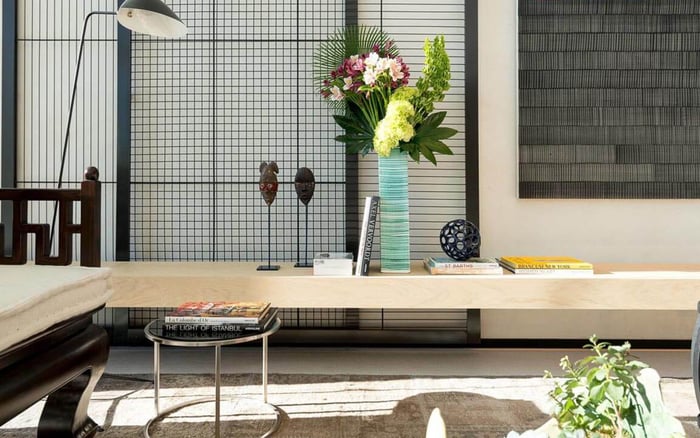
At 57 Ocean, private dining is best understood as a collection of resident-and-guest spaces and services rather than a conventional on-site restaurant. Chef-equipped social rooms, outdoor hosting areas, poolside refreshments, beach concessions, and private residences shape a flexible hospitality model. For buyers, the critical distinction lies in what is physically provided and what operating rules, staffing, access, and charges remain subject to condominium documents and management confirmation.
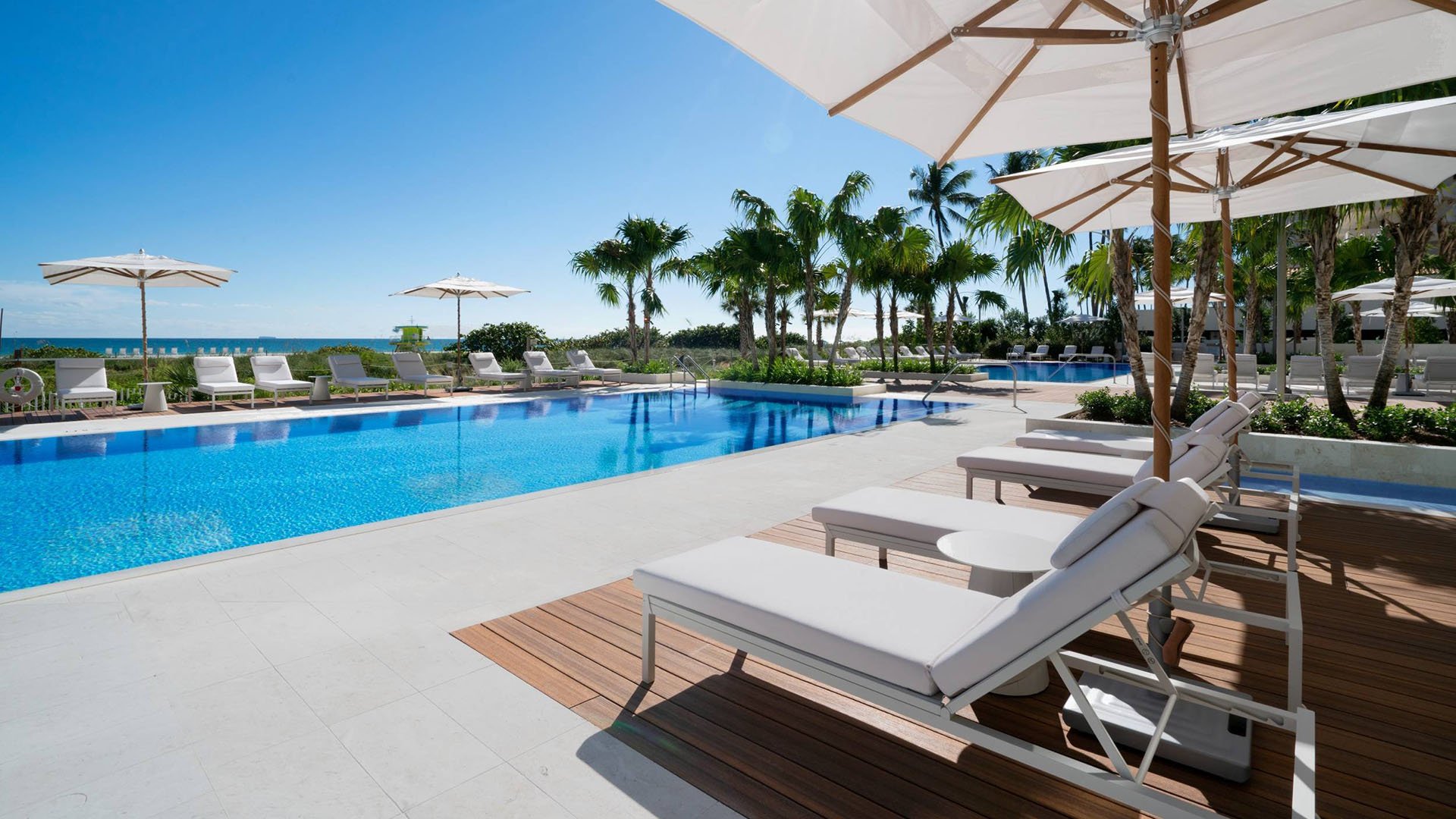
At 57 Ocean Miami Beach, private dining is less about walking downstairs to a formal restaurant than controlling where, how, and with whom an owner entertains. The oceanfront condominium at 5775 Collins Avenue sits along Millionaire’s Row, with hospitality woven throughout its club, pool, beach, and residential settings.
That distinction matters. Reserved for residents and their guests, the club room incorporates a chef’s kitchen and an outdoor summer kitchen. These are meaningful assets for owners who value intimate dinners, catered occasions, or casual meals beyond the residence. Yet the building’s amenity offering does not identify a conventional on-site restaurant or characterize any dining venue as a fully resident-only restaurant.
For buyers, the accurate proposition is not restaurant service behind a private door. It is a collection of shared cooking, gathering, and refreshment spaces that can make daily ownership feel more hosted while preserving residential privacy.
The club room is the central social setting, pairing indoor gathering space with a chef’s kitchen. An outdoor summer kitchen supports open-air entertaining, while an outdoor bar and lounge offers residents and invited guests another place to convene. A library provides a quieter counterpoint to the more social amenities.
Hospitality also extends toward the water. The property includes direct beach access, approximately 220 linear feet of beachfront and beach walk, two oceanfront infinity-edge pools with ledge loungers and cabanas, and poolside and beachside concession services. A pavilion spa integrates wellness into the same amenity sequence.
Together, these elements create several scales of use. Breakfast can remain private in the residence. A relaxed afternoon can move between the pool, bar and lounge, and beach concessions. A larger dinner can take advantage of shared culinary space. The result is flexible rather than prescriptive, suited to owners who prefer options over a fixed restaurant ritual.
The practical luxury is reduced friction. Owners can host beyond their own floor plan, meet guests in a residential setting, or enjoy refreshments near the water without introducing a public dining room into the building. For seasonal residents and second-home owners, that can make an arrival feel immediately functional, particularly when entertaining begins before the residence is fully provisioned.
The model also protects choice. Miami Beach dining, Bal Harbour Shops, Lincoln Road Mall, La Gorce Country Club, Miami River dining, and Oleta River State Park are presented as within 20 minutes. Owners can use private amenities for a quiet evening, then turn to the broader city when they want a full restaurant experience.
This balance may appeal to buyers also considering The Perigon Miami Beach or Shore Club Private Collections Miami Beach. The relevant comparison is not simply which property has the longest amenity menu, but which hospitality format best matches an owner’s routine, privacy expectations, and style of entertaining.
South Florida offers a useful contrast. At Oceana Bal Harbour, Ballerina represents a true residents-only restaurant model within an oceanfront condominium. Another private-condominium concept, Alluva at TowerHouse, was presented as serving residents and guests exclusively, with delivery to residences.
57 Ocean’s model is different. It centers on spaces and facilities that enable dining, supplemented by poolside and beachside concessions, rather than a confirmed private restaurant. Neither format is inherently superior. A staffed restaurant may offer menu continuity and service structure, while chef-equipped common spaces can provide greater discretion, personalization, and control over the guest experience.
For a buyer, terminology should never substitute for operational detail. “Private dining” can describe a restaurant, a reservable room, a catering environment, an outdoor kitchen, or in-residence entertaining. Its value depends on what is included, when it is available, and how it is managed.
The building is positioned as a private waterfront residential experience, and its singular penthouse is marketed around panoramic ocean views, privacy, personal spa features, and seamless indoor-outdoor entertaining. That emphasis reveals an important part of the ownership proposition: hospitality does not stop at the amenity level.
For many owners, the residence itself will remain the preferred dining venue. Shared kitchens and lounges can expand capacity, while in-home entertaining preserves the greatest degree of control. Oceanfront views, terraces, and indoor-outdoor flow can make a private meal feel more distinctive than a restaurant reservation, without requiring the building to operate a public-facing venue.
The wider lifestyle question is therefore personal. Buyers who entertain frequently may prioritize the chef’s kitchen and outdoor summer kitchen. Those who spend most of the day by the water may find beach-access services and concessions more relevant. Others may value the ability to move fluidly among a private home, resident social space, and nearby city dining.
Before assigning value to the hospitality package, review current condominium documents and speak with management. Available materials do not specify guest limits, reservation procedures, operating hours, staffing levels, food-and-beverage charges, or renter access.
Ask whether the chef’s kitchen and summer kitchen require advance booking, whether outside chefs or caterers are permitted, and what deposits, cleanup fees, insurance, or service charges may apply. Confirm how concessions operate, whether availability is seasonal, and what can be delivered to a residence or cabana. Rules can shape the lived experience as much as architecture.
It is equally important to understand privacy. Determine how guests are registered, whether simultaneous events are restricted, and how shared spaces are allocated during peak periods. A well-designed amenity becomes materially more valuable when its operating framework aligns with an owner’s schedule and entertaining habits.
Does 57 Ocean have a confirmed residents-only restaurant? No. Its amenity offering does not identify a conventional on-site restaurant or a fully residents-only dining venue.
Who can use the club room? The club room is available to residents and their guests.
What cooking facilities are available outside a residence? The club room includes a chef’s kitchen, and residents also have access to an outdoor summer kitchen.
Are there places for drinks and informal gatherings? Yes. The amenities include an outdoor bar and lounge, alongside a library for quieter use.
Is food service available near the beach? Private beachside lounge and concession services are part of the hospitality offering.
What pool amenities complement private dining? Two oceanfront infinity-edge pools feature ledge loungers, cabanas, and nearby concession service.
Can owners host meals inside their residences? Yes. The hospitality concept supports private in-residence entertaining as well as shared amenity spaces.
How does 57 Ocean differ from Oceana Bal Harbour? Oceana Bal Harbour offers an example of a true residents-only restaurant, while 57 Ocean emphasizes culinary and social amenity spaces.
Are reservation rules and dining charges specified? No. Buyers should confirm booking procedures, fees, staffing, hours, and guest policies through current management and condominium documents.
What is the principal ownership benefit? Owners gain flexible settings for cooking, hosting, poolside refreshments, beach service, and private meals without a public restaurant in the building.
When you're ready to tour or underwrite the options, connect with MILLION.
If branded residences are on your mind — as a home or as an allocation — we would be glad to share what we are seeing, privately.
Begin a quiet conversation