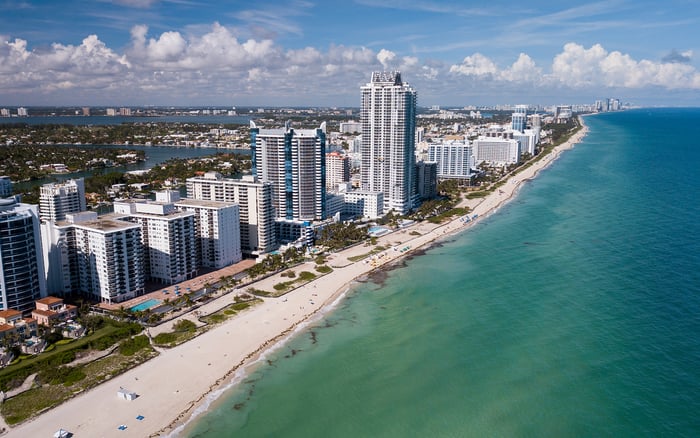
For Toronto buyers considering Miami Beach, the most useful property search begins with an integrated review of travel patterns, domicile planning, privacy, and ownership goals.
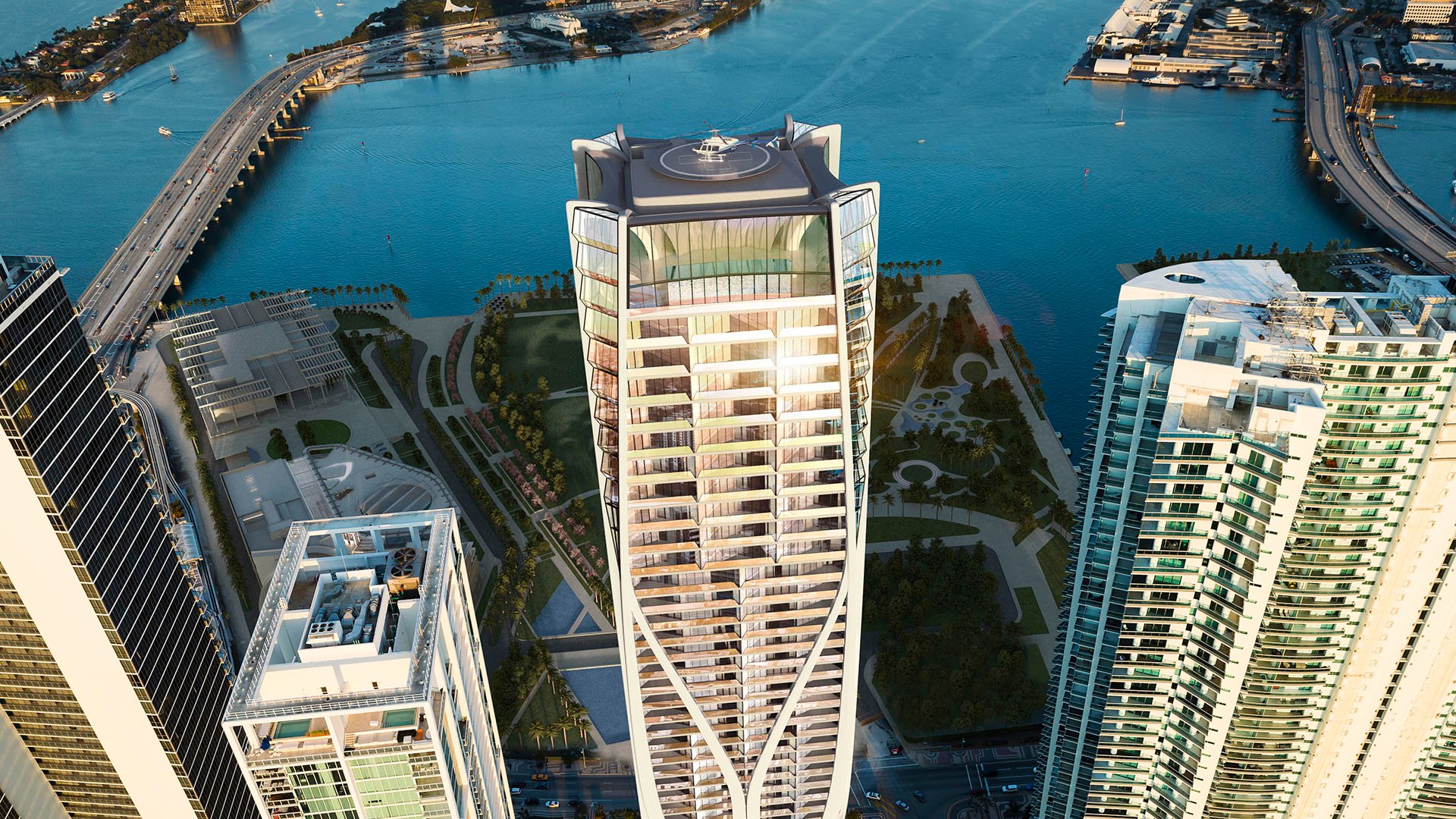
For a Toronto buyer, choosing a Miami Beach residence is rarely a simple comparison of floor plans and views. The more consequential question is how a South Florida home will fit into a life spanning multiple residences, business interests, family commitments, and frequent travel.
Private aviation can make that life more fluid, but convenience alone does not settle the purchase decision. Domicile, immigration status, tax residency, property use, financing, insurance, estate planning, and household logistics each require separate consideration. The strongest acquisition strategy brings these elements together before a contract is signed.
This is the essential Miami Beach buyer's guide perspective: the residence should support the owner's actual calendar and obligations, not an imagined vacation routine. For some, the objective is a polished second home. For others, the purchase is part of a broader relocation plan. Those intentions should never be treated as interchangeable.
Buyers who travel privately often evaluate convenience differently from conventional second-home purchasers. Their assessment may encompass the entire journey from a Toronto departure point to the residence, including ground transfers, luggage handling, family coordination, staff arrival, and the predictability of returning north.
That makes neighborhood selection highly personal. A buyer may prefer the cultural energy of Miami Beach, the quieter atmosphere of a residential enclave, or a building where arrivals and departures remain discreet. The useful metric is not distance alone, but friction across the entire trip.
A realistic test is to map several journeys: a brief weekday stay, a family holiday, an arrival with guests, and an urgent return to Toronto. The right property should perform gracefully in every scenario. Private aviation creates flexibility, but the residence still needs operating systems that make short stays feel effortless.
Owning a Florida residence does not, by itself, resolve domicile or tax residency. Buyers should obtain coordinated Canadian and United States advice tailored to their citizenship, immigration position, family structure, business interests, and anticipated time in each jurisdiction.
Advisers may examine intent, physical presence, documentation, personal ties, and the consistency of a buyer's conduct. The precise analysis is individual. A residence can support a plan; it cannot substitute for one.
This distinction matters before ownership is structured. The name or entity taking title can affect financing, succession, privacy, and tax considerations. Buyers should also discuss how household members will use the home, whether it may ever be rented, and how travel and occupancy records will be maintained. These decisions become more difficult to revisit after closing.
Miami Beach offers several interpretations of luxury, from intimate oceanfront buildings to larger communities with extensive service. Rather than beginning with a brand or amenity count, Toronto buyers can assess each option through four practical lenses: privacy, operating ease, physical setting, and intended frequency of use.
For buyers drawn to a contemporary beachfront setting, The Perigon Miami Beach may enter the conversation. Those considering a private-collection format can compare it with Shore Club Private Collections Miami Beach. The purpose is not to declare a universal winner, but to determine which ownership experience best suits the buyer's habits.
Existing residences merit equal attention. Setai Residences Miami Beach offers another reference point for buyers evaluating an established Miami Beach address, while The Ritz-Carlton Residences® Miami Beach provides a useful contrast beyond a strictly beachfront setting.
A deeper review should address service expectations, arrival privacy, guest accommodation, storage, vehicle arrangements, pet needs, staffing permissions, renovation rules, and the procedures followed when an owner is absent. A compelling waterfront outlook matters, but so does confidence that the home will be ready after weeks away.
A buyer anticipating frequent short visits may value reliable service and a low-maintenance interior over maximum square footage. A family planning longer seasonal stays may prioritize bedroom separation, work areas, generous storage, and spaces designed for more than entertaining.
Lifestyle should be defined with equal precision. Beach access, dining, wellness, boating, and social life can all shape the shortlist, but each should be weighted by actual frequency of use. An amenity that photographs beautifully but compromises privacy may be less valuable than a well-managed arrival sequence or a responsive residence team.
Buyers should also distinguish personal enjoyment from investment expectations. If future rental use matters, counsel and the condominium documents should confirm what is permitted. If the home will remain exclusively private, operating costs and resale considerations still warrant disciplined review.
A clean process begins with aligned counsel. Cross-border tax and legal advisers can address personal planning, while a Florida real-estate attorney can review title, contracts, and condominium materials. Insurance, financing, immigration, estate, and property-management professionals may also be relevant, depending on the buyer.
The property search should proceed in parallel, with findings shared among advisers when appropriate. This approach reduces the risk of selecting a residence that conflicts with the proposed ownership structure or use pattern. For Toronto buyers, the most elegant Miami Beach purchase is not merely beautiful. It is coherent, defensible, and effortless to live with.
Does buying in Miami Beach establish Florida domicile? A purchase alone should not be assumed to establish domicile. Obtain individualized cross-border legal and tax advice before relying on any residence strategy.
Why does private aviation matter to the property search? It changes how a buyer may assess total travel friction, privacy, ground transfers, and the practicality of shorter stays.
Should domicile planning happen before making an offer? Ideally, yes. Early planning can align title, financing, occupancy, succession, and documentation with the buyer's objectives.
Is an oceanfront residence always the best choice? No. Views and beach access should be weighed against privacy, service, location, maintenance, and the owner's travel pattern.
What should a frequent traveler ask building management? Ask about access procedures, deliveries, guest protocols, storage, maintenance coordination, staffing rules, and preparations before arrival.
Can a Miami Beach residence be rented when not in use? Rules vary by property and governing documents. Buyers should have counsel confirm restrictions before assuming rental flexibility.
How should Toronto buyers compare new and existing residences? Compare completion risk, condition, renovation needs, management history, carrying costs, service, and timing against the intended move-in plan.
Does ownership structure matter? It can. Title structure may affect financing, privacy, succession, and tax planning, so advisers should review it before contract execution.
What records may matter in a domicile review? Advisers may recommend consistent records of travel, occupancy, personal ties, and formal documentation based on the buyer's circumstances.
What defines a successful Miami Beach purchase? The residence should satisfy aesthetic priorities while fitting the owner's legal planning, travel rhythm, privacy expectations, and long-term use.
For a tailored shortlist and next-step guidance, connect with MILLION.
If branded residences are on your mind — as a home or as an allocation — we would be glad to share what we are seeing, privately.
Begin a quiet conversation