A buyer-focused look at how elevator routing, parking access, shared circulation, and operational planning can influence the sense of privacy associated with luxury condominium ownership in Sunny Isles Beach.
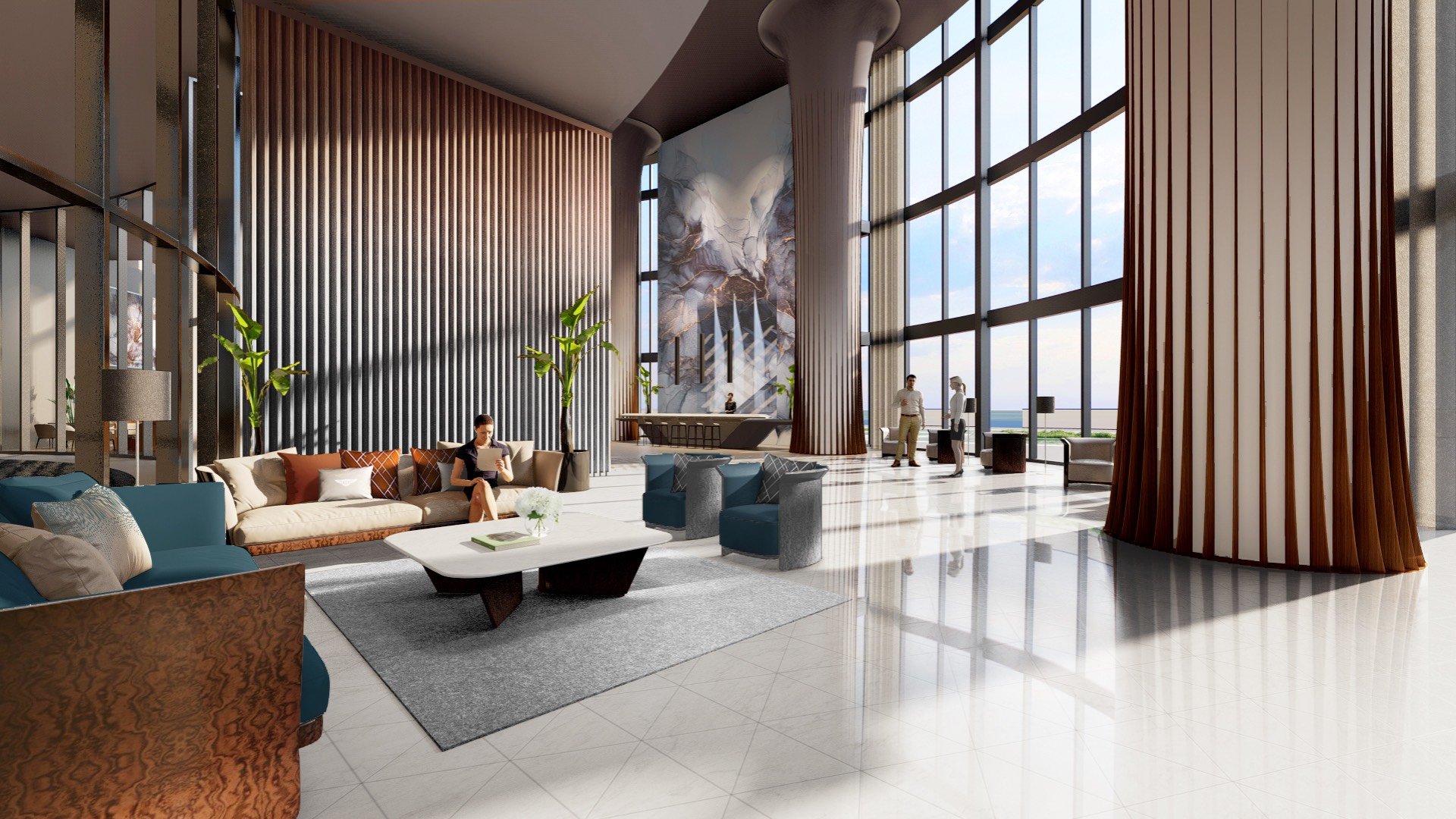
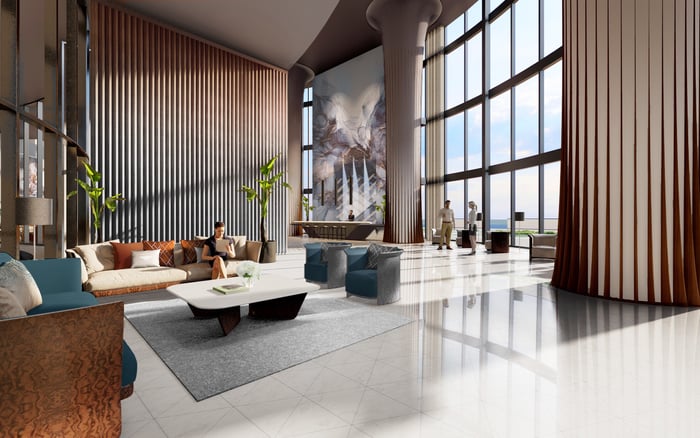
In a luxury condominium, privacy is shaped before the resident reaches the front door. Parking access, lobby circulation, elevator routing, corridors, staff interaction, and guest procedures all influence whether an arrival feels exposed or controlled.
At Bentley Residences Sunny Isles, buyers interested in elevator privacy should evaluate the entire journey from the property entrance to the residence. The central question is not whether a feature sounds private in principle, but how the access sequence functions during ordinary arrivals, departures, deliveries, and guest visits.
This distinction matters in Sunny Isles Beach, where high-rise living combines vertical circulation with service, security, and shared building operations. A well-considered route may create a more secluded rhythm, while an unclear or inconvenient process may diminish the intended experience.
Elevator planning can influence how often residents pass through common areas, encounter other occupants, or rely on staff-managed transitions. It can also affect the ease of carrying luggage, receiving guests, coordinating household personnel, and returning at less active hours.
The feeling of privacy therefore depends on more than the elevator itself. Buyers should identify where resident and visitor paths overlap, whether parking requires a separate transfer, and how access changes when the primary route is unavailable. These details reveal whether the design supports a consistently discreet experience or only a more private impression at selected points.
A direct route can feel more house-like because it reduces the number of thresholds between arrival and retreat. That comparison remains experiential rather than literal: condominium ownership still involves shared infrastructure, building rules, maintenance requirements, and coordinated emergency procedures.
A distinctive access concept carries the most value when its daily operation supports the architectural idea. Capacity, waiting patterns, access controls, maintenance planning, backup circulation, and guest management can all affect the experience, but current project-specific details should be confirmed directly by a buyer.
Prospective owners should ask for a clear walkthrough of the intended route. That review should cover residents, visitors, deliveries, household staff, service providers, and emergency access. It should also explain which spaces are private, which remain shared, and how the building handles temporary interruptions.
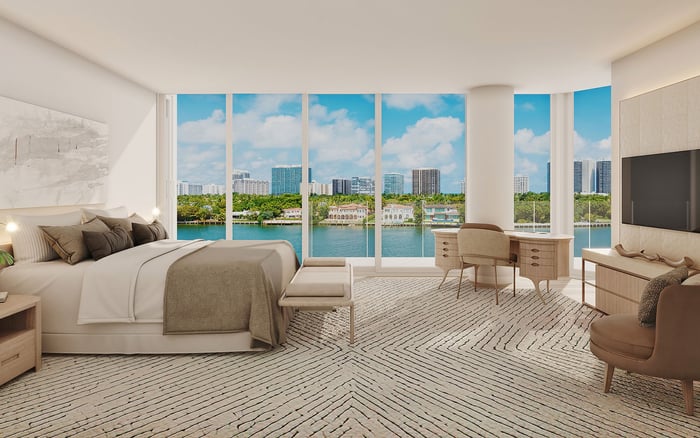
Privacy claims deserve the same scrutiny as views, layouts, and finishes. Renderings may communicate atmosphere, but ownership is shaped by repeated use. The most useful evaluation follows the sequence step by step and tests it against the buyer's actual routine.
Different luxury towers may organize arrival and circulation in different ways. Buyers comparing St. Regis® Residences Sunny Isles should examine parking, resident entry, visitor screening, elevator access, and the final approach to the home as one connected system.
The same framework applies to The Ritz-Carlton Residences® Sunny Isles. Rather than treating privacy as a universal ranking, buyers can determine which balance of service, interaction, separation, and convenience best fits their preferences.
A useful comparison begins at the street and ends inside the residence. Count the transitions, note every shared area, and ask how the route changes for guests or service personnel. This method keeps the analysis focused on lived experience instead of relying on a single headline feature.
Before purchasing, buyers should request current project materials and direct explanations of access procedures. Questions should address everyday operation as well as less common situations, including maintenance periods and alternative circulation.
It is also important to separate discretion from absolute privacy. Reduced exposure in common areas may support a quieter ownership experience, but no circulation design should be treated as a guarantee of anonymity, security, or uninterrupted access.
The strongest decision will reflect the buyer's priorities. Someone who values minimal shared circulation may weigh the arrival route heavily, while another owner may prefer more visible service and assistance. Elevator privacy is meaningful when it aligns with the household's habits rather than functioning only as a design talking point.
Vertical access can shape the emotional character of high-rise ownership by changing how residents move between the street and the home. For buyers considering Bentley Residences Sunny Isles, the relevant task is to verify how the proposed experience translates into daily operation and whether it delivers the desired balance of privacy, convenience, and service.
What does elevator privacy mean in a luxury condominium? It refers to how elevator routing and related circulation can limit or manage exposure between the property entrance and the residence.
Why should buyers examine the entire arrival route? Parking, lobbies, transfer points, corridors, and access procedures can influence privacy as much as the elevator itself.
Does private elevator access guarantee anonymity? No. A more controlled route may reduce routine exposure, but it does not guarantee anonymity or security.
How can vertical access create a house-like feeling? Fewer shared transitions can make the journey home feel more direct, although the property still operates as a condominium.
What should buyers ask about guest access? They should ask how visitors are screened, where visitor and resident paths overlap, and how guests reach the residence.
Why do maintenance procedures matter? Maintenance may change the normal circulation route, so buyers should understand available alternatives and related procedures.
Should delivery and household-staff routes be reviewed? Yes. Their circulation can affect both convenience and the practical level of separation within the building.
How should buyers compare privacy among Sunny Isles towers? They should trace each route from the street to the home and compare shared spaces, service touchpoints, and backup access.
Are architectural renderings enough to evaluate access? No. Buyers should also request current operational details and a clear explanation of how circulation is intended to work.
What is the main due-diligence priority? Confirm that the planned access experience fits the household's routine, privacy expectations, and preferred level of service.
For a tailored shortlist and next-step guidance, connect with MILLION.
If branded residences are on your mind — as a home or as an allocation — we would be glad to share what we are seeing, privately.
Begin a quiet conversation