For Montreal buyers considering Palm Beach Gardens, the residence decision should be tested against the complete private-flight itinerary, day-to-day property operations, and individualized cross-border domicile advice.
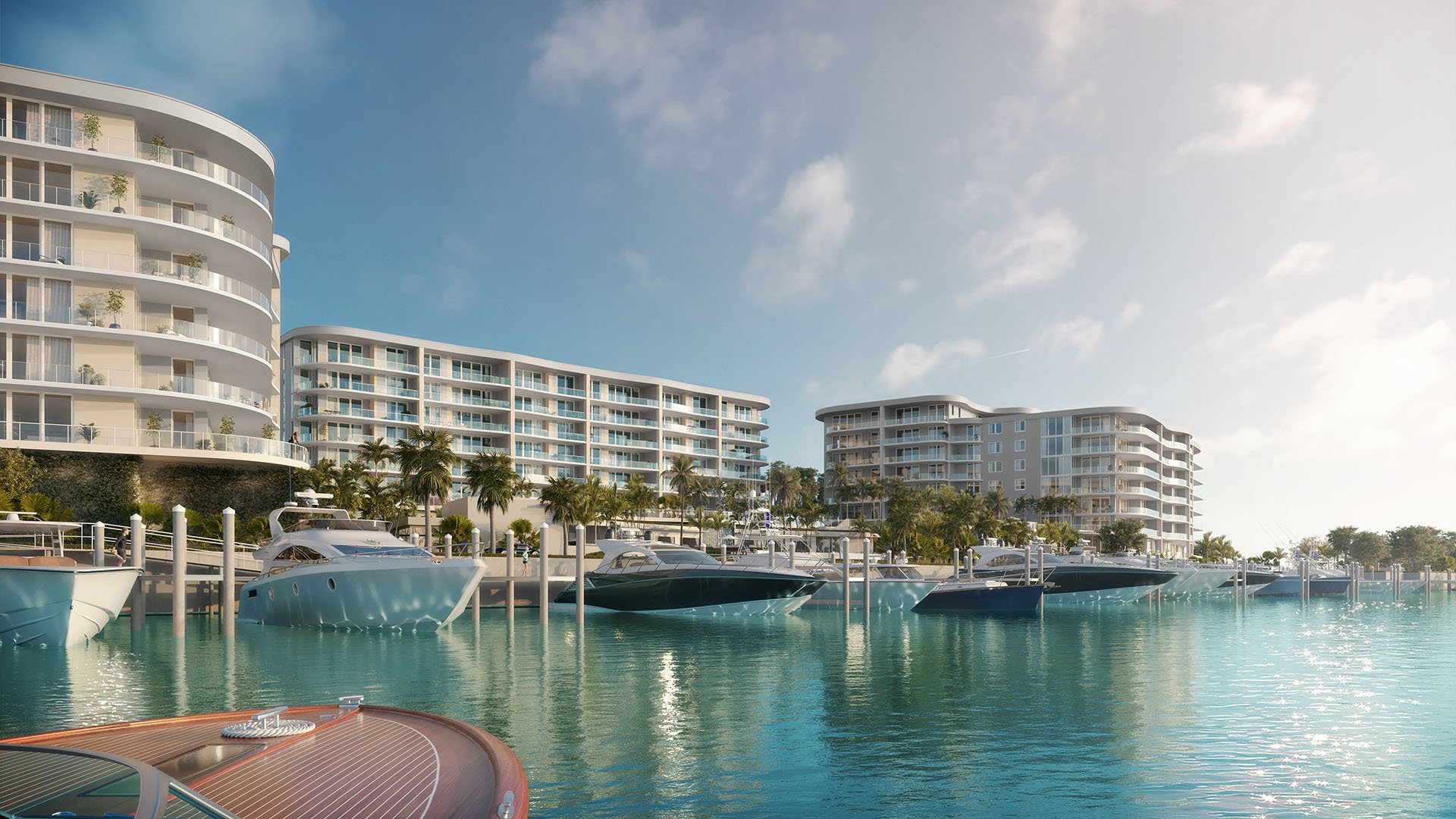
For a Montreal buyer considering a South Florida home base, Palm Beach Gardens can be assessed through three connected priorities: private-flight logistics, residence operations, and cross-border planning. The value of the shortlist comes from determining whether those elements work together for the buyer’s intended routine.
The word “often” in the title describes a buyer rationale rather than a quantified migration trend. Without a supporting data set, it should not be read as a claim about how many Montreal residents select Palm Beach Gardens.
A disciplined search therefore starts with the buyer’s actual requirements. The residence must suit household preferences while supporting arrivals, departures, extended absences, vehicle management, security, and ongoing maintenance.
Airport proximity on a map does not establish practical convenience. Buyers should examine the entire sequence from the residence to their chosen private-flight departure point, including vehicle preparation, luggage handling, passenger needs, access procedures, and the return journey.
The test should reflect expected use rather than an idealized tour. Drive the route from each candidate property during the periods when travel is most likely, then repeat it in reverse. If seasonal occupancy is planned, the review should account for the conditions likely to apply during those stays.
Buyers should also define the aircraft mission before allowing aviation access to shape the property search. Passenger count, baggage, pets, destination patterns, travel frequency, and preferred service arrangements can all influence which itinerary feels workable. The objective is not the shortest map distance, but a reliable routine that fits the household.
Private aviation is only one part of the operating plan. The residential brief may also need to address controlled access, discreet arrivals, secure vehicle storage, garage capacity, deliveries, staff circulation, systems monitoring, and dependable oversight during absences.
This is especially relevant for a second home. A visually impressive residence may still be a poor fit if preparing it for arrival is complicated or if closing it after departure requires excessive coordination. Buyers should ask who will inspect the property, manage vehicles, receive deliveries, oversee maintenance, and respond when the owners are away.
Aviation arrangements should be evaluated independently from the real-estate purchase. The home can support a travel pattern without determining how flights are sourced or managed. Keeping the decisions distinct allows each to receive appropriate financial, operational, and legal review.
Montreal buyers should not assume that purchasing a Florida residence, by itself, completes a domicile strategy. The property decision and the buyer’s legal, tax, immigration, estate, insurance, and residency planning require individualized advice from qualified professionals familiar with the buyer’s circumstances.
The advisory process should begin with intended use. Buyers can clarify whether the residence is expected to function as a seasonal retreat, a principal home, or one property within a wider portfolio. They should also discuss anticipated occupancy, travel records, family use, business activity, ownership structure, and closing sequence with their advisers.
Careful sequencing reduces the risk of allowing the property search to dictate unrelated legal or financial decisions. The residential brief can then be aligned with the resulting plan rather than built on assumptions about what ownership may accomplish.
Palm Beach Gardens should first be judged against the buyer’s own requirements. The Ritz-Carlton Residences® Palm Beach Gardens offers a project reference within the target city for considering residence format, service expectations, and the proposed aviation routine.
The comparison can then extend to West Palm Beach. Mandarin Oriental Residences, West Palm Beach and Forté on Flagler West Palm Beach allow buyers to test a different location using the same household and travel criteria.
For those also considering Palm Beach, Palm Beach Residences broadens the comparison. No project should be presumed superior without testing it against the same departure schedule, luggage needs, vehicle plan, access preferences, staffing requirements, and absence-management expectations.
The purpose of this comparison is consistency. A buyer who changes assumptions from one tour to the next cannot reliably distinguish a meaningful operational advantage from a favorable first impression.
Begin by documenting the expected travel mission and household routine. Test the complete ground itinerary for every finalist, review access and vehicle arrangements, and identify who will manage the residence before arrival, during occupancy, and after departure.
Next, examine the property’s operating demands. Consider security, deliveries, maintenance coordination, systems oversight, staff access, and the practical steps required to leave the home unoccupied. Record the findings in the same format for each candidate.
Finally, keep the residential, aviation, and cross-border workstreams coordinated but distinct. Qualified advisers should review domicile and related personal considerations, while the property analysis remains focused on suitability, operations, and the buyer’s intended South Florida lifestyle.
Does buying a Palm Beach Gardens residence complete a Florida domicile strategy? Buyers should not make that assumption. Domicile and related cross-border matters require advice tailored to the individual’s circumstances.
What is the best way to assess private-flight convenience? Test the complete journey between each candidate residence and the intended departure point under realistic travel conditions.
Is map distance enough to compare properties? No. Vehicle preparation, luggage, access procedures, timing, and the return journey can affect the practical experience.
What should buyers define before touring homes? They should outline the expected passenger needs, baggage, pets, destinations, travel frequency, household routine, and preferred property operations.
Which residence features may matter to frequent private flyers? Controlled access, discreet arrivals, secure vehicle storage, garage capacity, and dependable oversight may be relevant to the buyer’s brief.
Why does lock-and-leave practicality matter? A second home should have a clear plan for inspections, maintenance, deliveries, vehicles, and response during the owner’s absence.
Should aviation arrangements determine the property purchase? Not automatically. Aviation and real estate should be coordinated while receiving separate operational, financial, and legal diligence.
How should Palm Beach County projects be compared? Apply the same travel schedule, luggage needs, access preferences, staffing plan, and absence-management criteria to every candidate.
When should cross-border advisers become involved? Buyers should seek individualized guidance before relying on assumptions about domicile, ownership, occupancy, or closing structure.
What makes Palm Beach Gardens worthy of a shortlist? It merits consideration when a specific residence, its operating model, and the buyer’s tested travel routine align with the broader advisory plan.
To compare the best-fit options with clarity, connect with MILLION.
If branded residences are on your mind — as a home or as an allocation — we would be glad to share what we are seeing, privately.
Begin a quiet conversation