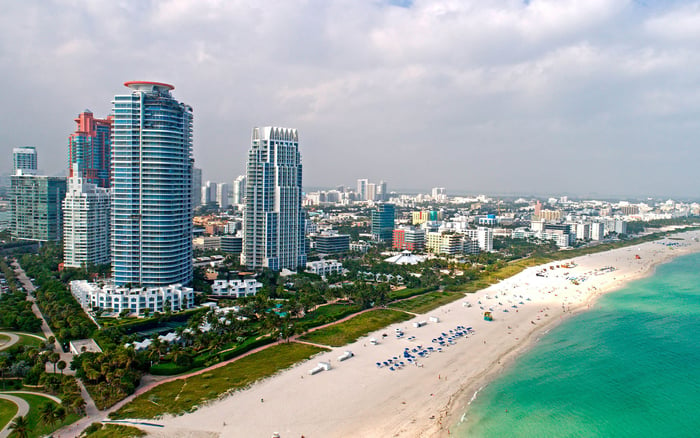
A buyer-oriented guide to South Florida’s private-aviation gateways, comparing runway capacity, international-arrival considerations, and the journey from residence to FBO.
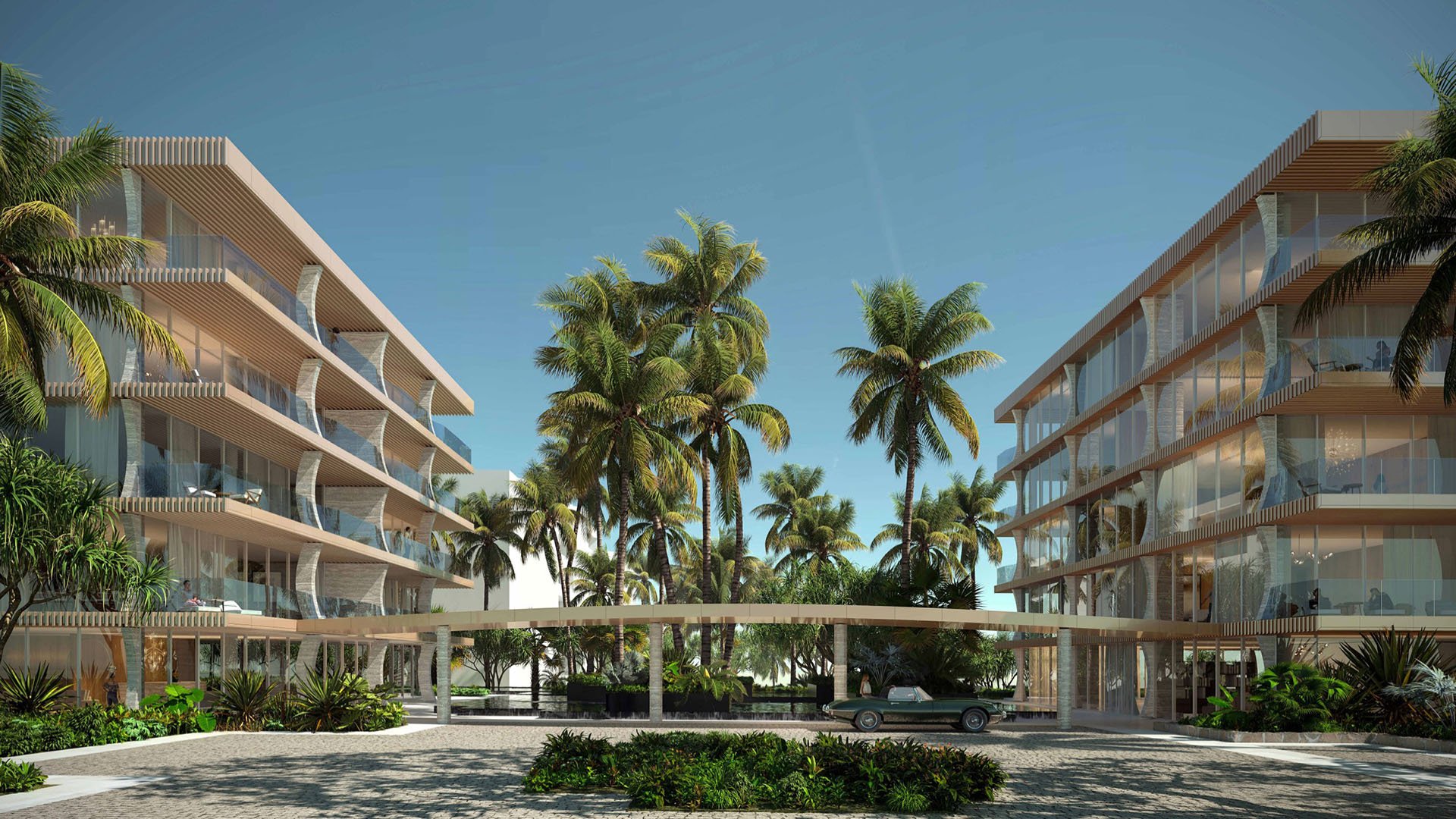
For a South Florida homeowner who flies privately, airport access is part of the residential brief. The question is not simply which runway is closest. It is how reliably the journey works from the residence to the selected fixed-base operator, or FBO, and whether the airport suits the aircraft and itinerary.
Miami, Palm Beach, Boca Raton, and Fort Lauderdale offer distinct combinations of private-aviation infrastructure. Longer runways may broaden aircraft options; a dedicated general-aviation airport may better align with a particular residential destination. Neither advantage should be considered in isolation.
The most useful comparison brings together three elements: the ground transfer, the aircraft’s operating requirements, and arrival formalities. For buyers, that means evaluating aviation access alongside the home itself, rather than accepting an unqualified promise of being minutes from a private jet.
Miami-Opa Locka Executive Airport, or OPF, serves private and business aviation as a reliever airport approximately seven miles north of Miami International Airport. Its longest runway measures 8,002 feet, supporting a broad range of business jets, including heavy and long-range aircraft, subject to operating requirements. On-field U.S. Customs capability also makes it an option for international private arrivals.
Miami Executive Airport, or TMB, serves private, business, and recreational aviation in southern Miami-Dade County. Its longest runway, at 5,999 feet, is materially shorter than OPF’s. Its suitability therefore calls for a different operational assessment, particularly when aircraft weight and intended range are important.
For a buyer considering Coconut Grove or another southern Miami-Dade residential destination, TMB belongs in the comparison-not automatically at the top of it. Evaluate the journey from the specific residence rather than relying on a general neighborhood travel-time estimate.
Miami International Airport, or MIA, offers another option through its dedicated General Aviation Center, with private-aircraft ground handling and jet fueling provided by Signature.
A buyer evaluating The Residences at 1428 Brickell should compare the drive from the property to the chosen FBO at each operationally suitable airport. A Brickell address alone does not establish which gateway will deliver the most convenient journey.
Palm Beach International Airport, or PBI, is a principal private-aviation gateway for Palm Beach, with multiple full-service FBOs. Its longest runway is approximately 10,000 feet, and it accommodates aircraft categories up to ultra-long-range business jets. International customs handling adds relevance for owners whose travel extends beyond domestic routes.
These characteristics make PBI a logical starting point for larger-aircraft and long-haul planning. They do not replace a flight-specific performance review or confirmation of international-arrival arrangements.
For buyers considering Forté on Flagler West Palm Beach, the useful exercise is to test the actual residence-to-FBO transfer. The same discipline applies when comparing West Palm Beach with Palm Beach: traffic, bridge openings, and events can alter convenience. An airport’s regional relevance does not guarantee a particular journey time.
Boca Raton Airport, or BCT, is a dedicated general-aviation option for travelers bound for Boca Raton, Delray Beach, and southern Palm Beach County. Its longest runway measures 6,276 feet. Atlantic Aviation and Signature provide FBO services; confirm current arrangements directly before travel.
For a residential search that includes Alina Residences Boca Raton, BCT is an obvious airport to evaluate. The essential distinction, however, is between convenient local access and suitability for every mission.
BCT’s shorter runway can constrain heavier long-range aircraft compared with PBI, OPF, or Fort Lauderdale-Hollywood International Airport. Aircraft weight, weather, and runway-performance requirements determine what is feasible for a specific flight. Buyers who frequently travel long distances should have their flight team compare alternatives before treating BCT as the default gateway for every departure.
Fort Lauderdale Executive Airport, or FXE, serves private travelers heading to Fort Lauderdale and the broader Boca Raton-Palm Beach corridor. Its longest runway is approximately 6,002 feet, making aircraft-specific operating limits especially relevant for heavier jets.
Fort Lauderdale-Hollywood International Airport, or FLL, offers a longer-runway alternative at approximately 9,000 feet. For larger-aircraft missions, that difference deserves attention even when another airport appears more convenient on a map.
A buyer considering Four Seasons Hotel & Private Residences Fort Lauderdale should evaluate both gateways against the intended aircraft and actual ground-transfer route. The practical choice may change with the itinerary. Rather than assigning one airport to every flight, establish a preferred option and an operationally suitable alternative with the flight team.
The runway comparison is straightforward: PBI offers approximately 10,000 feet, FLL approximately 9,000 feet, and OPF 8,002 feet. BCT provides 6,276 feet, FXE approximately 6,002 feet, and TMB 5,999 feet.
These figures frame an initial discussion; they are not aircraft approvals. Fuel load, passenger and baggage weight, temperature, wind, runway conditions, and operator procedures all influence the assessment. A runway that works for one departure may not support the same aircraft under different conditions.
International planning adds another layer. OPF and PBI have customs capabilities, but travelers should confirm availability, landing-rights procedures, and advance-notice requirements with the selected FBO before booking. Customs capability is not an assurance that every proposed arrival can proceed without advance coordination.
Before selecting a residence, ask the flight team to identify airports suited to the aircraft and typical itineraries. Then test the ground journey to the specific FBO entrance, ideally during the hours when the household expects to travel. Airport-to-city distance is too broad a measure for a decision this personal.
Include traffic, bridge openings, and major events in that assessment. Treat neighborhood recommendations as starting points, and do not translate a favorable test drive into a permanent travel-time promise. Where international flying is routine, confirm the arrival process separately from the road journey.
The strongest residential choice is not necessarily the one with the shortest line to a runway. It is the one whose location works with the owner’s aircraft, travel patterns, and tolerance for ground-transfer variability. Describe that advantage precisely as convenient airport access, supported by an itinerary-specific review.
Explore South Florida residences with your aviation priorities in mind at MILLION.
If branded residences are on your mind — as a home or as an allocation — we would be glad to share what we are seeing, privately.
Begin a quiet conversationMiami-Opa Locka Executive, Miami Executive, and Miami International offer private-aviation options. The appropriate choice depends on the aircraft, itinerary, and residence-to-FBO journey.
OPF’s longest runway measures 8,002 feet. It supports a broad range of business jets, subject to aircraft-specific operating requirements.
Yes. MIA has a dedicated General Aviation Center, with Signature providing private-aircraft ground handling and jet fueling.
No. Compare the specific residence-to-FBO journey and have the flight team confirm that TMB suits the aircraft and itinerary.
PBI has a longest runway of approximately 10,000 feet and accommodates aircraft categories up to ultra-long-range business jets. Each flight still requires an operational assessment.
BCT is a dedicated general-aviation option for travelers bound for Boca Raton, Delray Beach, and southern Palm Beach County.
Not necessarily. BCT’s 6,276-foot runway can constrain heavier long-range aircraft, depending on weight, weather, and runway-performance requirements.
FXE’s longest runway is approximately 6,002 feet, while FLL’s is approximately 9,000 feet. FLL therefore offers a longer-runway alternative for larger-aircraft missions, subject to operating requirements.
Confirm customs availability, landing-rights procedures, and advance-notice requirements with the selected FBO. Customs capability does not replace advance coordination.
Compare travel to the specific FBO at expected departure and arrival hours. Consider traffic, bridge openings, events, and whether the airport suits the intended aircraft and itinerary.