A discreet departure plan for a Hillsboro Beach residence connects humidity monitoring, water protection, controlled access, and clearly priced local support. The essential decisions belong in writing before the owner leaves.

Leaving a Hillsboro Beach residence for an extended period should not mean choosing between privacy and attentive care. The objective is a precisely defined arrangement: the right people receive the right information, access is controlled, and action does not depend on an owner answering a call across time zones.
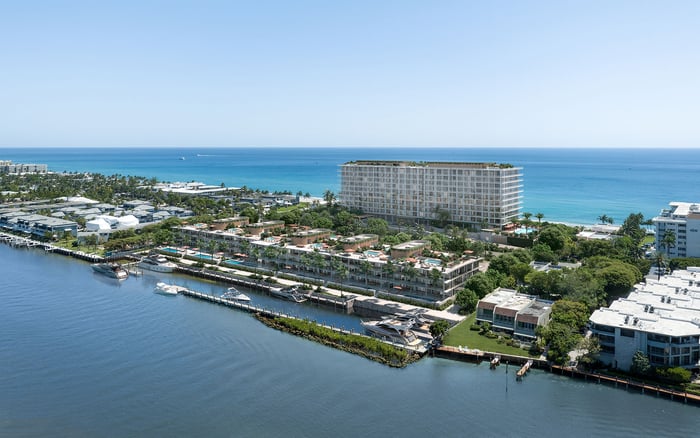
For buyers considering Rosewood Residences Hillsboro Beach, the ownership conversation should include what happens inside the residence during an absence. Ask which responsibilities belong to the owner, which services can be contracted, and what requires association coordination. A project name alone does not establish an in-residence monitoring or emergency-response arrangement.
Before departure, prepare a written responsibility schedule covering humidity alerts, water events, access credentials, contractor authorization, and after-hours escalation. Treat it as an operating agreement, not a contact list. Each task should have a primary decision-maker, a backup, and a defined escalation path if neither responds.
Humidity monitoring deserves its own plan, not a passing mention in the security brief. Ask the HVAC contractor to recommend a departure setting, monitoring locations, and alert thresholds suited to the residence. Have the property manager and insurer confirm any relevant expectations rather than adopting a universal temperature or humidity target.
The practical question is what happens after an alert. Specify who reviews it, who decides whether an on-site assessment is necessary, and who can authorize an HVAC service call. Ask whether the proposed equipment distinguishes a humidity excursion from a loss of connectivity, and how each event reaches the designated responder.
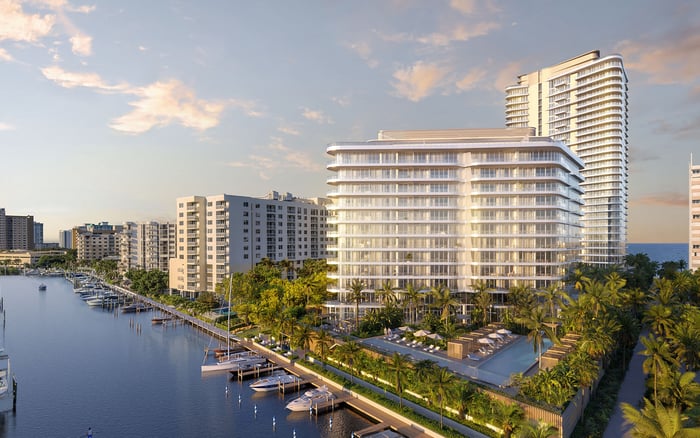
Request a written inspection scope and an agreed visit frequency. Do not assume either satisfies an insurance condition without confirmation. For an owner also evaluating Alina Residences Boca Raton, these questions provide a consistent way to compare absence planning in Boca Raton without assuming identical building services.
Keep documentation focused on readings, exceptions, actions, and resolution. Ask whether photographs are necessary, what they should show, and how they will be stored. Oversight should reveal the condition of the residence without unnecessarily recording its contents.
A connected leak sensor can report water. A system incorporating an automatic main valve can stop continuing supply-line flow. These are distinct protections, and the difference matters when the residence is unattended.
Connected detection paired with automatic shutoff can intervene before a local representative or contractor arrives. It is not, however, a promise to prevent every kind of water damage. Define the proposed system’s scope with the installer, including which supply it controls and how its operation will be verified.
Before commissioning equipment, ask about notification recipients, power and connectivity dependencies, testing, and restoration of service after a shutoff. Establish who may investigate and authorize reopening the valve. An alert delivered to an unattended inbox is not a completed response plan.
For a condominium, confirm installation permissions and access arrangements before ordering. Owners comparing The Ritz-Carlton Residences® Pompano Beach should bring these questions to their Pompano Beach discussions as well. Establish residence-specific permissions rather than inferring them from branding.
Plan emergency access before it is needed. Identify who holds keys or digital credentials, who may share them with a contractor, and how the owner can revoke access. Ask the proposed service provider to explain credential storage, access logging, and any subcontractor involvement in writing.
Separate permission to enter from permission to spend. An owner might authorize assessment while requiring additional approval for nonurgent repairs. Agree on spending limits and exceptions with the representative rather than leaving that discretion undefined during a water event.
Ask the association how an outside responder gains entry after hours and what authorization must already be on file. Confirm a backup contact and the escalation sequence if the first responder is unavailable. Do not assume a staffed entrance constitutes permission to enter a private residence.
The service agreement should also distinguish an alert acknowledgement from physical attendance. Request explicit after-hours terms, exclusions, and charges. If a response commitment matters to the ownership plan, obtain it in writing rather than treating availability as a guarantee.
Build the installation budget around a residence-specific proposal for connected leak detection and automatic shutoff, rather than an unverified general estimate.
Request an itemized proposal separating equipment from installation, then price subscriptions, backup connectivity, scheduled visits, and emergency attendance separately. Ask whether testing, maintenance, replacement components, and return visits are included. A modest installation figure says little about the total cost of an extended absence.
When evaluating home-watch providers for Hillsboro Beach, confirm service coverage alongside pricing, privacy practices, and response standards. Compare written scopes for reporting, after-hours coordination, and responsibility for engaging licensed trades. Favor clarity over an attractive monthly figure with undefined exceptions.
Before arranging plumbing modifications, automatic shutoff installation, generators, or hurricane-protection work, confirm applicable permit requirements with the town. Plan permit questions and inspection coordination separately from emergency attendance.
Before buying a device for insurance savings, ask the insurer whether a credit is available for the proposed leak detection, water-use monitoring, or automatic shutoff equipment. Request written confirmation of device eligibility, documentation requirements, and any steps needed to activate a credit.
Also ask which portion of the premium any credit would affect and how the insurer would calculate the savings. Do not budget for a reduction until its terms are confirmed.
An extended absence warrants a separate coverage conversation. Obtain written guidance on how the policy treats your circumstances, including any absence or vacancy conditions affecting water-loss coverage. Do not assume an absence automatically constitutes vacancy, or that home-watch visits preserve coverage.
Before leaving, arrange a supervised test of alerts and access, confirm contractor authorization, and review the emergency contact sequence. Include hurricane preparation and flood-related questions in the discussion with the property manager and relevant professionals.
The finished plan should be concise enough to use under pressure and specific enough to protect the owner’s discretion. Monitoring, authority, access, and cost should fit together before the residence is left unattended.
For a considered approach to South Florida second-home ownership, explore MILLION.
If branded residences are on your mind — as a home or as an allocation — we would be glad to share what we are seeing, privately.
Begin a quiet conversationDefine humidity and water alerts, local response, access credentials, emergency spending authority, and after-hours escalation. Assign a primary contact and backup for each responsibility.
Ask the HVAC contractor to recommend thresholds and settings suited to the residence. Confirm relevant expectations with the property manager and insurer rather than assuming a universal target.
No; a connected sensor can report water, while a system with an automatic main valve can stop continuing supply-line flow.
Connected detection paired with automatic shutoff can intervene before someone reaches the property. Confirm the system’s scope and dependencies with the installer.
Request a residence-specific, itemized proposal separating equipment from installation. Price subscriptions, scheduled visits, maintenance, and emergency attendance separately.
Designate an authorized representative and establish a backup arrangement. Document credential handling, sharing permissions, access logging, and revocation with the provider and association.
Do not assume it does. Obtain written, policy-specific guidance on absence, vacancy, inspections, and any water-loss conditions.
Do not count on savings until the insurer confirms a credit for the proposed device. Ask about documentation, activation requirements, and which premium component any credit would affect.
Confirm applicable permit requirements with the town before arranging installation or related modifications. Coordinate permit questions and inspections separately from emergency attendance.
Arrange a supervised test of alerts and access, and confirm who can authorize contractors and emergency spending. Review escalation steps for an unavailable responder or an after-hours event.