For Aventura condominium buyers and owners, leak preparedness deserves the same scrutiny as design and amenities. A disciplined review separates emergency availability from documented response, defines mold-remediation expectations, protects privacy, and clarifies notification and cost authority.

In Aventura, residential service deserves the same scrutiny as architecture. A water leak tests the less visible side of ownership: who may enter the residence, who can stop the source, who authorizes work, and who tells an absent owner what happened. A polished arrival experience cannot replace a documented emergency plan.
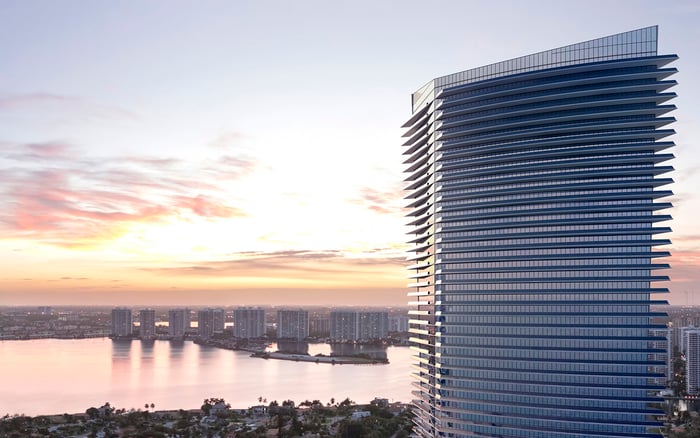
For buyers considering Avenia Aventura, these are diligence questions, not statements about the project's procedures. Ask management to explain the sequence from detection through mitigation, remediation and restoration. A strong answer names the responsible people, defines approval boundaries and specifies the records the owner receives.
Privacy and speed should be planned together. Discreet service means controlled access and communication-not silence when a residence is affected.
When evaluating a vendor's emergency availability in Aventura, ask whether it covers nights, weekends and holidays. Clarify which services the responding crew can perform and whether additional personnel are needed for specialized work. Availability alone does not establish an arrival guarantee.
Ask who answers after hours, where the responding crew is dispatched from, and when an estimated arrival becomes a confirmed assignment. If response time matters to your decision, request any arrival commitment in writing rather than treating an estimate as a contractual promise.
Building access matters just as much. Ask whether the contractor must contact management or security before arrival and how overnight entry is coordinated. Establish who is responsible for source shutoff while the restoration crew prepares to begin mitigation.
Request a written sequence that identifies who coordinates shutoff, how entry is authorized, and who confirms that the source has been addressed. For a broader search that includes One Park Tower by Turnberry North Miami, bring the same questions to each management conversation without assuming identical arrangements.
A local office address or directory entry does not establish dispatch capacity, workmanship or suitability for a particular loss. A service-area listing does not prove that the right personnel and equipment will be available when needed.
Before accepting a preferred contractor, request current credentials and evidence of insurance. Ask which company will perform the work, whether subcontractors are involved, and who supervises the response. Obtain a written mitigation scope that separates extraction and drying from demolition, mold remediation and reconstruction.
For a leak affecting vertically stacked residences, request unit-specific documentation. Ask for separate damage records to distinguish each residence's condition and work performed. Confirm how each affected owner receives those records without unnecessary circulation of another resident's information.
A remediation discussion should extend beyond visible mold. Ask whether the proposed scope addresses moisture-source correction, containment, HEPA-filtered removal, antimicrobial treatment, drying and post-remediation verification. The contractor should explain which measures apply to the actual conditions.
Containment deserves particular attention in shared buildings. Ask whether negative-pressure containment is appropriate, where it would be placed, and how the contractor proposes to protect adjoining spaces during removal work.
For water-damage work, ask about IICRC S500; for mold remediation, ask about IICRC S520. A statement that work follows those standards is not independent verification of certification. Request supporting credentials and ask how the proposed scope reflects the stated standards.
Define post-remediation verification before work begins. Confirm who performs it, whether that party is independent of the remediation contractor, what acceptance criteria apply, and who receives the results. Do not assume that a verification step guarantees independent clearance or establishes a universal legal requirement.
Notification to management is not notification to the owner. Ask which parties receive the initial alert and whether the written procedure includes a deadline for direct-owner notification.
Ask management to document the owner's preferred contact channels, an alternate representative and escalation steps if neither responds. Request updates at meaningful milestones: discovery, source control, initial scope, proposed demolition, drying progress and completion. These are arrangements to confirm, not assumed vendor commitments.
Address privacy separately and in writing. Define who may authorize entry, how keys or access credentials are handled, who receives interior photographs, and how owner information is shared. Request damage-focused photography and a defined recipient list while allowing necessary documentation for management and claims handling.
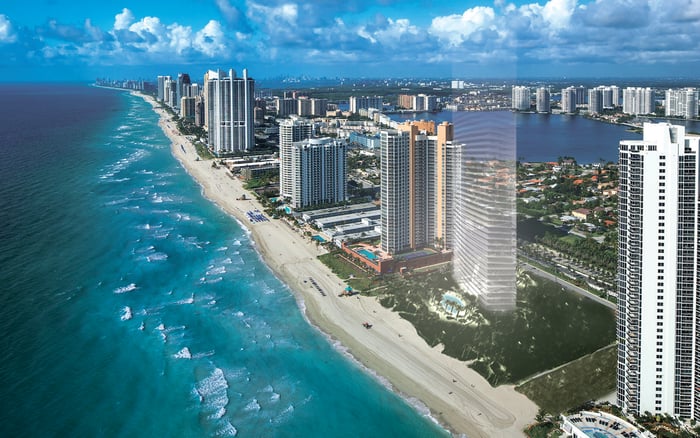
For buyers comparing Aventura with Sunny Isles Beach residences such as Turnberry Ocean Club Sunny Isles, apply the same standard: verify the actual emergency and privacy procedures rather than inferring them from the residential presentation.
A restoration estimate is useful only when its scope is clear. Ask which services are included, what conditions could expand the work, and whether demolition, mold remediation and reconstruction are priced separately. Do not treat a general estimate as an Aventura market average or a quotation for a particular residence.
Request an itemized mitigation estimate, written demolition limits, moisture readings, equipment logs and a separate reconstruction estimate. Clarify what triggers additional charges and who may approve expanded work. Ask how drying completion will be documented; equipment removal alone should not serve as the closing milestone.
Emergency stabilization and finish restoration should have distinct scopes and approval checkpoints. This separates immediate work from decisions about replacement materials and reconstruction. Confirm the owner's spending authority and any emergency authorization arrangements before work begins.
Do not assume that association and unit-owner insurance responsibilities are identical. A general overview cannot resolve the allocation for a particular loss. Review the declaration, maintenance obligations, cause of loss and actual policies with the relevant management, insurance and professional advisers.
Ask what the contractor's documentation file includes. Request unit-specific photographs, moisture readings, equipment records, authorized scopes and invoices. Documentation can support a claim without guaranteeing coverage or payment.
The same diligence applies when comparing nearby Hallandale Beach options, including Shell Bay by Auberge Hallandale. Ask for written procedures before treating service expectations as settled. The ownership standard is straightforward: know who acts, who approves, who pays and who is informed.
For a discreet perspective on South Florida residential ownership, explore MILLION.
If branded residences are on your mind — as a home or as an allocation — we would be glad to share what we are seeing, privately.
Begin a quiet conversationAvailability alone does not establish an arrival time. Confirm dispatch arrangements and request any arrival commitment in writing.
Treat it as an estimate unless the written agreement provides a specific commitment. Ask when dispatch becomes a confirmed assignment.
It should identify access authorization, source-shutoff coordination, mitigation approval and owner communication. Request the sequence in writing from management.
Unit-specific records help distinguish damage and work performed in each residence. Ask how those records will be shared without unnecessarily exposing another owner's information.
Ask about source correction, containment, HEPA-filtered removal, antimicrobial treatment, drying and post-remediation verification. The contractor should explain which measures apply to the actual conditions.
No. A statement that work follows IICRC S500 or S520 is not independent verification of certification; request supporting credentials.
Confirm who performs the verification and any relationship to the remediation contractor. Agree on acceptance criteria and who receives the results before work begins.
Compare itemized scopes, exclusions and conditions that could trigger additional charges. Keep mitigation and reconstruction estimates distinct rather than relying on headline prices.
Do not assume it does. Confirm direct-owner contacts, notification timing, escalation steps and update milestones in writing.
Review the declaration, maintenance obligations, cause of loss and actual insurance policies with the relevant advisers. A general overview does not determine coverage or payment for a specific event.