A buyer-oriented framework for evaluating privacy at Nora House, from the arrival sequence and elevator controls to security protocols and service circulation.
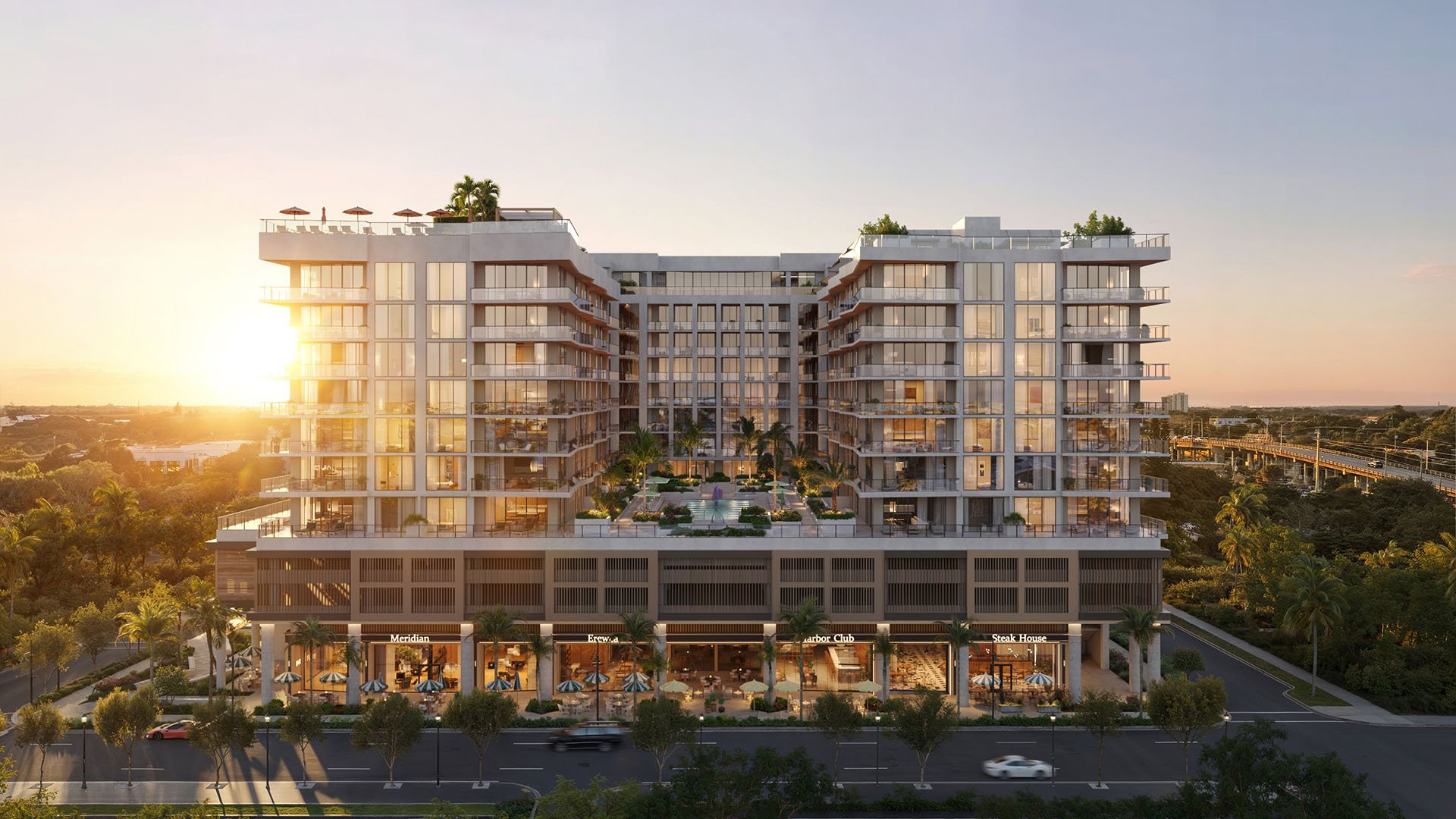
At Nora House West Palm Beach, privacy is best treated as a matter of buyer due diligence, not a decorative promise. The meaningful question is not whether an entrance appears discreet, but whether the entire arrival sequence coherently separates residents, guests, deliveries, vendors, and staff.
For a West Palm Beach buyer, that sequence may begin at the curb and continue through vehicle arrival, entry recognition, lobby reception, elevator authorization, corridor circulation, and the residence threshold. Each transition can reinforce privacy or introduce friction. Because specific operating details require direct confirmation, buyers should request current plans, access policies, staffing protocols, and relevant ownership documents before reaching conclusions.
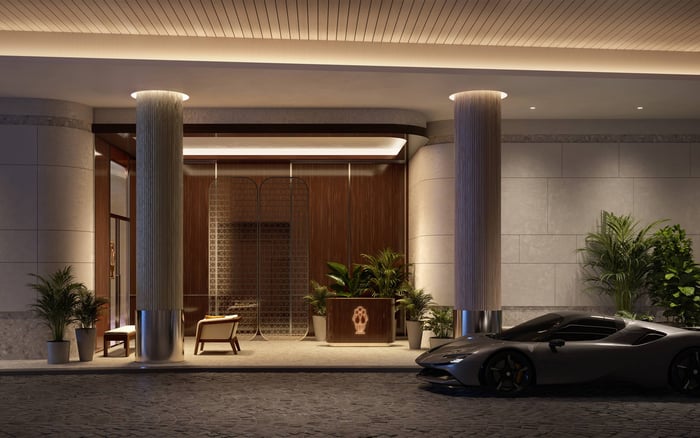
A refined lobby can feel residential while performing serious operational work. During a tour, note whether reception personnel can observe the principal entrance, how visitors are acknowledged, and where guests wait for authorization. Sightlines matter: a beautiful room may offer little privacy if resident movement is visible to everyone entering the building.
Ask how the lobby operates during busy periods and after hours. Does guest verification preserve discretion? Where do food deliveries pause? Can a vendor enter residential circulation without passing a controlled point? These questions separate visual seclusion from managed privacy.
Design and architecture should support operations quietly. Materials, lighting, acoustics, seating placement, and door positioning can limit exposure without making the arrival feel institutional. A boutique atmosphere is most convincing when control is evident but never theatrical.
Elevator access is often the decisive link between a public-facing lobby and a private residential floor. Buyers should determine who can call an elevator, how destinations are authorized, whether visitors receive time-limited access, and how staff permissions differ from those of residents. It is also worth asking what happens when credentials fail or a resident requests guest access remotely.
Do not assume that a private or controlled elevator provides direct residence access. Confirm the precise route from lobby to home, including shared vestibules or corridors. Request a clear explanation of how emergency operations, move-ins, maintenance appointments, and large deliveries alter the normal access pattern.
In new-construction purchasing, plans and technology descriptions can evolve. The relevant safeguard is written clarity about the intended system, together with an understanding of which procedures may remain under association or management control.
Cameras, credentials, intercoms, and controlled doors are components-not a complete privacy strategy. Their value depends on placement, monitoring, response standards, credential administration, and staff training. Buyers should ask who can review access records, how long credentials remain active, and what process applies when an owner, guest, employee, or vendor no longer requires entry.
Cybersecurity also belongs in the discussion when access relies on mobile applications, connected locks, or remote visitor authorization. Questions should cover account recovery, device replacement, administrator privileges, and the procedure for reporting a lost credential. These are practical ownership concerns, not technical footnotes.
Lifestyle convenience should not erase boundaries. Seamless access is desirable, but the strongest system also makes exceptions visible and manageable.
Service circulation reveals whether privacy has been considered beyond the formal entrance. Ask where packages are received, stored, and released; where housekeeping and maintenance teams enter; and how scheduled work reaches a residence. Buyers should also understand the routes used for refuse removal, move-ins, pet services, and oversized deliveries.
The objective is not complete separation at every moment. It is predictable circulation supported by clear authorization. Shared routes may be entirely workable when timing, supervision, and access permissions are well defined. Conversely, a nominal service entrance offers limited value if vendors can move through residential areas without an accountable handoff.
Acoustics also merit attention. Doors, back-of-house rooms, elevator lobbies, and service corridors can shape how private a home feels, even when access itself is controlled.
Prospective purchasers can apply the same privacy checklist when reviewing Banyan Tree Residences West Palm Beach, Mr. C Residences West Palm Beach, and Mandarin Oriental Residences, West Palm Beach. The purpose is not to assume their systems are equivalent, but to assess each property through the same questions about arrival, authorization, vertical circulation, visitor handling, and service access.
That discipline is especially valuable across the broader Palm Beach market, where buyers may encounter varying scales, management models, and hospitality expectations. A polished presentation can establish the tone, but ownership satisfaction depends on how consistently privacy procedures function on an ordinary day.
Before committing, request the most current materials available on access control, staffing, deliveries, emergencies, moves, and resident guests. Ask which features are physical, which are technological, and which rely on rules that may later change. Counsel can help identify where the purchase agreement, condominium documents, disclosures, or management policies address these matters.
A buyer should also test the experience personally. Walk the route at the pace of an arrival, pause where a guest would wait, observe what is visible from reception, and identify every point at which authorization changes. Privacy is strongest when design, technology, and human judgment reinforce one another without burdening daily life.
Does Nora House have a private lobby? Buyers should confirm the lobby configuration and access rules in current project materials rather than infer privacy from renderings or terminology.
Will elevators provide direct access to residences? The exact elevator route, destination controls, and relationship to shared corridors should be verified before purchase.
How should buyers assess visitor access? Ask how guests are identified, approved, admitted, and limited to authorized destinations, including for after-hours arrivals.
Are cameras enough to establish building security? No. Monitoring, response procedures, credential control, staffing, and access to records are equally important.
What should buyers ask about deliveries? Confirm where deliveries enter, who accepts them, how items are stored, and how they reach the residence.
Why does staff circulation matter? Defined staff routes can reduce unnecessary overlap with resident areas and establish a clearer chain of authorization.
Can privacy procedures change after closing? Some operating policies may be subject to management or association decisions, so buyers should review the governing framework.
Should owners ask about mobile access credentials? Yes. Confirm procedures for device loss, account recovery, administrator permissions, and the removal of obsolete credentials.
How can a buyer compare nearby residences fairly? Use the same questions at every property, comparing actual routes and protocols rather than marketing vocabulary.
What is the most important privacy test? Trace every resident, guest, staff, and delivery journey from entry to destination, then identify who authorizes each transition.
For a confidential assessment and a building-by-building shortlist, connect with MILLION.
If branded residences are on your mind — as a home or as an allocation — we would be glad to share what we are seeing, privately.
Begin a quiet conversation