For buyers who entertain at home, privacy is an operational question as much as a design preference. At St. Regis® Residences Brickell, the details to verify extend from curbside arrivals and elevator permissions to vendor routing, outdoor-space rules, and late-night departures.
Entertaining in a private residence is often judged by the dining room, view, or terrace. In a luxury high-rise, however, discretion begins much earlier: when a guest’s car reaches the curb. It continues through the lobby and elevator and remains relevant until the final departure.
That sequence is especially important when evaluating St. Regis® Residences Brickell. The buyer’s task is to determine how a social life can be managed without compromising residential calm.
For those considering branded residences, service should not be confused with unrestricted access. A persuasive privacy proposition is typically a coordinated one: organized arrivals, controlled movement, clear vendor protocols, and enforceable rules that allow residents to host graciously while protecting their neighbors.
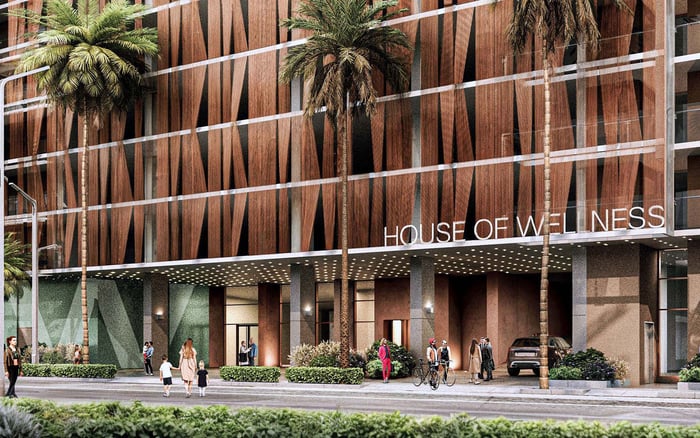
Valet is more than a convenience. It is the first operational layer of a private event, where guest names, vehicles, drivers, and curbside activity converge. Buyers should ask how visitors are identified, where they wait, and how the building manages multiple arrivals within a short period.
The same questions matter when comparing nearby properties such as Baccarat Residences Brickell or Cipriani Residences Brickell. Each building’s current operating documents and management procedures must be evaluated independently.
A serious host should examine the exit sequence as carefully as the arrival. Late-night departures can generate conversation, vehicle queues, and curbside pickup activity. Ask whether valet can accommodate an event surge, whether rideshare pickups are directed to a designated point, and how staff reduce congestion without making guests feel processed.
Controlled access between the arrival area, lobby, and residential elevators is central to high-rise privacy. Prospective owners should determine whether guests must be preregistered, announced, or escorted before receiving elevator access. They should also ask whether elevator permissions are limited to a specific destination and whether procedures change after certain hours.
These are due-diligence questions, not details to infer from a sales presentation. For a dinner of six, a slightly formal check-in may feel seamless. For a larger reception, the same process could create a lobby queue unless guest names are submitted in advance and staff have a workable arrival plan.
Owners who expect to entertain frequently should request a walk-through of the complete guest journey. Begin at the vehicle drop-off, pass through every access point, and finish at the residence. Then repeat the exercise for departure. A polished lobby matters, but the transitions between spaces reveal whether privacy is genuinely embedded in daily operations.
Caterers, florists, musicians, rental companies, and other vendors create a second circulation pattern. Buyers should confirm whether outside professionals must use designated service entrances, loading areas, and service elevators. They should also ask about advance approval, delivery windows, certificates of insurance, staff identification, and procedures for removing equipment after an event.
None of these procedures should be assumed. Current purchase materials, the declaration, bylaws, rules and regulations, and management policies should establish what is permitted. The practical objective is straightforward: preserve an elegant guest experience while keeping production activity away from residential arrival paths wherever governing procedures allow.
A buyer comparing The Residences at 1428 Brickell can apply the same test. Ask how a catered evening moves through the property, not simply whether its entertaining spaces look impressive.
The essential questions concern guest limits, quiet hours, music restrictions, deliveries, outside vendors, and approval requirements. Buyers should also establish whether rules differ between gatherings inside a residence and events held in a shared amenity space.
Shared spaces may offer an alternative to hosting a larger gathering entirely at home, subject to reservation and event policies. Confirm booking windows, deposits, fees, cancellation terms, occupancy restrictions, cleanup requirements, and whether private events receive exclusive use. These terms are not established here and should be verified through current documents and building management.
This is where lifestyle expectations should become concrete. A buyer who hosts seated dinners has different operational needs from one planning cocktail receptions, family celebrations, or recurring business gatherings. Describe those scenarios candidly during diligence and request written answers where possible.
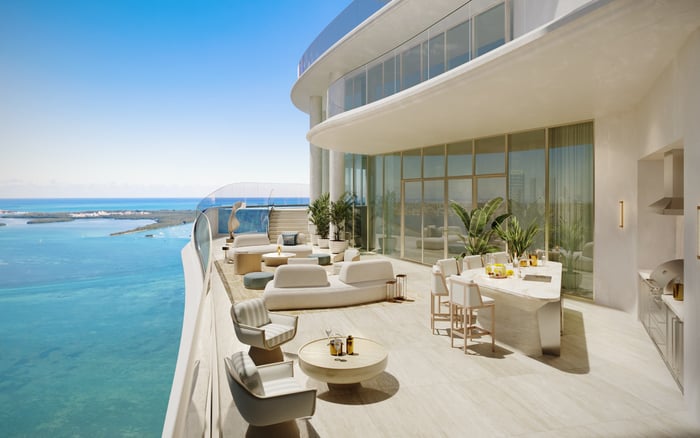
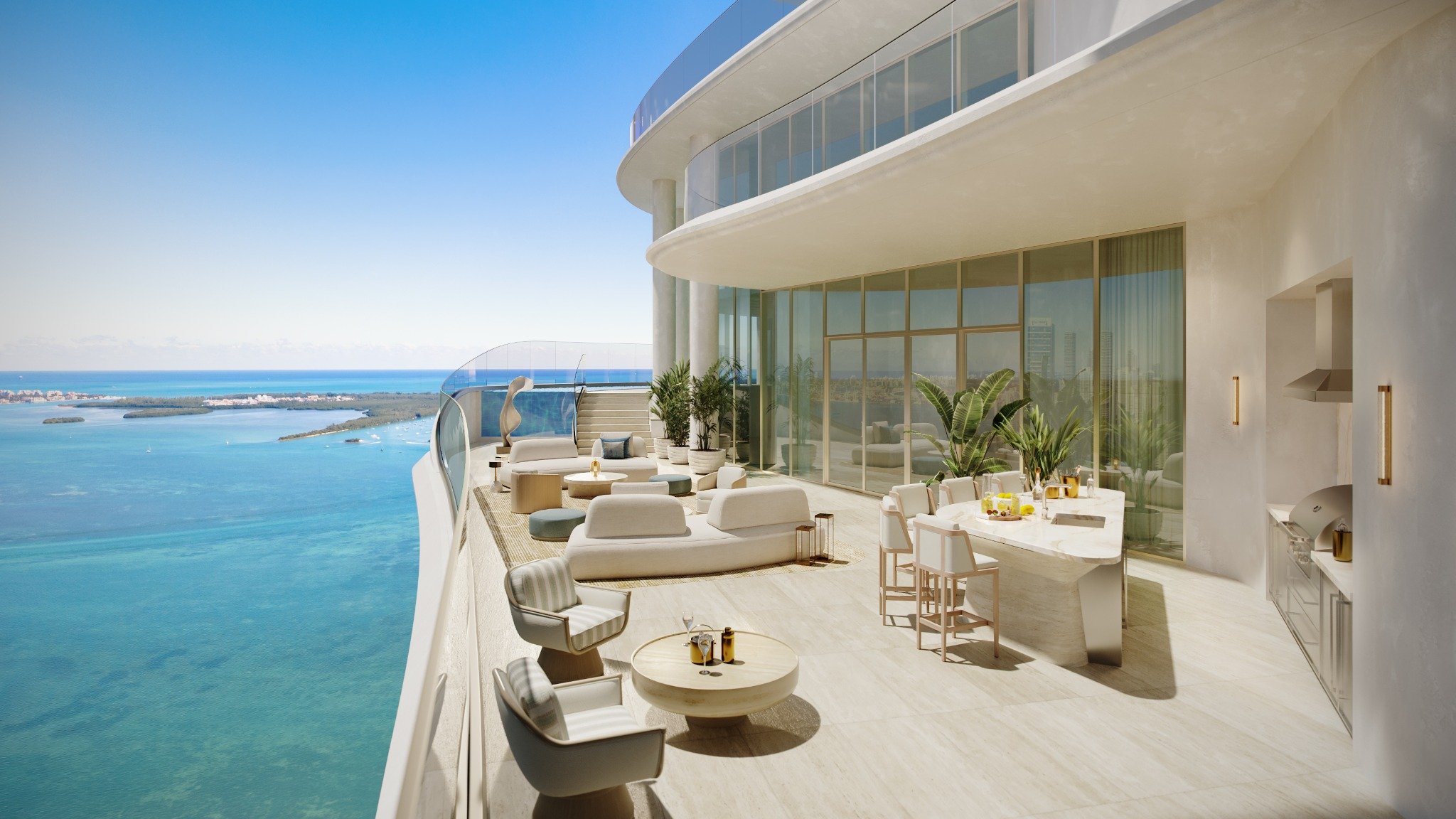
Private outdoor areas can make entertaining feel distinctly South Floridian, but outdoor space is rarely free from community obligations. Noise, lighting, occupancy, and neighbor-impact restrictions may apply even when guests remain within a private residence.
A terrace should therefore be assessed at the hour it will actually be used. Consider how sound travels, where lighting is placed, the proximity of neighboring outdoor areas, and how guests transition indoors later in the evening. The relevant standard is not simply what fits physically, but what is permitted and considerate.
Furniture layouts can support privacy by directing conversation inward and keeping circulation away from shared sightlines. Even so, design cannot override condominium rules. Owners should obtain current guidance before adding temporary equipment, amplified music, decorative lighting, or event furnishings.
Before contract, request all governing materials addressing guests, events, valet, elevators, deliveries, vendors, amenities, and outdoor areas. Ask management to explain how those provisions work in practice and whether separate event forms or approvals apply.
Then test the building against realistic scenarios: a dinner with several arriving cars, a catered reception with timed deliveries, and a late evening with staggered departures. Confirm who receives the guest list, how elevator access is granted, where vendors unload, and how valet manages concentrated demand.
The final decision should rest on current written rules and direct operational confirmation, not assumptions drawn from marketing. Privacy is strongest when the residence, staff procedures, and owner expectations function as one composed system.
Are private parties permitted inside a residence? Buyers should confirm permitted gathering types, guest limits, and approval requirements in current condominium documents and management policies.
Must guests be preregistered? The information here does not establish a final procedure. Ask whether guests are preregistered, announced, or escorted before receiving elevator access.
Do elevators provide destination-controlled access? This should be verified directly rather than inferred from marketing materials.
Can caterers use residential elevators? Confirm whether caterers and other vendors must use designated service entrances, loading areas, and service elevators.
What party restrictions deserve the closest review? Focus on guest limits, quiet hours, music, deliveries, outside vendors, cleanup, and advance-notice requirements.
Can shared amenities be reserved for events? Shared spaces may offer an alternative, but reservation rules, fees, occupancy limits, and event policies require confirmation.
Are gatherings allowed on private outdoor space? Outdoor entertaining may be possible, subject to applicable noise, lighting, occupancy, and neighbor-impact restrictions.
How should hosts plan for valet demand? Ask whether valet can manage concentrated arrivals and departures and whether advance event coordination is available.
Why do late-night departures require planning? Guest conversations, vehicle queues, and curbside pickups can affect privacy, noise, and congestion around the entrance.
Which documents should a buyer request? Review the declaration, bylaws, rules and regulations, management policies, purchase materials, and any event-specific forms.
To compare the best-fit options with clarity, connect with MILLION.
If branded residences are on your mind — as a home or as an allocation — we would be glad to share what we are seeing, privately.
Begin a quiet conversation