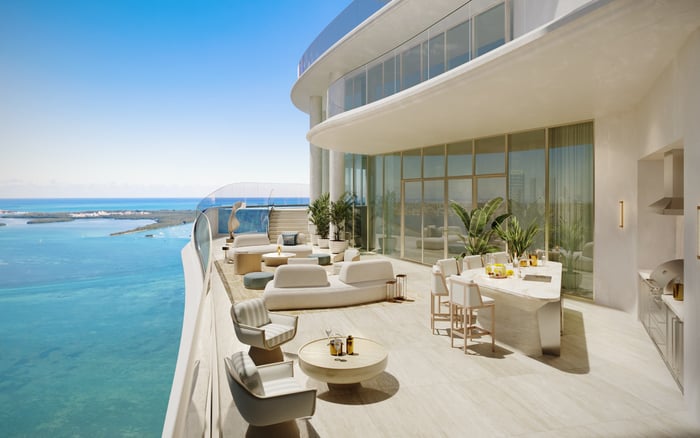
W Pompano Beach and Cipriani Residences Brickell advertise distinct approaches to residential hospitality. This practical review separates dining access from genuine privacy and outlines the written fee, booking, and service confirmations buyers should request.
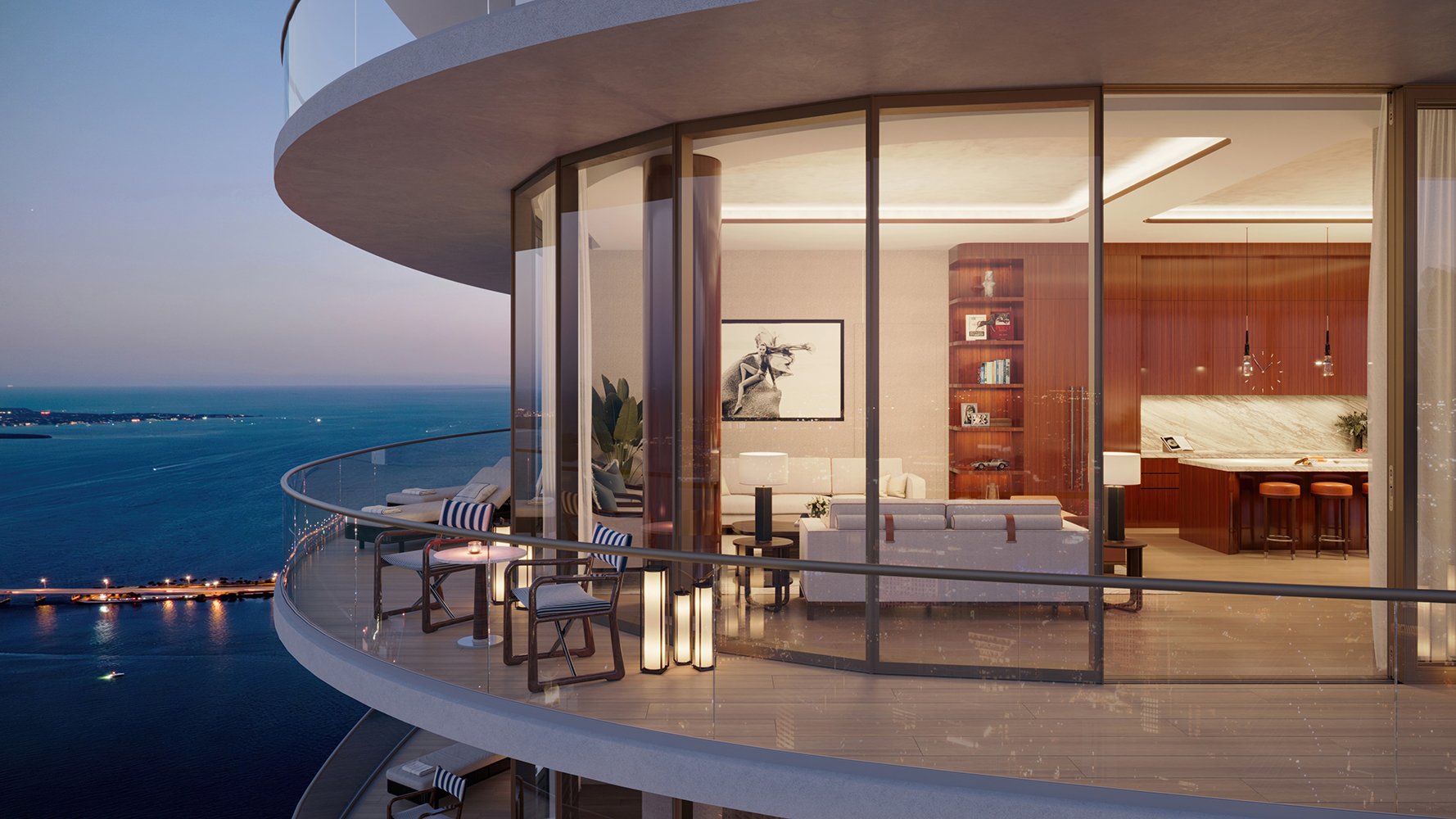
For a buyer who entertains regularly, residential hospitality means more than a restaurant downstairs. It means hosting comfortably, keeping arrivals discreet, and understanding the bill before invitations go out. A private lobby, an in-home chef, and a reservable dining room each serve a different purpose. None alone establishes a fully private, fully priced entertaining experience.
W Pompano Beach Hotel & Residences and Cipriani Residences Brickell present two distinct propositions. W advertises a broad hotel-service ecosystem with private residential access. Cipriani more explicitly connects dining and catering to resident exclusivity. The practical comparison is not which name sounds more luxurious, but which advertised arrangement fits a household's hosting habits-and can be confirmed in writing.
These are advertised offerings, not independently verified operating arrangements. Final access rights, staffing, booking policies, and charges should be checked against condominium documents, rules, budgets, and hospitality agreements.
At W Pompano Beach Hotel & Residences, the advertised services include in-residence dining, catering, personal chefs, grocery shopping, housekeeping, and private transportation. Childcare, dog walking, and plant care extend the proposition beyond the dinner table. For an owner planning a gathering, the appeal is the potential to coordinate several household needs through these services.
The privacy distinction begins at arrival. W advertises a private resident-only lobby alongside owner-exclusive amenities, including a pool deck, outdoor barbecue, owners' club lounge, and fitness center. The advertised offering also gives owners access to hotel meeting and event rooms, The Living Room, WET® Pool Deck, AWAY® Spa, FIT® Gym, valet parking, and in-residence dining.
Those categories should not be conflated. The Living Room is marketed as a social hub with cultural events, live music, a speakeasy, and culinary tastings-not as an exclusively resident-only private dining venue. Access to hotel event rooms likewise does not establish exclusive use, preferential booking, or a resident-only guest route.
W advertises restaurant and event reservations, but the offering does not establish a standard private-dining package or catering menu. Buyers should ask whether their intended dinner belongs in the residence, an owners' space, or a hotel event room, then request the rules and pricing for that setting.
At Cipriani Residences Brickell, advertised features include round-the-clock dining in residences and multiple reservable private dining rooms. In-home dining and 24-hour catering are explicitly described as exclusive to residents, with Cipriani catering available for the private rooms residents can reserve.
The planned offering also includes a private restaurant for residents and their guests, rather than the general public, together with a residents' social lounge intended for intimate dinners and events. That is a more explicit statement of dining exclusivity than access to a hotel's broader social spaces.
Still, resident exclusivity is not an unrestricted hosting entitlement. It does not establish room capacity, guaranteed availability, exclusive staffing, acoustic separation, or guest-registration procedures. Nor should Cipriani's broader private-dining offering be treated as confirmation that every celebration or corporate event format is available at the Brickell residences.
For a buyer whose priority is recurring private dinners, the follow-up should be precise: which room can be reserved, by whom, for what kind of gathering, and under which final operating terms?
A meaningful privacy test follows the entire evening. Ask how guests arrive, where they check in, which elevators they use, and whether their route intersects with public-facing spaces. A resident-only lobby provides valuable separation, but does not by itself establish discreet access to every dining or event venue.
Inside the room, clarify sound isolation, adjacent activity, staff circulation, and whether the space is exclusively yours throughout setup, dining, and cleanup. For an in-residence dinner, confirm how chefs, servers, deliveries, and equipment enter the building and leave afterward.
These are questions to resolve, not established deficiencies at either project. A quiet family celebration and a confidential executive dinner can require different arrangements. Buyers should describe their intended use rather than rely on the word private to answer every operational question.
Neither project's advertised dining offering establishes standardized service-charge percentages or all-inclusive event pricing. It remains unspecified whether W's in-residence dining or catering automatically carries service charges, delivery fees, gratuities, or event-management fees. The same uncertainty applies to whether Cipriani's resident dining or catered events automatically include gratuity, administrative fees, or service charges.
Missing disclosure does not mean there are no fees. Request two itemized sample invoices: one for an in-residence dinner and another for a private-room event, using the same proposed guest count and menu assumptions. This separates venue costs from food, staffing, and logistics.
Ask for each proposal to itemize food and beverage, chefs, servers, bartenders, delivery, equipment, setup, cleanup, administration, and any event-management charge. Request a written explanation of every mandatory charge, whether gratuity is included, and whether additional tipping is optional or expected. Do not assume a line labeled service charge answers those questions.
Also establish which services, if any, are included in ownership-related charges and which are billed separately. The goal is a written total for a defined evening, not simply an attractive menu price.
Before factoring either offering into a purchase decision, confirm minimum spends, room fees, booking windows, deposits, cancellation penalties, and outside-vendor rules. Private-event minimums and dedicated resident-only dining-room booking terms remain unspecified for W. Standard room pricing, food-and-beverage minimums, staffing charges, deposits, and cancellation terms remain unspecified for Cipriani.
Eligibility matters just as much. Clarify which benefits apply to residence owners, suite owners, tenants, hotel guests, and residents' guests. Obtain the applicable guest-registration, elevator-access, and loading procedures, along with written confirmation of who approves an event.
A Pompano Beach buyer also considering The Ritz-Carlton Residences® Pompano Beach can apply the same questions without assuming equivalent dining services. Compare documented entitlements and proposed invoices, not brand associations.
W's advertised appeal is breadth: residential separation combined with access to a wider hospitality environment. Cipriani's is a more explicitly resident-focused dining proposition, including in-home service and reservable private rooms. Neither description alone settles privacy or the final cost of entertaining.
The strongest purchase decision pairs the desired lifestyle with written operating terms. For some households, flexibility across home and hotel settings will matter most. For others, clearly defined resident dining access will take priority. In both cases, the decisive luxury is knowing what can be arranged, who may attend, and what the evening will cost.
Explore South Florida residences with a more precise hospitality brief through MILLION.
If branded residences are on your mind — as a home or as an allocation — we would be glad to share what we are seeing, privately.
Begin a quiet conversationYes. Its advertised services include in-residence dining, catering, personal chefs, and grocery shopping, alongside broader household services.
W advertises a private resident-only lobby. That does not independently establish discreet guest routing to every hotel dining or event space.
It is marketed as a social hub with cultural events, live music, a speakeasy, and culinary tastings, not as an exclusively resident-only private dining venue.
Cipriani advertises round-the-clock in-residence dining, resident-exclusive 24-hour catering, and multiple reservable private dining rooms with Cipriani catering.
The planned private restaurant is described as serving residents and their guests rather than general public clientele. Final access policies should be confirmed in writing.
The reviewed descriptions do not establish standardized service-charge percentages or automatic gratuity terms. Buyers should request itemized proposals rather than assume fees are absent.
Request one for an in-residence dinner and one for a private-room event using comparable guest and menu assumptions. Ask for separate staffing, delivery, setup, cleanup, equipment, and fee lines.
No. Advertised private spaces do not independently establish sound isolation, exclusive staffing, or discreet guest circulation.
Confirm minimum spends, room fees, booking windows, deposits, cancellation penalties, and outside-vendor rules. Guest registration, elevator access, and loading procedures also matter.
The reviewed descriptions do not establish identical eligibility across those groups. Confirm the rights of residence owners, suite owners, tenants, hotel guests, and residents' guests separately.