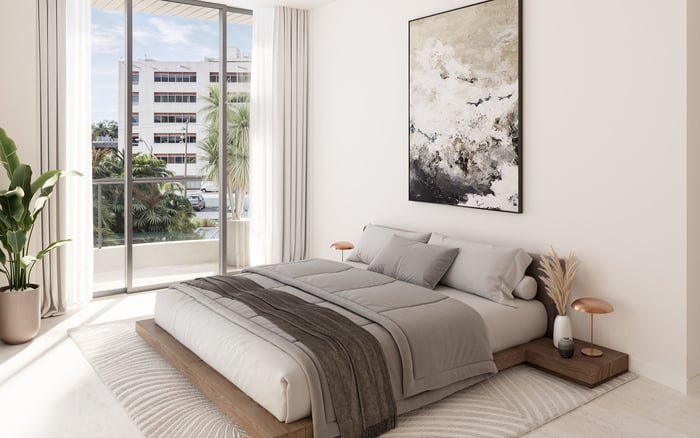
A practical framework for evaluating Alma Bay Harbor Islands as a primary home, focused on usable space, storage, building operations, neighborhood routines, and transaction documents.

A primary residence must support ordinary routines as effectively as special occasions. When evaluating Alma Bay Harbor Islands, translate the floor plan into the household’s actual patterns: arriving with groceries, working privately, hosting guests, doing laundry, receiving deliveries, and storing possessions.
Create a written brief before comparing residences. Separate essential requirements from preferences, then note which items must be confirmed through current plans, specifications, disclosures, and contract documents.
Review interior and outdoor areas separately. Place scaled furniture on the plan and check wall lengths, door swings, circulation paths, structural elements, mechanical areas, and the relationship between private rooms and shared living spaces.
Assign a purpose to every room. A secondary bedroom might need to function as an office, gym, library, guest room, or flexible family space. Test whether several household activities can occur at the same time without avoidable visual or acoustic conflict.
List what must be stored at the entry, in the kitchen, within bedroom wardrobes, near the laundry area, and elsewhere in the residence. Include luggage, linens, cleaning supplies, seasonal items, bicycles, sports equipment, and countertop appliances where relevant.
Do not rely on labels alone. Request dimensions and confirm shelf depth, hanging space, drawer capacity, access conditions, and any rules governing storage outside the residence.
Privacy depends on more than the distance between residences. Ask how residents, guests, vendors, household staff, deliveries, and service personnel enter and move through the property.
Review package procedures, elevator access, service routes, guest protocols, security practices, staffing expectations, and contingency planning. Confirm every operational point for the specific residence rather than assuming that marketing language applies uniformly.
Shared amenities should be assessed according to expected use. Review access hours, reservation procedures, guest rules, maintenance responsibilities, weather limitations, and the route from the residence to each space.
Also verify parking allocation, guest parking, bicycle storage, pet provisions, package handling, and recurring costs. Obtain current written information for the residence under consideration instead of applying details from another home.
A South Florida primary-home decision should reflect repeated daily travel rather than map distance alone. Visit during weekday commutes, evenings, and weekends, then repeat routes used for work, school, healthcare, shopping, dining, parks, and other routine needs.
Walk and drive where appropriate. Note crossing comfort, shade, noise, active construction, traffic patterns, parking, and the practical time required to move from the residence to each destination.
A consistent comparison set can expose trade-offs. Review Alana Bay Harbor Islands, The Well Bay Harbor Islands, and Onda Bay Harbor using the same checklist applied to Alma.
Compare usable interior space, storage, privacy, parking, shared-space reliance, recurring costs, documents, and timing. The objective is not to identify a universal winner, but to determine which option best matches the household’s requirements.
Test the anticipated transaction and occupancy schedule against any lease, home sale, school calendar, financing plan, moving arrangements, and furniture lead times. Maintain a practical alternative if timing changes.
Qualified advisers should review the contract, deposit structure, contingencies, substitution provisions, inspection rights, closing obligations, and available remedies. Final decisions should rely on current governing and transaction documents.
How should buyers begin evaluating Alma as a primary residence? Start with a written household brief covering space, storage, privacy, parking, routines, and timing.
Why should interior and outdoor areas be reviewed separately? Separating them helps buyers understand how much space supports everyday indoor living and how outdoor areas complement it.
How can a floor plan be tested effectively? Place scaled furniture on the plan and examine circulation, wall lengths, door swings, structural elements, and room relationships.
What belongs in a storage audit? Include wardrobes, pantry capacity, laundry supplies, linens, luggage, cleaning products, seasonal items, bicycles, and equipment relevant to the household.
What building operations should be verified? Review access for residents and guests, deliveries, packages, service routes, security practices, staffing, and contingency procedures.
How should shared spaces be evaluated? Consider actual expected use, access hours, reservations, guest rules, maintenance, weather limitations, and recurring costs.
When should the neighborhood be visited? Visit during weekday commutes, evenings, and weekends to test the routes and conditions that shape daily life.
What should buyers compare with other projects? Apply one checklist to usable space, storage, privacy, parking, shared spaces, costs, documents, and timing.
Which documents should guide a final decision? Use current plans, specifications, disclosures, governing documents, and the proposed contract, reviewed with qualified advisers.
Why is contingency planning important? A backup plan can reduce disruption if transaction, occupancy, moving, or household schedules change.
If you'd like a private walkthrough and a curated shortlist, connect with MILLION.
If branded residences are on your mind — as a home or as an allocation — we would be glad to share what we are seeing, privately.
Begin a quiet conversation