A discreet access plan begins with verified hardware, meaningful credential choices, and documented recovery procedures. For Opus Coconut Grove buyers, this guide separates project details from recommended biometric consent and fallback arrangements.
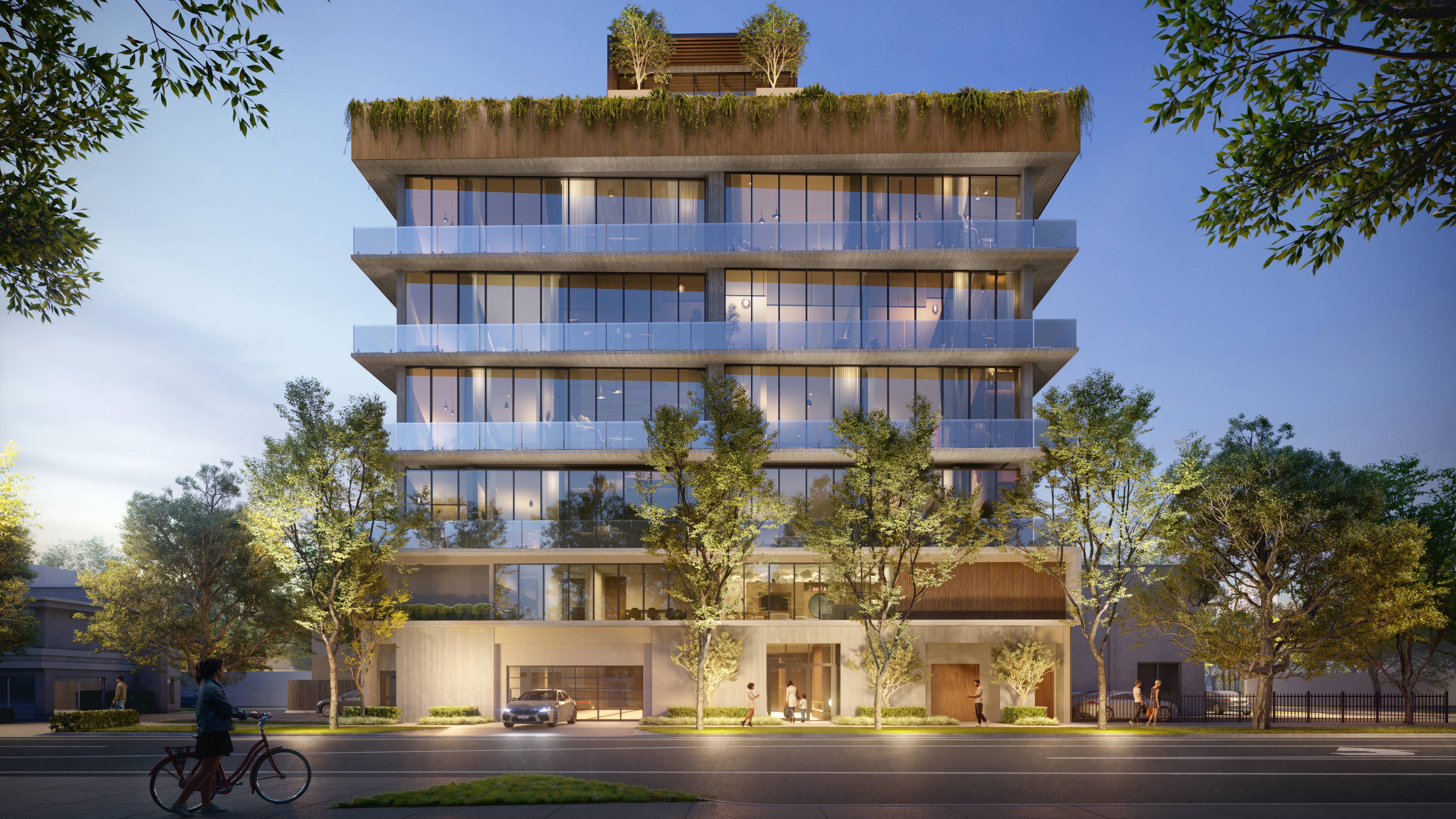
Privacy in a high-value residence is not simply a matter of who may enter. It also concerns what an owner must disclose to gain entry, who controls that information, and what happens when the preferred credential fails. At Opus Coconut Grove, an access plan should begin with those questions-not assumptions about the technology behind the door.
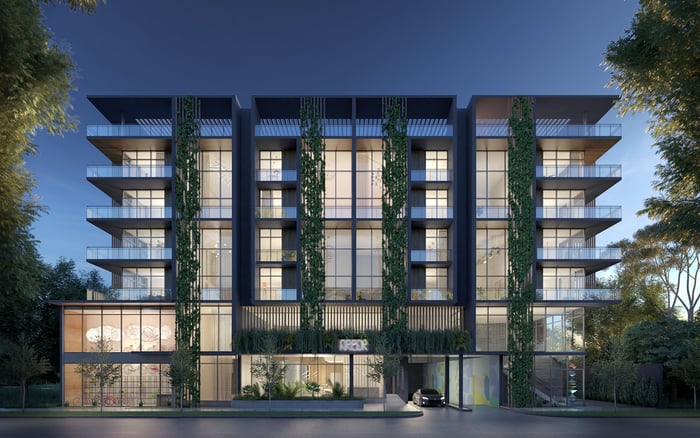
The project’s address is 3137 SW 27th Avenue, Miami, FL 33133. The six-story development comprises 14 residences. Available details do not establish whether fingerprint, facial-recognition, mobile, keycard, or mechanical-key access will be offered. Buyers should therefore treat every access option discussed here as a proposal to verify, not an advertised amenity or established building policy.
The goal is straightforward: convenient daily entry, informed decisions about personal data, and a tested alternative when the preferred method is unavailable.
Ask the project team for a written access schedule covering building entry, any controlled common areas, and the residence itself. Identify which doors share a credential and which require separate authorization. Request the installed or proposed hardware specifications, the identity of the responsible operator, and the procedures governing issuance and replacement.
Keep three matters distinct: what the hardware supports, what management permits, and what the owner may configure inside the residence. A technically possible alternative is not necessarily an approved one. Nor should a private-door solution be assumed to provide access through the building.
For buyers also considering Arbor Coconut Grove, the same written questionnaire provides a useful basis for comparison without presuming that either project uses a particular technology. Compare documented operating arrangements, not the appeal of a device description.
At Opus, project inquiries may be directed to 305-677-8695. Request written confirmation of material answers before making decisions that depend on a particular credential.
If the installed system supports them, propose optional biometrics alongside a nonbiometric daily credential. Potential alternatives include a mobile credential, encrypted fob, keycard, or PIN. None is confirmed for Opus. Before selecting one, understand its restrictions, replacement process, and behavior during an interruption.
Request a demonstration of the alternative along the complete arrival route. An owner who declines biometric enrollment should know whether the substitute reaches the same authorized destinations and introduces any additional verification steps. Ask about issuance charges, replacement arrangements, and differences in access privileges rather than assuming equivalence.
A mobile option warrants a separate privacy question: does biometric verification occur only on the resident’s device, or does the building or vendor receive biometric information? Obtain a system-specific answer before treating phone-based access as a nonbiometric arrangement.
For households evaluating Four Seasons Residences Coconut Grove alongside Opus, credential choice belongs in the same due-diligence conversation as daily household routines. This is a comparison principle, not a statement about either development’s access offering.
If biometric access is offered, request a written enrollment procedure before submitting a fingerprint, facial image, or other identifying measurement. The following is prudent due diligence, not a statement of universally applicable Florida consent requirements or an Opus policy.
Start by identifying the entity responsible for deciding why and how the information is used. Clarify the respective roles of the association, manager, installer, and technology vendor. A buyer should not have to infer accountability from the name on the reader.
Request a disclosure that explains:
What information is collected and whether an image, template, or both are retained.
Why collection is necessary and which access functions it supports.
Where information is stored and which parties may access it.
How long it is retained and what triggers deletion.
How consent may be withdrawn and alternative access maintained.
Request that affirmative consent be recorded separately from routine credential issuance. Each person enrolling should receive the relevant explanation and understand the alternative. For guests, household employees, and service providers, ask whether temporary nonbiometric credentials can serve the intended purpose instead.
Finally, request written confirmation of the deletion process after withdrawal, a move, or termination of a service relationship. Do not assume that deactivating entry permission also deletes the underlying information.
Florida’s Digital Bill of Rights treats biometric data used to uniquely identify an individual as sensitive data. Its controller obligations, however, depend on revenue thresholds and specified business activities. They do not automatically apply to every organization that collects personal information.
An association, property manager, and access vendor should each be assessed by role and statutory coverage. Counsel should determine which obligations apply to the actual arrangement before anyone describes a proposed consent form as legally sufficient or mandatory.
Florida’s breach-notification framework is a separate consideration. Its definition of personal information includes specified unique biometric data when paired with an individual’s name or initials. The framework requires covered entities and third-party agents to take reasonable measures to protect electronic data containing personal information.
The 2019 proposal for a Florida Biometric Information Privacy Act should not be treated as enacted law establishing condominium consent requirements. The practical response is careful legal review paired with explicit operating procedures-not reliance on a proposed bill.
If supported and permitted, request an owner-controlled physical fallback and document its custody. Confirm precisely which doors it opens and what dependencies remain. A spare credential should not be called an emergency solution until management has explained how it behaves during power or network loss.
Before occupancy, arrange supervised tests of phone loss, a depleted phone battery, reader failure, and unavailable connectivity. Ask the authorized team to demonstrate approved recovery procedures rather than attempting to disable equipment yourself.
Request a lockout contact, an identity-verification procedure, and a clear explanation of after-hours availability. Concierge verification and emergency overrides are possible arrangements to discuss, not confirmed Opus services. Establish how lost credentials are revoked and how replacements are delivered when an owner is away.
The final handover should bring together approved credentials, issuance and revocation procedures, privacy disclosures, any consent records, fallback instructions, and supervised test results. Store sensitive recovery details securely rather than circulating them with general household instructions.
For a Coconut Grove residence, the most valuable outcome is not the widest choice of entry technologies. It is a clear arrangement that respects personal choice and remains workable when everyday conveniences fail.
For a discreet perspective on preparing your next South Florida residence, explore MILLION.
If branded residences are on your mind — as a home or as an allocation — we would be glad to share what we are seeing, privately.
Begin a quiet conversationThe supplied information does not confirm biometric access at Opus. Buyers should obtain written confirmation of the system and available credentials.
The project address is 3137 SW 27th Avenue, Miami, FL 33133.
Opus is a six-story development with 14 residences.
Ask about mobile credentials, encrypted fobs, keycards, and PINs, subject to system support and management approval. None of these options is confirmed for Opus.
Optional enrollment with a practical nonbiometric alternative is the recommended planning approach if the system supports it. This is not a statement of an established Opus policy or a universal Florida mandate.
Request details about collection, purpose, storage, access, retention, deletion, and the responsible entities. The procedure should also explain withdrawal and alternative entry arrangements.
Coverage is not automatic: it depends on statutory thresholds, specified business activities, and the entity’s role. An association, manager, or vendor requires individual assessment.
Yes, its personal-information definition includes specified unique biometric data paired with an individual’s name or initials. It also requires covered entities and third-party agents to take reasonable protective measures for electronic personal information.
Arrange supervised checks for phone loss, depleted batteries, reader failure, and power or network interruptions. Confirm the approved recovery route and how lost credentials are revoked.
The project inquiry number is 305-677-8695. Request written confirmation of credential options, privacy procedures, and lockout arrangements.