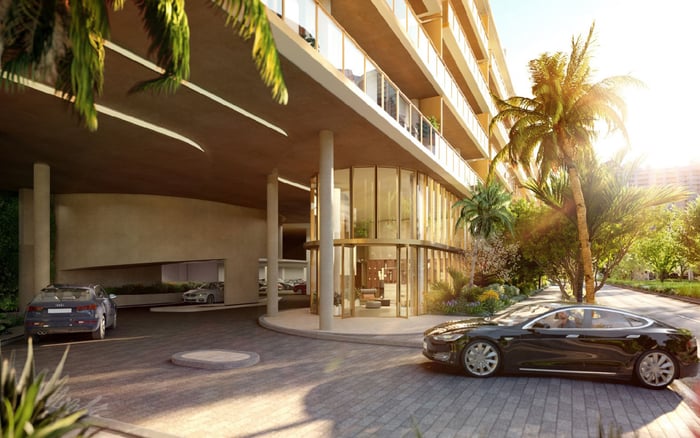
A discreet post-storm planning framework for Aston Martin Residences owners, separating association access, private-vendor authorization, municipal inspections, and restoration decisions.
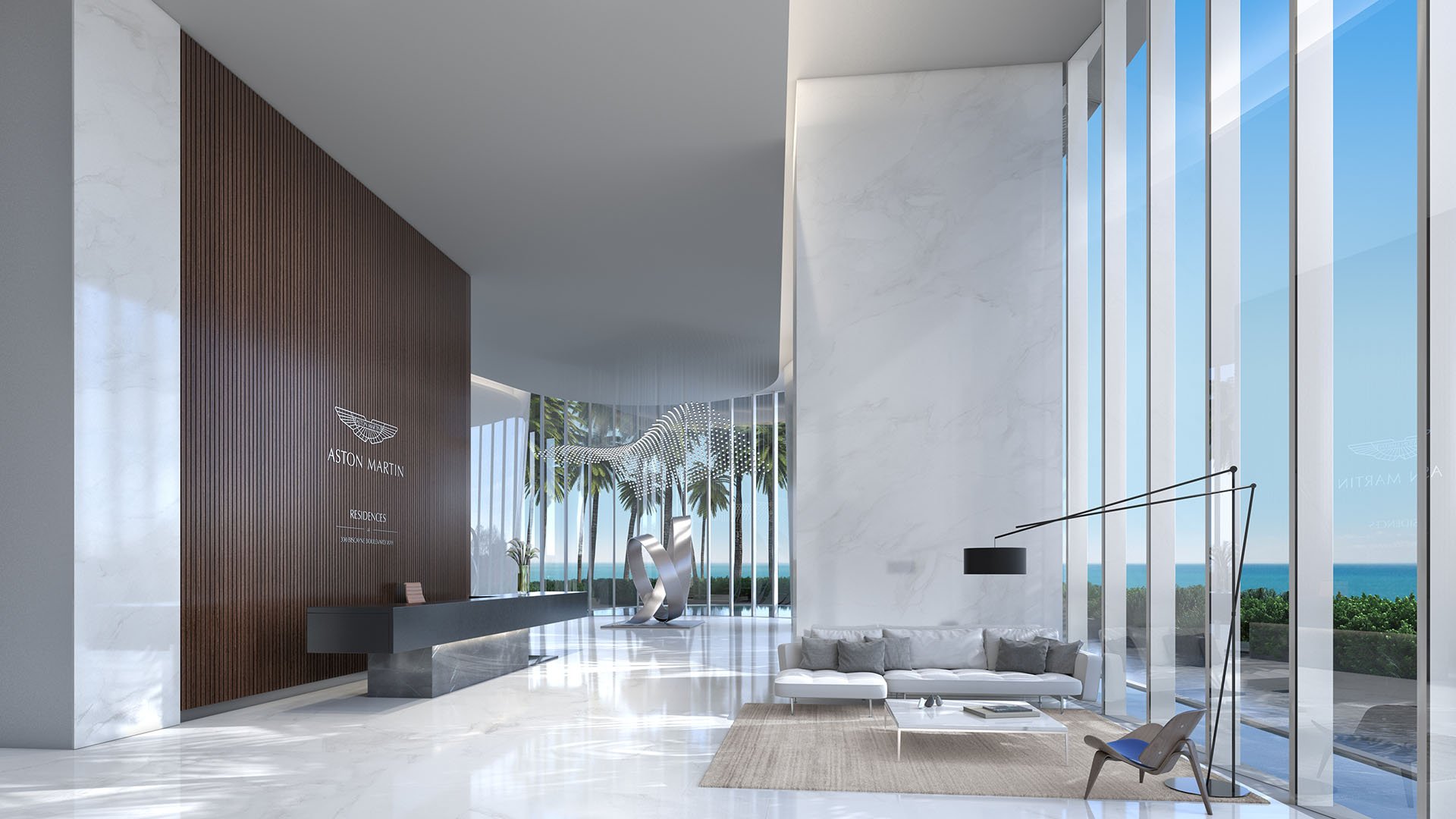
For an owner at Aston Martin Residences Downtown Miami, post-storm preparation begins with authority, not a contractor’s arrival time. Before anyone assesses finishes or schedules repairs, establish who may enter, for what purpose, and under whose direction. The objective is to protect the residence without confusing private ownership with control over shared building systems.
Three decisions require separate treatment: association access for legally defined purposes, owner authorization for private vendors, and governmental inspection or clearance requirements. None substitutes for another. A restoration appointment does not establish permission to enter, and unit access does not establish permission to begin work.
Treat this as an owner’s planning framework, not the building’s operating procedures. Obtain current management instructions before arranging entry, deliveries, or work.
Florida condominium law gives an association an irrevocable right of access during reasonable hours when necessary to maintain, repair, or replace common elements or association-maintained components within a unit. That authority also extends to preventing damage to common elements or another unit.
The scope matters. This is a purpose-limited right, not unrestricted entry for every employee or outside contractor. For an association-directed visit, ask management to identify the purpose, the personnel attending, and how findings will reach the owner or designated representative. These are coordination requests, not a means of obstructing lawful access.
Key custody is a separate question. The law does not specifically require an owner to provide the association with a key, but the statutory access right remains. The absence of a statutory key requirement does not eliminate access obligations. Confirm the applicable building arrangements and seek legal advice if a dispute arises.
Florida law also permits a condominium board to operate hurricane-protection systems without owner permission when necessary to protect condominium or association property. Keep that authority distinct from an owner’s instructions to a private restoration team.
Owners who may be away when a storm passes should consider preparing a concise authorization document before travel. Identify the residence, primary contact, backup representative, and authorized private vendors. Define whether each assignment covers observation, documentation, estimating, or approved work, and specify spending limits and escalation contacts.
This document is a coordination aid, not a building admission credential. Ask management how owner authorizations must be submitted and accepted. Confirm key or credential handling, identity checks, access hours, and escort requirements. Do not assume concierge contact alone resolves these questions.
The instructions should distinguish permission to inspect from permission to move possessions, open finishes, or undertake repairs. For valuable interiors, ask the team to document conditions before intervention whenever safe and practicable. Keep access credentials out of broadly circulated vendor correspondence.
Owners considering One Thousand Museum Downtown Miami can apply the same diligence questions without assuming neighboring properties share access arrangements. Evaluate each residence’s written procedures independently.
Before a vendor submits an inspection request or permit application, confirm which authority has jurisdiction over the proposed work. City and county channels are not interchangeable simply because the residence is in Miami-Dade.
The City of Miami Building Department’s general-information number is 305-416-1100; unsafe-structure inquiries go to 305-416-1177. Use these contacts to clarify the appropriate route for building questions rather than relying on a contractor’s preferred scheduling system.
Miami’s post-storm inspections may be scheduled within 24-48 hours after a request, subject to weather and safety conditions. This is a conditional scheduling window, not a promise of a completed inspection, approved repairs, or re-entry. Virtual options or extended hours may be available where feasible.
Where county jurisdiction applies, Miami-Dade offers online inspection scheduling and an automated telephone service at 305-591-7966. Direct county building inquiries to 786-315-2000. Routine county inspection hours are 8:00 a.m. to 3:30 p.m., Monday through Friday; that schedule is not a post-storm attendance guarantee.
A vendor’s availability matters only when it aligns with safe access and current building instructions. Before dispatch, ask management to confirm any registration, insurance-certificate, escort, service-elevator, loading, and debris-removal requirements. These are questions to resolve, not established Aston Martin Residences policies.
Consider maintaining a single owner-side coordination sheet with each vendor’s scope, personnel, contact details, requested arrival, and approval status. Separate association-directed work from privately commissioned work. Where scopes intersect, seek clarification before authorizing invasive activity or work affecting shared components.
For a household evaluating Baccarat Residences Brickell alongside a Downtown Miami residence, this provides a useful comparison framework: ask how permissions and responsibilities are documented at each property. A branded address should never substitute for written confirmation.
Ask vendors to distinguish assessment costs from repair proposals. An inspection appointment should not silently become an open-ended restoration mandate.
An owner-side plan can organize recovery into three stages: assessment, stabilization, and restoration. This is a suggested sequence, not a confirmed building protocol. Every stage remains subject to safe conditions, management instructions, and applicable approvals.
During assessment, request a dated condition record, photographs where appropriate, and a clear account of what was and was not examined. Ask qualified professionals to distinguish observed conditions from suspected causes. Do not treat a limited visual visit as a comprehensive structural or systems evaluation.
For stabilization, obtain a defined scope addressing immediate damage-control needs. Clarify who authorizes the work, whether association coordination is necessary, and which documentation to retain. Where conditions suggest danger, follow official restrictions rather than dispatching a private team into an unsafe area.
For restoration, approve the scope, materials, responsibilities, and relevant permit or inspection steps before scheduling finish work. Keep invoices, photographs, communications, and completion documents together. The aim is a coherent record of decisions, not merely a polished final appearance.
Age-based building recertification serves a different purpose from immediate post-storm assessment. The applicable county framework calls for recertification at 25 years, then every 10 years, for condominium and cooperative buildings at least three stories tall, within three miles of the coastline, and built on or after 1998. That framework does not establish clearance to reoccupy a storm-damaged residence.
For the owner, the final discipline is simple: keep access, assessment, work authorization, and occupancy decisions separate until the responsible parties have resolved each. A well-prepared residence needs more than a vendor roster; it needs clear instructions governing when that roster may act.
For a considered approach to South Florida residential ownership, explore MILLION.
If branded residences are on your mind — as a home or as an allocation — we would be glad to share what we are seeing, privately.
Begin a quiet conversationFlorida condominium law provides access during reasonable hours when necessary for specified maintenance, repair, replacement, or prevention of damage to common elements or another unit.
The law does not specifically require owners to provide a key, but the association’s statutory access right remains. Confirm the applicable building arrangements separately.
No. Association access is purpose-limited, while an owner’s private-vendor authorization and the building’s admission process must be addressed separately.
Yes, when necessary to protect condominium or association property. That authority is separate from an owner’s authorization for private restoration work.
Consider identifying the residence, authorized representatives and vendors, scope of permission, spending limits, and escalation contacts. Confirm management’s submission and acceptance requirements before relying on it.
No. Inspections may be scheduled within that window after a request, subject to weather and safety conditions; it is not a guarantee of completion or re-entry clearance.
General building inquiries go to 305-416-1100, and unsafe-structure inquiries go to 305-416-1177. Confirm jurisdiction before directing applications or inspection requests.
The county offers online scheduling and an automated telephone service at 305-591-7966. Published inspection hours are 8:00 a.m. to 3:30 p.m., Monday through Friday, not a guaranteed post-storm schedule.
Ask management about current admission, registration, insurance-certificate, escort, elevator, loading, and debris-removal requirements. These are planning questions, not confirmed Aston Martin Residences procedures.
No. Age-based recertification is separate from immediate storm assessment and does not establish clearance to reoccupy a storm-damaged residence.