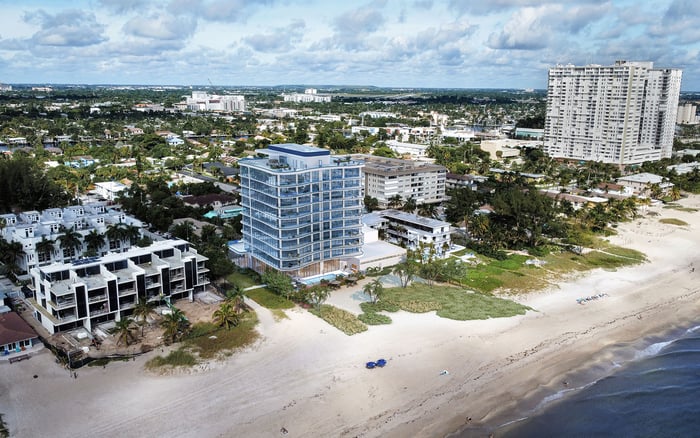
A due-diligence framework for luxury buyers comparing Pompano Beach and Hillsboro Beach through entertaining needs, private dining operations, guest circulation, and event-week privacy.
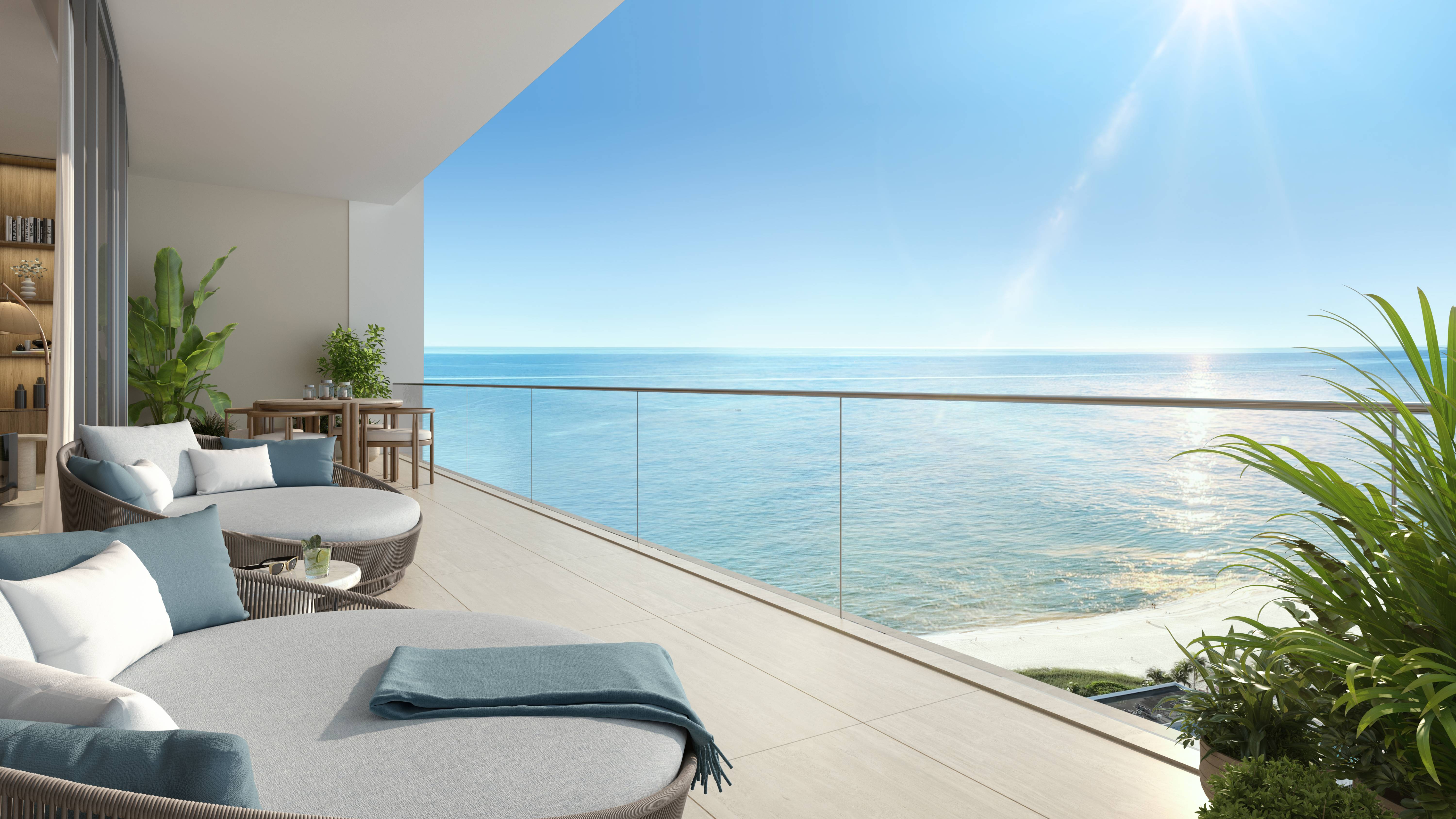
The meaningful choice between Pompano Beach and Hillsboro Beach is not simply a choice between neighboring stretches of Broward coastline. For a buyer who entertains, the more useful question is how a particular residence and its shared spaces perform when a quiet dinner expands, visiting friends need separate gathering areas, or peak demand places pressure on entrances, parking, elevators, dining venues, and beach access.
Start by defining the desired hosting model. Some owners want multiple shared settings outside the residence, while others prefer to entertain almost entirely at home. A third group may want both options but expects strict separation between household life and guest activity. Those preferences should determine which operating details deserve the greatest scrutiny.
Privacy is not the absence of guests; it is the ability to control where they go.
Pompano Beach buyers can place several residential projects on the same due-diligence grid. Potential comparison points include W Pompano Beach Hotel & Residences, Waldorf Astoria Residences Pompano Beach, and Ocean 580 Pompano Beach. The purpose of this shortlist is not to assume that their operations are interchangeable. It is to ask the same questions at each property and compare the answers without changing standards from one tour to the next.
For every candidate, identify the spaces that could support a breakfast meeting, cocktails, a seated meal, or a larger reception. Then verify which areas are private, shared, reservable, or subject to changing availability. Ask who controls reservations, how far ahead an owner may book, whether guest limits apply, and what happens when demand is unusually high.
The physical sequence matters as much as the room itself. Trace the route from vehicle arrival to reception, elevator, dining space, restrooms, and departure. A polished entertaining area may be less useful if guests must cross private residential circulation or if service staff lack a discreet route for deliveries, setup, and cleanup.
Buyers should assess actual habits rather than an idealized social calendar. An owner who hosts small dinners needs a different arrangement from someone planning frequent receptions. The first may prioritize acoustic separation, a practical kitchen, and convenient powder-room placement. The second may place greater weight on reservable shared areas, vendor access, parking coordination, security procedures, and the ability to keep guests outside the residence.
Create several realistic scenarios before touring. These might include a family dinner, a catered gathering, an afternoon near the water, and an evening with overlapping visitor and vendor arrivals. For each scenario, note where people wait, how food and equipment move, which doors and elevators they use, and where household privacy could break down.
This approach also prevents amenity counts from dominating the decision. A well-managed room with workable access and clear rules can be more useful than a dramatic space with narrow booking windows or difficult service circulation. Buyers should evaluate usability, not just presentation.
Hillsboro Beach should be assessed through the same disciplined process rather than through broad assumptions about privacy. Rosewood Residences Hillsboro Beach can be included in a direct comparison, but conclusions should rest on verified residence plans, access controls, staffing arrangements, guest procedures, and reservation terms.
During a visit, walk the full route from the curb to the residence and any relevant shared spaces. Determine where visitors wait, how service providers enter, where deliveries are screened, and whether guest movement can be separated from private household areas. If most entertaining will occur inside the home, examine circulation between formal and family spaces, bedroom-corridor separation, sound control, catering access, and restroom placement.
The distinction between privacy and isolation is useful here. Some buyers want service and shared spaces nearby but carefully managed. Others prefer fewer common areas and greater reliance on the residence itself. Neither approach is universally better; the appropriate choice depends on how the owner expects to host and how much operational support that hosting requires.
A private dining room should be evaluated as a working system, not merely as an interior. Confirm whether the space is available, who may reserve it, whether it is shared, and how booking priority is determined. Request the applicable guest limits, fees, deposits, cancellation terms, cleaning requirements, vendor restrictions, and service hours in writing.
Kitchen descriptions also require clarification. Ask what equipment may be used, how food is stored and plated, whether outside caterers are permitted, and where staff enter and exit. Confirm the rules governing deliveries, alcohol service, cleanup, waste removal, and equipment collection. If any part of the plan depends on property staff, determine what services are actually available and how they are scheduled.
The Ritz-Carlton Residences® Pompano Beach may also be placed on the comparison list. As with every candidate, buyers should rely on current documents and direct confirmation rather than inferring access, priority, or service standards from branding alone.
Event-week privacy is an operating condition. Ask for written guidance on guest registration, parking and valet procedures, elevator controls, package screening, beach entry, security coverage, noise enforcement, and amenity availability. Determine whether shared areas can be closed, reserved for other uses, or placed on adjusted schedules.
Next, run a tabletop exercise for the busiest evening you realistically expect to host. Map every arrival and departure, including guests, caterers, drivers, and other service providers. Identify possible bottlenecks and note any point where visitors could enter private residential areas unintentionally.
Repeat the exercise with common disruptions: rain, a delayed vendor, limited parking, a crowded entrance, or an unavailable shared space. The goal is not to predict a specific event. It is to determine whether the property has enough operational flexibility to protect the residence when normal routines are under pressure.
Place Pompano Beach and Hillsboro Beach candidates on a single scorecard covering residence layout, reservable space, kitchen capability, service access, guest parking, elevator control, beach circulation, security procedures, noise management, cancellation terms, and peak-period exceptions. Weight each category according to the buyer’s real behavior rather than treating every feature as equally important.
Document the source and date of each answer, especially when policies may change. Distinguish between written rules, staff explanations, and personal observations during a tour. Any uncertainty affecting privacy or hosting should remain open until the appropriate property representative provides confirmation.
The strongest choice will be the property that makes discretion repeatable: guests know where to go, vendors can work without crossing household space, and the owner retains a private retreat even when shared areas are busy. For a confidential review of South Florida residences aligned with your entertaining and privacy priorities, connect with MILLION.
If branded residences are on your mind — as a home or as an allocation — we would be glad to share what we are seeing, privately.
Begin a quiet conversationDefine how often, where, and at what scale you expect to entertain. Use those needs to set consistent comparison criteria for each property.
No. Privacy depends on reservation rules, guest access, service circulation, staffing, and separation from residential areas.
Confirm available equipment, food storage and plating areas, vendor access, service hours, cleanup rules, and any restrictions on outside caterers.
They can use suitable shared spaces when access, reservations, guest limits, and service arrangements have been verified.
Elevator procedures can affect whether guests and vendors remain separate from private residential circulation.
Confirm guest registration, parking, amenity availability, beach access, elevator procedures, security coverage, noise rules, and cancellation terms.
No. Buyers should evaluate current operating rules, service availability, access controls, and circulation rather than relying on branding alone.
Assess each property through its layout, staffing, access controls, guest procedures, shared-space rules, and service routes.
Map realistic guest and vendor movements from arrival through departure, then repeat the exercise under peak-demand or disrupted conditions.
Prioritize documented rules, discreet circulation, practical hosting spaces, and an operating model aligned with the owner’s actual social calendar.