For primary-residence buyers at The Berkeley Palm Beach, homestead planning begins with the closing calendar. Title, permanent occupancy, domicile evidence, and the January 1 eligibility test must be coordinated as one sequence.
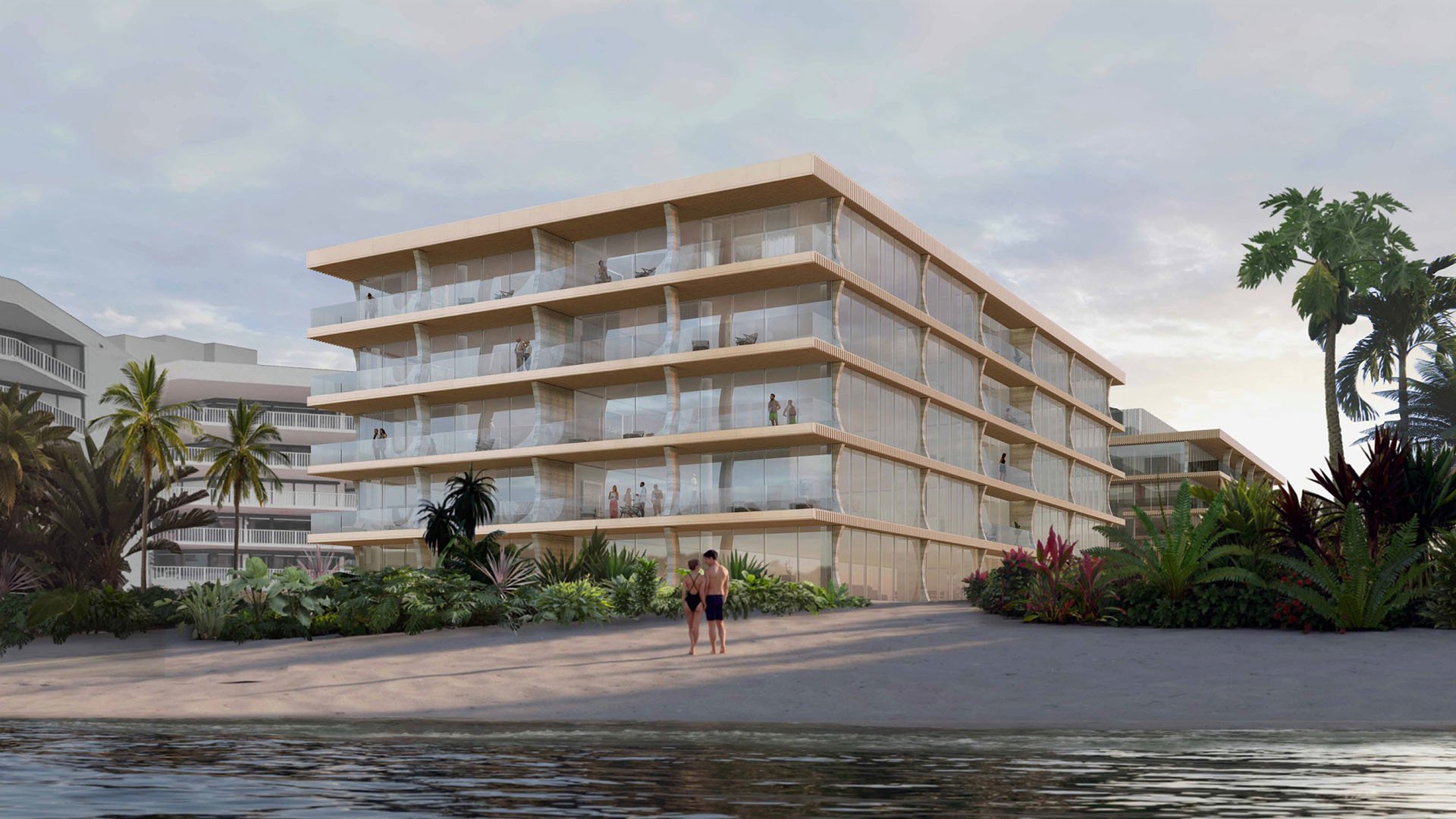
For a primary-residence buyer at The Berkeley Palm Beach, the most consequential date may not be the reservation date, contract date, or anticipated delivery year. It is January 1, when the ownership and permanent-residence conditions for Palm Beach County homestead exemption must be in place for the relevant tax year.
The Berkeley is planned as a 25-story waterfront condominium with 193 residences at 550 South Australian Avenue, west of downtown West Palm Beach. Designed by Arquitectonica and developed by Al Adelson, the Clear Lake property offers two- to five-bedroom residences priced from $2 million to more than $10 million. Its proximity to Palm Beach International Airport, I-95, the Kravis Center, and Rosemary Square supports its appeal to buyers making a substantive move rather than acquiring only an occasional retreat.
Design and location, however, do not determine homestead timing. As of January 1, a buyer must hold title, occupy the residence as a permanent Florida home, and avoid incompatible residency-based benefits elsewhere. A deed without permanent occupancy is not enough.
For homestead planning, title and permanent occupancy must converge before January 1.
The cleanest strategy is to select the first tax year for which homestead is desired, then work backward. To seek the exemption for that year, the buyer should plan to close, take title, and begin permanent occupancy no later than the end of the preceding year. The regular filing deadline is March 1, but that deadline cannot remedy a failure to satisfy the January 1 test.
A closing after January 1 generally pushes eligibility to the following tax year. The same applies when the deed records before year-end but construction, turnover, or the physical move prevents the residence from becoming the buyer's permanent home by January 1. Domicile forms prepared in advance cannot substitute for ownership and actual residence.
This distinction matters in a pre-construction purchase. Delivery is estimated for 2028, but a general project estimate should not be treated as a unit-specific closing commitment. The purchase agreement, together with notices issued under it, governs the operative schedule. Buyers should ask counsel to identify completion provisions, extension rights, notice periods, inspection timing, and the mechanics leading from turnover to closing.
Once title and permanent occupancy are in place, the buyer should promptly align official records. Common evidence includes a Florida driver's license or identification card, Florida vehicle registration, voter registration, and a recorded Declaration of Domicile. The declaration can strengthen the record, particularly when a more customary document is unavailable, but it supplements rather than replaces the underlying facts.
The homestead application also requires property and identity information. Buyers should keep an accessible copy of the recorded deed and be prepared to provide Social Security numbers for the applicant and spouse. Before filing, review names, marital information, addresses, and dates for consistency.
A practical sequence is:
Complete closing and take title.
Establish genuine permanent occupancy.
Update Florida identification, vehicle, voting, and related records.
Record a Declaration of Domicile when appropriate.
Confirm that no conflicting residency benefit remains elsewhere.
Satisfy all conditions on January 1 and file by March 1.
This sequence demonstrates a good-faith intention supported by conduct. For affluent households with several residences, the file should present one coherent account of which home is permanent.
A primary-residence strategy requires more than adding Florida documents. Claiming homestead on another property conflicts with the position that the Berkeley residence is the permanent home. Out-of-state benefits such as STAR, Enhanced STAR, rollback, and abatements are also incompatible with Palm Beach County homestead requirements.
The transition should therefore include a review of benefits attached to the departing residence. Florida counsel and the buyer's tax adviser can coordinate the closing, physical move, termination of conflicting benefits, and creation of domicile evidence. This is especially important when spouses own property in different states or household records do not yet reflect the same permanent address.
The goal is not simply to assemble documents, but to avoid contradictory facts. A Florida license paired with an active residency-based benefit elsewhere may weaken the clarity of the position; a timely move and consistently updated records reinforce it.
Because The Berkeley is a new-construction development, a buyer targeting a particular homestead year should raise the January 1 threshold well before the expected closing window. The discussion should distinguish an anticipated construction milestone from the date on which the residence can actually close and support permanent occupancy.
A late-year closing warrants particular scrutiny. The buyer must assess whether sufficient time remains not only to receive title, but also to occupy the residence as a permanent home and align key records. If a delay carries the closing into January, the buyer should assume that domicile paperwork alone will not preserve eligibility for the tax year that has just begun.
Buyers comparing the broader West Palm Beach pipeline may also review Alba West Palm Beach, Forté on Flagler West Palm Beach, and The Ritz-Carlton Residences® West Palm Beach. In each case, a primary-residence analysis should remain tied to the specific contract and closing path, not to a generalized market delivery date.
The Berkeley's Palm Beach positioning may make the purchase feel principally driven by architecture and lifestyle. For a buyer making it a permanent home, however, the residency calendar belongs in the acquisition plan from the outset. This perspective distinguishes buyer's guides for primary residents from second-home discussions.
Before signing, identify the desired homestead year and have counsel assess whether the contractual schedule can plausibly support it. Before closing, prepare the move and document updates without suggesting that advance paperwork creates eligibility. After closing, establish occupancy, align official records, resolve outside benefits, and preserve the documents needed for filing.
For a private discussion of The Berkeley and other South Florida residences, connect with MILLION.
If branded residences are on your mind — as a home or as an allocation — we would be glad to share what we are seeing, privately.
Begin a quiet conversationThe buyer must satisfy the ownership and permanent-residence requirements as of January 1 of the relevant tax year.
No. March 1 is the regular filing deadline, while the substantive ownership and permanent-residence test applies on January 1.
No. The unit must also be the owner's permanent residence on January 1.
The buyer generally cannot qualify for that tax year and must wait until the following year, assuming all conditions are then satisfied.
No. Domicile paperwork cannot replace ownership and permanent occupancy by January 1.
Common evidence includes a Florida driver license or ID, vehicle registration, voter registration, and a recorded Declaration of Domicile.
Buyers should retain the recorded deed, along with the required property and identity information.
Conflicting benefits, including another homestead or identified out-of-state residency benefits, are incompatible with Palm Beach County homestead requirements.
A broad project estimate does not establish the buyer's unit-specific completion and closing schedule. The purchase agreement controls the operative timing.
After closing and permanent occupancy, buyers should promptly align licenses, registrations, voting records, and other official records with the new address.