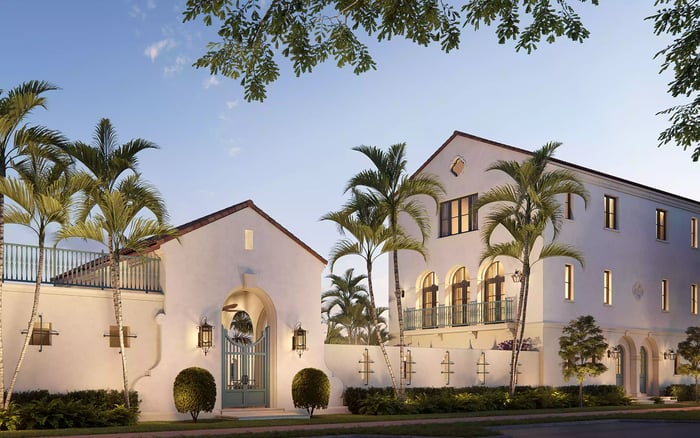
A practical due-diligence guide for evaluating how adjacent construction could affect dust, noise, circulation, and closing expectations when considering a residence at Cora Merrick Park.
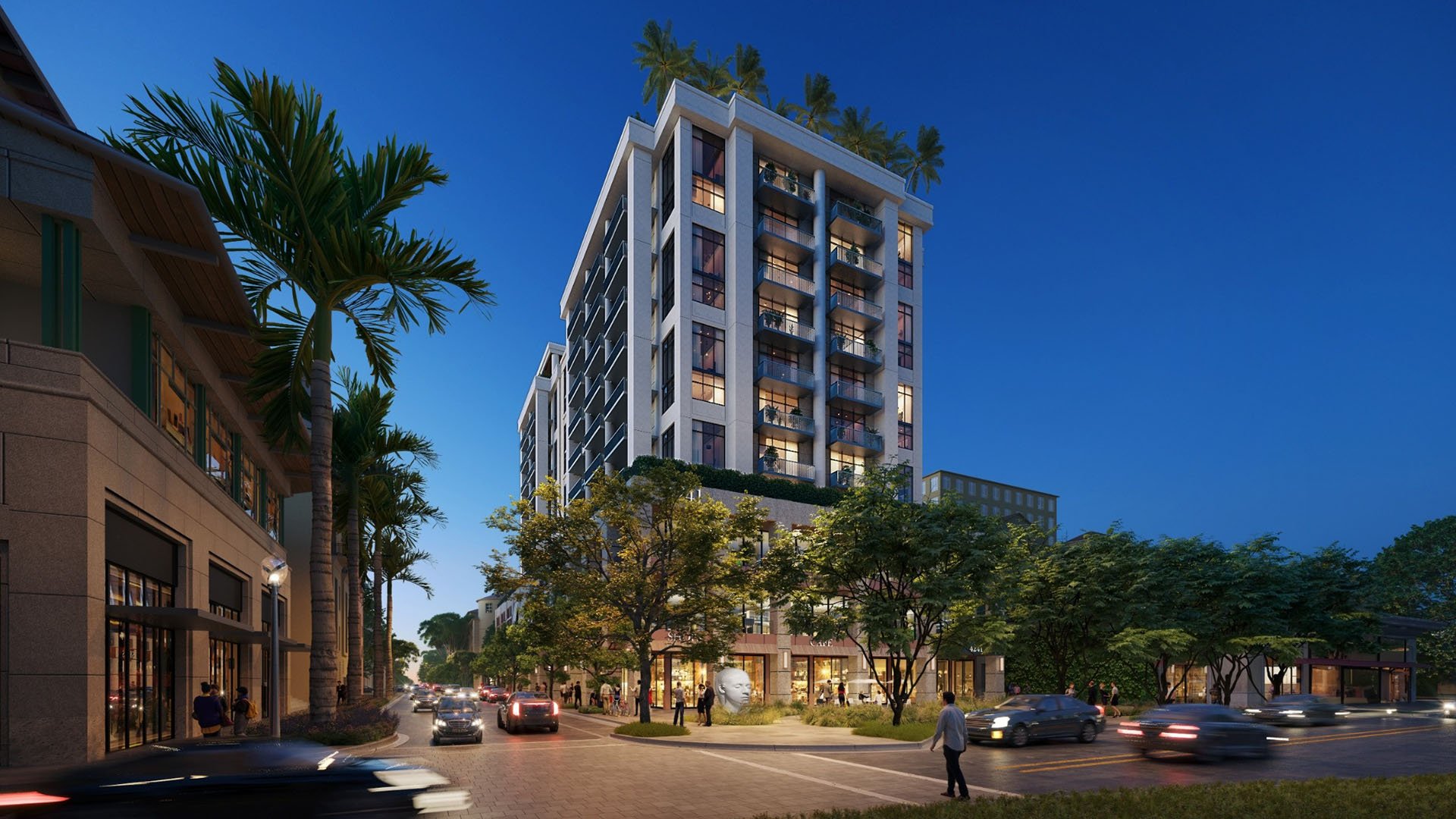
A purchase at Cora Merrick Park should be evaluated at both the residence and neighborhood levels. Adjacent construction can change over time, so conditions observed during one tour may not represent those expected at closing or during the first months of occupancy.
The central task is to separate the finished vision from temporary construction effects. Dust, noise, contractor activity, deliveries, pedestrian detours, and vehicle-routing changes can vary by work phase. Buyers should ask what activity is anticipated around their expected closing and move-in dates rather than relying on a single site visit.
A thoughtful purchase review considers both the completed residence and the temporary conditions surrounding its delivery.
No buyer should assume that nearby work will create a particular level of disruption. The appropriate approach is to document current conditions, request available schedules and specifications, and address material concerns before signing.
Construction effects do not necessarily stop at a project boundary. Work on an adjacent site could influence a route used for daily arrivals, guest access, deliveries, or pedestrian movement even when the primary entrance appears unaffected.
Walk and drive the routes that would matter in daily life. Observe the likely resident entrance, parking approach, guest-arrival area, loading activity, and nearby pedestrian paths. Repeat the review during an active weekday period when contractor and delivery patterns are easier to understand.
Comparisons with other Coral Gables residences can help buyers refine this process. Those reviewing Ponce Park Coral Gables and The Village at Coral Gables can apply the same discipline: inspect the residence, study the surrounding blocks, and evaluate the routes they would actually use. These comparisons should inform the diligence method rather than imply identical construction conditions.
Visible construction activity may prompt concerns about dust, but exterior observations do not establish indoor air quality. A buyer needs project-specific information before drawing conclusions about conditions inside a selected residence.
Request the actual HVAC and filtration specifications available for the unit and building. Ask how fresh-air intake, system commissioning, interior cleaning, and protection of completed spaces will be handled. If furnishings are included, clarify how those items will be protected and what condition is required at turnover.
Buyers exploring wellness-oriented residences such as The Well Coconut Grove should follow the same evidence-based approach. Branding and renderings do not replace written mechanical specifications, cleaning standards, or commissioning information.
People with heightened sensitivity to dust should tell their advisers early in the process. That allows the purchase review to focus on the documents, inspections, and contractual provisions most relevant to the buyer's needs.
Noise should be considered as both a building-performance issue and a schedule issue. Different construction phases can create different sound patterns, and a quiet tour does not establish what a weekday may feel like during another phase of work.
Ask for available information about glazing, exterior-wall assemblies, windows, doors, and other components that may influence acoustic performance. Review the selected residence's orientation and openings rather than making a building-wide assumption. If noise sensitivity is material, discuss whether an independent specialist should review the relevant plans or specifications.
Buyers should also ask what types of exterior or interior work could remain around the anticipated occupancy period. A building that looks visually advanced may still have commissioning, finish, landscape, amenity, or nearby construction activity underway. Written schedules and current updates are more useful than appearances alone.
Temporary access deserves its own review because it affects more than convenience. A buyer should understand how residents, guests, service providers, deliveries, and pedestrians are expected to reach the property while nearby work continues.
Request the current circulation plan and ask whether any temporary routing is anticipated. Review the intended parking entrance, guest drop-off point, loading arrangements, and pedestrian connections. If a route depends on work outside the project boundary, ask who controls that work and how updates will be communicated.
A useful site review includes more than the most attractive approach. Arrive from different directions, walk the nearby blocks, and consider how construction vehicles could interact with ordinary traffic. Document the date and time of each visit because observed conditions are only a snapshot.
Marketing timelines, construction updates, and contractual obligations serve different purposes. The purchase agreement should govern the buyer's legal expectations, including when closing may be required and what level of completion is necessary at that point.
Counsel should review definitions related to completion, closing readiness, common areas, amenities, access, and permissible schedule changes. Buyers should also ask whether work elsewhere in the building or on adjacent property could continue after they are permitted or required to close.
The goal is not to demand certainty where construction sequencing can change. It is to identify the assumptions that matter to the purchase and determine whether they are supported by the contract or other written materials.
A concise diligence file makes the review more reliable. It can include the latest available construction schedule, relevant floor plans, unit orientation, mechanical and acoustic specifications, access information, cleaning standards, and written responses to buyer questions.
Pair those documents with dated observations from site visits. Note the routes used, visible work, delivery patterns, pedestrian conditions, and any questions that remain unresolved. A later visit can help the buyer understand how conditions are evolving without treating either visit as a guarantee of future circumstances.
Before signing, organize unresolved issues by importance. Concerns that could affect health, quiet enjoyment, mobility, move-in logistics, or closing readiness should be raised with the appropriate legal, technical, or real estate adviser. General sales assurances should not substitute for project documents or professional review.
For discreet guidance on evaluating Cora Merrick Park and other South Florida residences, connect with MILLION.
If branded residences are on your mind — as a home or as an allocation — we would be glad to share what we are seeing, privately.
Begin a quiet conversationNearby work could affect dust, noise, deliveries, pedestrian movement, or vehicle access. Conditions should be reviewed in relation to the expected closing and move-in period.
A weekday visit during active work hours can provide a more useful snapshot. A later follow-up visit may show how circulation and construction conditions are evolving.
Buyers should request available HVAC, filtration, fresh-air, commissioning, and cleaning specifications. Unit-specific documents are more useful than general assurances.
Review available glazing, exterior-wall, window, and door specifications for the selected residence. Unit orientation and the timing of nearby work should also be considered.
No. Construction conditions can change by phase, so a visit is only a dated snapshot rather than a guarantee.
Inspect resident parking, guest arrival, loading, delivery, and pedestrian routes. Approaching from more than one direction can reveal issues missed on a standard tour.
It should be reviewed for definitions involving completion, closing readiness, access, common areas, amenities, and schedule changes. Legal counsel can explain how those provisions apply.
It may be possible depending on the project schedule and contract. Buyers should request current information and review the relevant closing provisions.
Include available schedules, plans, specifications, access information, written responses, and dated site observations. Organize unresolved issues by their importance to the purchase.
Buyers can consult appropriate legal, technical, environmental, or acoustic professionals when those concerns are material. The scope of review should reflect the selected residence and available documents.