For Sydney buyers, the right Palm Beach residence should reconcile elegant art-week hospitality with applicable property rules, discreet service circulation, guest privacy, and the practical demands of peak events.
A move from Sydney to Palm Beach is more than a change of climate. For a collector, patron, or executive whose calendar intensifies around cultural events, the property must perform gracefully under pressure. It should receive guests without exposing family life, support professional caterers without turning principal rooms into service corridors, and accommodate arrivals without allowing event logistics to overwhelm the residence.
The purchase should begin with the requirements of a genuine private home. Any contemplated rental, event, or commercial use requires separate review under the rules governing the specific property. A buyer should therefore prioritize long-term personal utility rather than assume that occasional peak-event demand will support a particular ownership strategy.
The best entertaining house protects private life even when the social calendar is full.
“Palm Beach” can describe a broader market, but municipal boundaries materially affect how a property may be used. Confirm whether each candidate is in the Town of Palm Beach, West Palm Beach, or another Palm Beach County jurisdiction before relying on guidance about rentals, events, home-based activity, or property alterations.
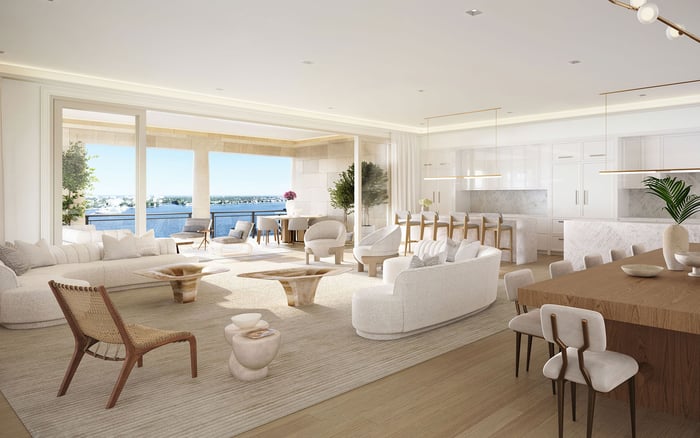
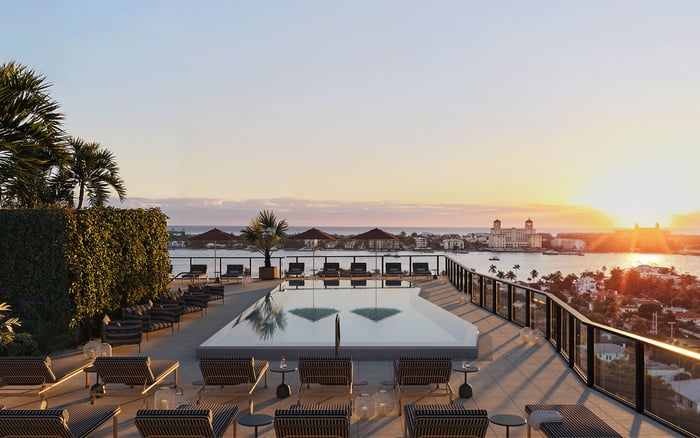
That distinction should shape the search from the outset. Palm Beach Residences can serve as a Palm Beach reference point, while South Flagler House West Palm Beach allows a buyer to consider a separate municipal and ownership context. The comparison should begin with location, property type, governing documents, and applicable controls-not branding or proximity alone.
Local counsel should verify the jurisdiction and investigate the rules relevant to the buyer’s intended use. For a condominium or managed residence, the governing documents and operational policies may be as important as municipal requirements. For an estate, zoning, deed restrictions, access, and physical constraints can determine whether the property supports the desired style of entertaining.
Estate and single-family buyers should assess the complete arrival-to-departure sequence. Screened sightlines, practical off-street vehicle capacity, and a route that keeps staff and deliveries away from the principal entrance are valuable privacy features during busy periods. The goal is to prevent service activity from interrupting either the guest experience or the household’s private routines.
Inside, prioritize separation between entertaining rooms and bedroom areas. Guests should be able to move from the entrance to reception rooms, terraces, dining areas, and powder rooms without passing through family quarters. Caterers benefit from a separate entrance, staging space, storage, a refuse route, and practical access to utilities. Temporary equipment should not obstruct household circulation or weaken the home’s security plan.
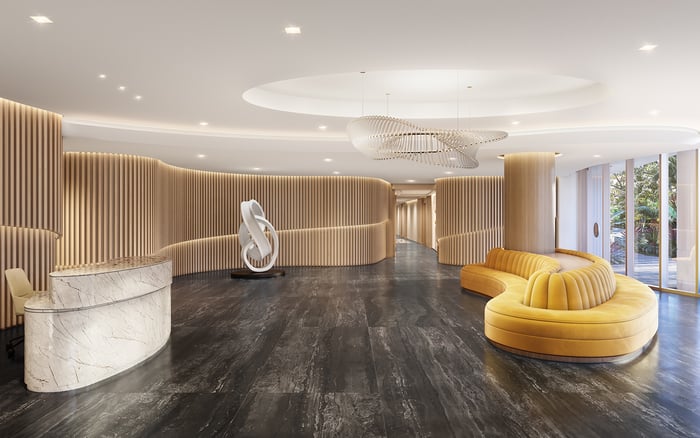
The site matters as much as the floor plan. Review setbacks, landscape buffers, accessory spaces, gates, driveways, and neighboring sightlines before concluding that a residence can support larger gatherings. Counsel should also examine deed restrictions, association or condominium rules, and existing approvals. Buyers considering managed residential alternatives can assess Mandarin Oriental Residences, West Palm Beach against the operational independence of a private estate without assuming that either format permits a specific event use.
A catered gathering should be evaluated according to its scale, frequency, physical setup, staffing, traffic effects, and any commercial dimension. Buyers should not assume that every private occasion is treated identically or that a residence can function like a public hospitality venue. The intended format should be described clearly to local counsel, property management, and the relevant municipal office before commitments are made.
Ask how the applicable rules address temporary structures, amplified sound, bars, generators, valet activity, exterior lighting, deliveries, refuse, and any proposed use of a public right-of-way. If an approval or permit may be needed, confirm the process and timing directly with the authority responsible for the property’s jurisdiction.
Outdoor service also demands neighbor-conscious planning. Noise, lighting, litter, odors, and vehicle activity can affect surrounding homes even when the gathering remains private. The strongest properties provide buffers and service routes that support considerate operation rather than relying entirely on event-day management.
Privacy should be tested at anticipated peak occupancy, not only during a quiet showing. Map where drivers may wait, guests could queue, caterers would unload, and refuse would be held. Review camera placement, gate visibility, landscape screening, exterior lighting, and the ability to secure the bedroom wing without disrupting the event.
A written operations plan can clarify staffing, invitation control, emergency access, vendor arrival windows, household security, and responsibility for neighboring impacts. The plan should be tailored to the residence and checked against current local requirements rather than copied from a venue or another jurisdiction.
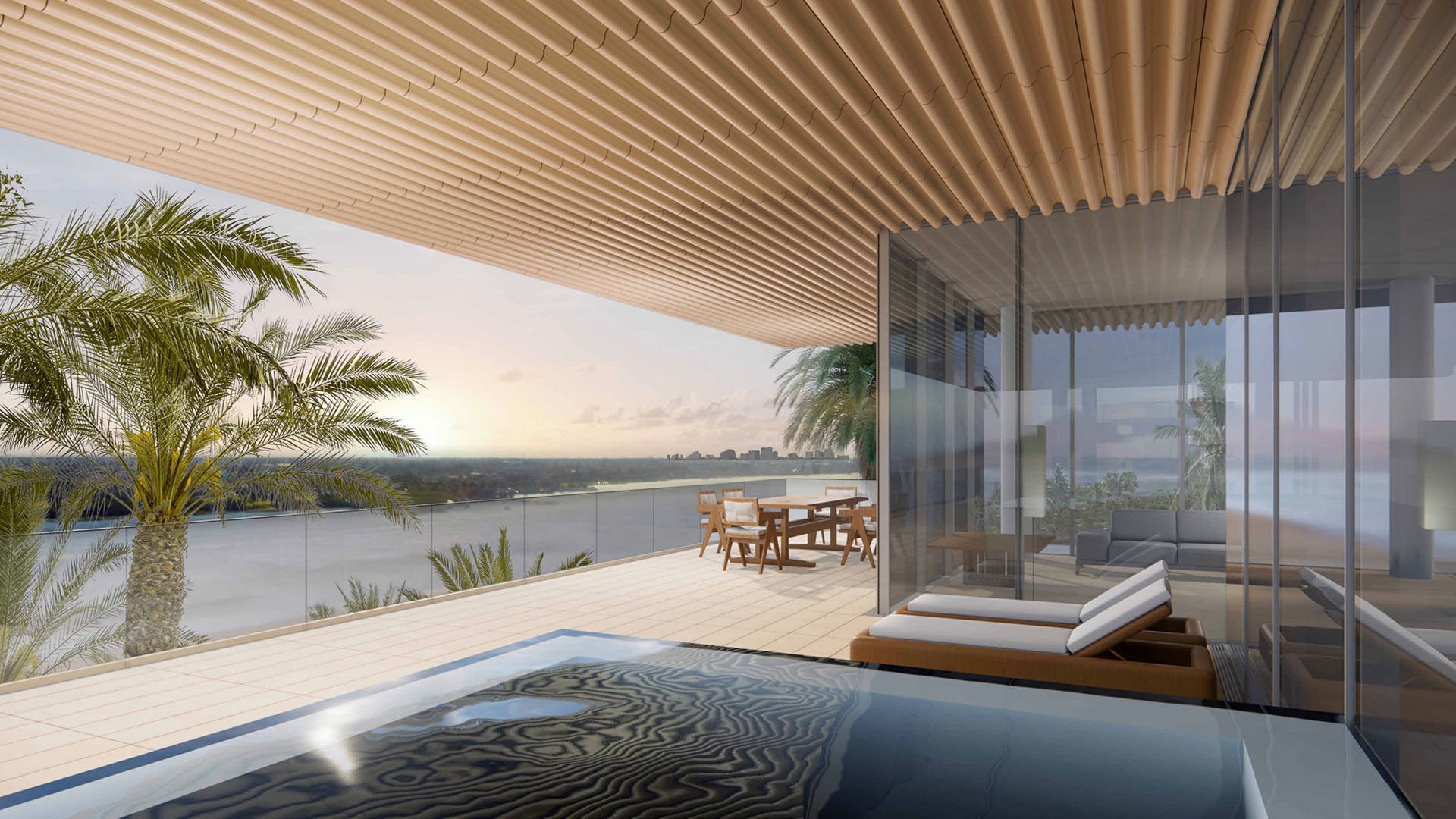
A residence such as Forté on Flagler West Palm Beach offers another basis for comparing a managed building with an estate brief. The relevant question is not which setting appears more social, but which ownership structure, operating framework, and circulation pattern best protect the household when the wider calendar is busiest.
Displaying a private collection for invited guests is not the same as operating a recurring sales, advisory, or showroom venue. Regular appointments, dealer activity, staffing, signage, transactions, or unusual traffic could change how the use is evaluated. A buyer expecting the residence to support art-related business should disclose that intention to Florida land-use counsel before closing.
The same caution applies to sponsorships, ticketing, brand activations, and repeated functions. The guest list, frequency, commercial purpose, and operational footprint all deserve review. A property selected for private hospitality should not be assumed to authorize public-facing or commercial activity.
The final property decision should unite architecture, privacy, and compliance in one diligence program. Have local counsel verify jurisdiction, zoning, deed restrictions, association rules, and existing approvals. Ask an experienced event professional to walk the property as though preparing the largest anticipated private reception, tracing vehicle flow, catering access, power needs, waste handling, security, and neighbor exposure.
The buyer should also obtain written clarification where a proposed use depends on an association policy, building procedure, or governmental interpretation. Rules and administrative practices can change, so current confirmation matters. The ideal Palm Beach residence is not merely impressive when empty; it remains composed when guests arrive, service teams are working, and the household still expects discretion.
For discreet advice on aligning a South Florida residence with your private and social priorities, consult MILLION.
If branded residences are on your mind — as a home or as an allocation — we would be glad to share what we are seeing, privately.
Begin a quiet conversationDifferent South Florida jurisdictions may apply different rules to rentals, events, alterations, and home-based activity. Confirm the governing municipality before relying on general guidance.
No. The purchase should first work as a genuine private residence, while any rental strategy should receive separate legal and property-specific review.
Look for separation between reception rooms and bedrooms, screened sightlines, practical vehicle circulation, and dedicated service access.
Review vendor access, staging space, utility access, waste handling, storage, and the route between service areas and entertaining spaces.
Seek property-specific guidance when a gathering involves substantial staffing, temporary equipment, traffic effects, amplified sound, or possible use of public areas.
Discuss tents, bars, generators, lighting, sound, valet activity, deliveries, and refuse plans with the relevant advisers and authorities.
Model the property at anticipated peak occupancy and trace guest, vendor, driver, security, and household movements throughout the site.
Do not assume that private residential use permits recurring sales or showroom activity. Commercial art-related plans require property-specific legal and regulatory review.
Counsel should review jurisdiction, zoning, deed restrictions, association rules, existing approvals, and the buyer’s intended uses.
An event professional can test vehicle flow, catering access, utilities, waste handling, security, and neighbor exposure under realistic operating conditions.