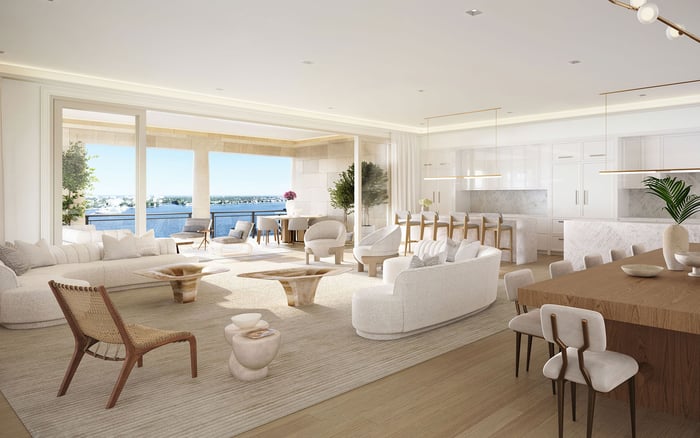
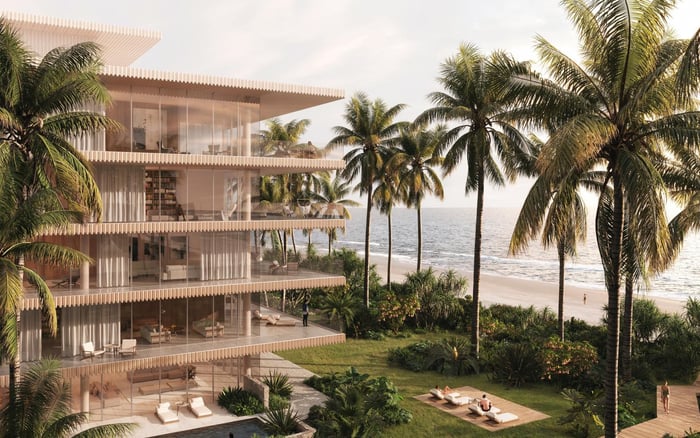
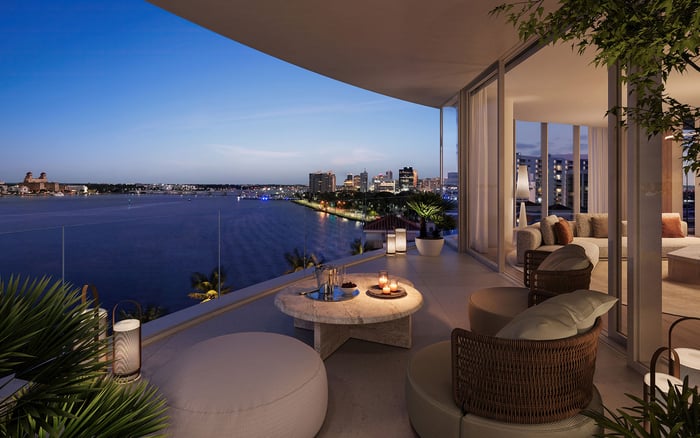
For Monaco buyers, the decisive West Palm Beach property test extends beyond design and views. A residence must support discreet entertaining, workable catering routes, documented event permissions, and controlled arrivals when the social calendar is at its busiest.
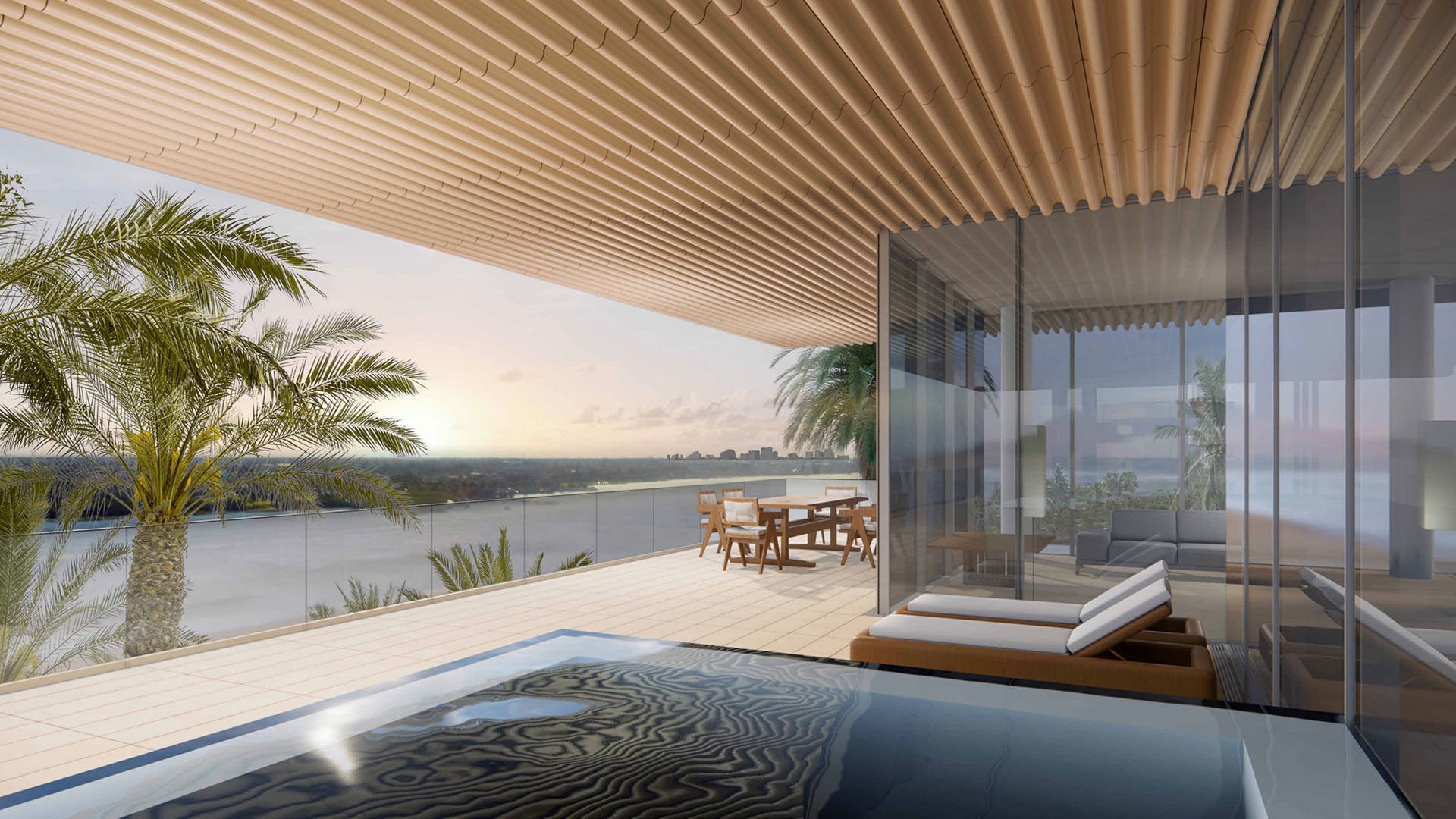
A move from Monaco to West Palm Beach can preserve the pleasures of a highly serviced residence, but it demands a more forensic property search than a conventional comparison of architecture, water views, and finishes. For an owner who expects to host dinners, collector viewings, screenings, or receptions during peak events, the residence must function as both a private home and a controlled hospitality environment.
The search should consider entertaining infrastructure, written rules governing events and vendors, and the management of guest access through elevators, lobbies, valet operations, and security. A beautiful social room is not enough. Nor is a private elevator if caterers, florists, musicians, and security personnel cannot move discreetly.
This edition of MILLION's Buyer's Guides treats privacy as an operating discipline. In West Palm Beach, the best choice may be a full-service condominium, a boutique waterfront tower, or a single-family home, depending on how often the owner entertains and whether those occasions remain personal or become branded, sponsored, press-attended, ticketed, or recurring.
The right residence separates private life from event logistics before the first guest arrives.
Begin with a written calendar of intended use. A dinner for close friends imposes different demands than a collector preview involving catering teams, temporary installations, photographers, or sponsors. Note likely guest counts, event frequency, preferred hours, alcohol service, staffing, vehicle arrivals, media presence, and whether any gathering could be interpreted as commercial activity.
This distinction should shape the choice of property. A condominium can provide staffing, valet, shared entertaining rooms, and layered security, subject to the building's rules and actual operations. A single-family home may offer greater control with less dependence on common areas, but the buyer must separately address parking, access, catering support, and event security. Neither format is inherently superior.
For a condominium, determine whether the residence itself can accommodate the occasion. Review the kitchen, terraces, acoustic separation, elevator access, and service approach as one operating system rather than as isolated features.
Marketing language around lounges, dining rooms, and ballrooms does not establish an owner's right to reserve a space, engage an outside caterer, host sponsors, or exceed standard guest limits. Those permissions require written confirmation during due diligence.
Before signing, request the declaration, bylaws, current rules, event-space policies, application materials, fee schedules, and recent board minutes. Then obtain direct written answers addressing capacity, operating hours, deposits, cancellation provisions, alcohol service, approved caterers, vendor insurance, indemnity, security staffing, media crews, temporary installations, outside valet, and any option to reserve a venue.
At Mr. C Residences West Palm Beach, buyers focused on entertaining should verify the precise scope of any dining, catering, staffing, arrival, and access arrangements relevant to their plans. Written confirmation should address fees, notice periods, vendor requirements, guest limitations, and the distinction between residential and shared operations.
A disciplined review also protects the owner's art. Written event terms should be paired with an event-day art-security plan addressing caterer supervision, restricted rooms, service routes, temporary displays, accidental damage, and insurance conditions.
Privacy during a major social week is not merely the absence of publicity. It is the ability to control who enters, where each person waits, which elevator they use, how vehicles are staged, and whether staff can reach the residence without passing through principal rooms.
During a tour, trace the journeys of the owner, an invited guest, a caterer, a delivery team, and private security separately. Review the arrival area, lobby, elevator bank, loading path, parking controls, and staff entrance. Separate circulation can help divide these flows, but floor plans and actual operating protocols matter more than an amenity label.
Lower-density properties may appeal to buyers seeking less incidental circulation. At Forté on Flagler West Palm Beach, the due-diligence exercise should still focus on how residents, vendors, staff, and guests are credentialed and routed during an event.
Ask management to explain advance guest registration, elevator credentials, vehicle staging, overflow valet, private security details, privacy protocols, and the handling of press. Request a peak-event scenario rather than a general account of daily service. The practical question is whether the building can preserve the owner's ordinary arrival while a reception is underway elsewhere on the property.
Some owners will prioritize a reservable room for intimate dinners or screenings. Others will prefer a broader private-club environment capable of absorbing dining, wellness, and social activity without bringing every occasion into the residence.
South Flagler House West Palm Beach can be included in an amenity-led comparison, but the decisive questions remain operational: which spaces are reservable, who may cater, how guests circulate, and what restrictions apply during peak periods.
Waterfront positioning and proximity to Palm Beach can be compelling, but they should not obscure the service test. Buyers should confirm which services are available to an individual residence, how they are requested, and whether event-related support is governed by separate terms.
The strongest negotiating position is established before the contract becomes unconditional. Attach the intended entertaining program to the document review, and have appropriate legal and insurance advisers evaluate restrictions on commercial activity, noise, common-area use, vendors, guest counts, liability, and art coverage.
Seek written management responses rather than relying on verbal assurances during a showing. If the residence depends on a shared event room, request its reservation policy and complete fee structure. If privacy depends on a service elevator, verify when vendors may use it, how credentials are issued, and whether deliveries are supervised. If valet is central to the plan, understand vehicle capacity, overflow procedures, and private-driver protocols during peak demand.
The final comparison should assess each candidate on in-residence entertaining, reservable common spaces, catering flexibility, acoustic separation, elevator privacy, service circulation, valet resilience, security coordination, and documentary certainty. The right West Palm Beach residence is not simply the most impressive address. It is the property whose rules, staffing, and physical plan allow hospitality to feel effortless while private life remains protected.
For discreet guidance on selecting and securing a South Florida residence, connect with MILLION.
If branded residences are on your mind — as a home or as an allocation — we would be glad to share what we are seeing, privately.
Begin a quiet conversationEvaluate entertaining infrastructure, written event and vendor rules, and controlled access through lobbies, elevators, valet, and security.
No. Reservation rights, guest limits, outside catering, sponsors, and fees should all be confirmed in writing.
Request the declaration, bylaws, current rules, event policies, application materials, fee schedules, and recent board minutes.
They can help keep catering teams, deliveries, and event staff apart from residents and invited guests.
Confirm whether they are permitted, which insurance and indemnity terms apply, and whether an approved-vendor list is mandatory.
Ask about vehicle staging, overflow capacity, advance registration, private-driver procedures, and security coordination.
No. Condominiums can offer staffing and shared amenities, while homes may provide greater control but require separate logistical planning.
Address staff supervision, restricted rooms, temporary installations, service routes, accidental damage, and insurance conditions.
Lower density may reduce shared corridor and elevator traffic, although management protocols remain equally important.
Verify the exact dining and catering scope, fees, notice periods, guest limits, vendor conditions, and access arrangements.