For a London buyer evaluating a Downtown Miami preconstruction residence, the property decision should coordinate contract-based deposit timing with portfolio financing, sterling liquidity, currency exposure, and the funds reserved for closing.
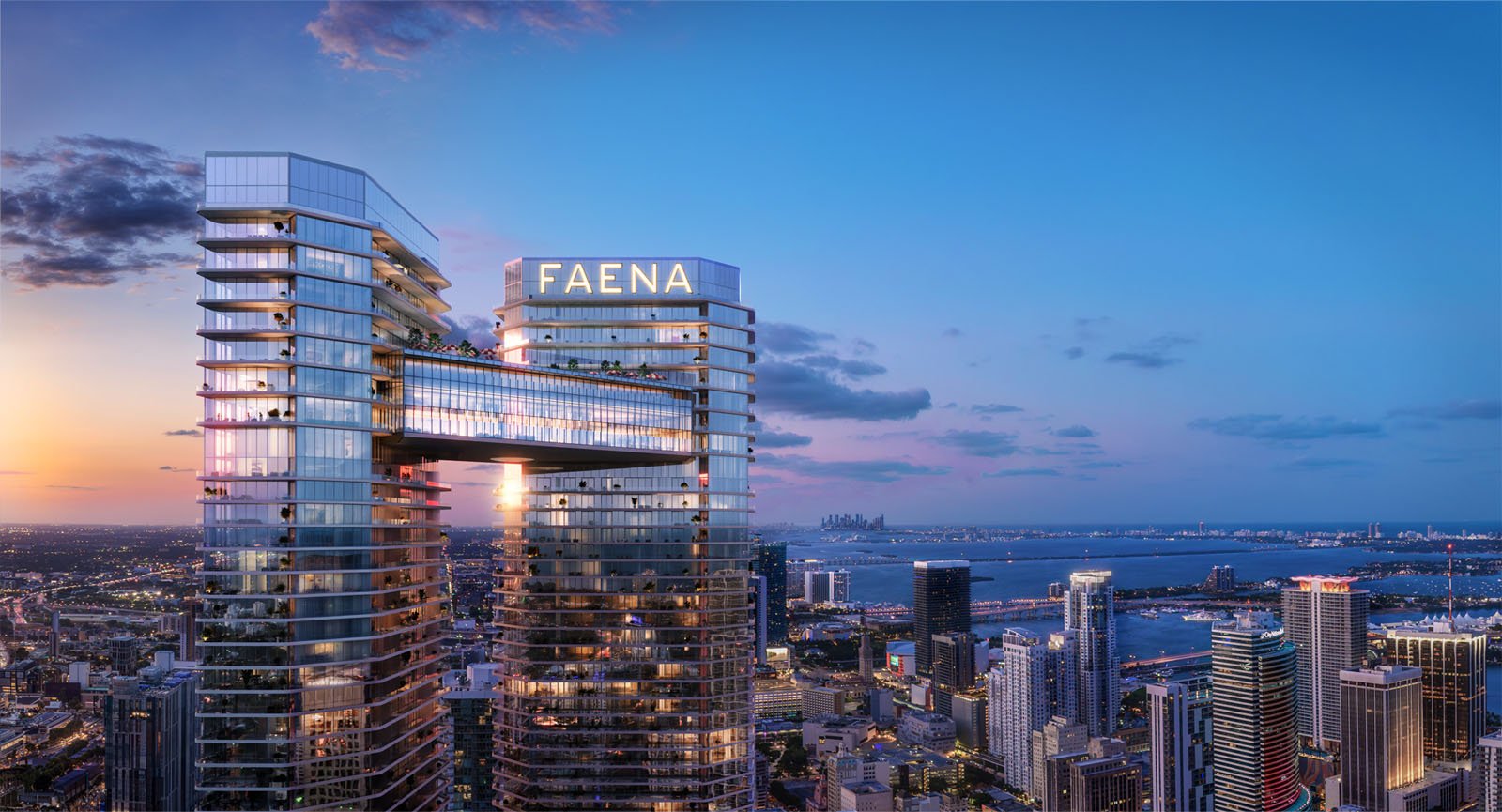
A move from London to Downtown Miami should begin with a consolidated view of assets, liabilities, anticipated liquidity events, financing needs, and currency exposure. Architecture, views, and timing remain central to the property search, but they should be considered alongside the buyer’s broader financial position.
For a preconstruction purchase, the buyer should translate the payment terms in the relevant documents into a dated portfolio plan. This makes it easier to assess whether each required payment can be met without disrupting another obligation or relying on an asset sale at an unsuitable time.
The central question is not simply whether the residence appears affordable at the outset. It is whether the full sequence of documented payments, including the amount due at closing, fits the buyer’s financing and liquidity strategy.
Create a schedule that records every payment described in the purchase documents. For each entry, identify the expected timing, amount, intended funding source, currency, and backup source.
The model should distinguish between funds intended for construction-stage payments and capital reserved for closing. It should also show how London obligations, portfolio maturities, expected income, and proposed asset disposals align with the Miami purchase.
Because the binding documents control the transaction, assumptions should be replaced with residence-specific terms before a commitment is made. Any uncertainty should be identified explicitly rather than hidden inside a general liquidity estimate.
Project selection should consider capital timing alongside design, location, and the intended move. A buyer reviewing Waldorf Astoria Residences Downtown Miami and Casa Bella by B&B Italia Downtown Miami should evaluate the documents for the specific residence under consideration rather than apply a single assumed schedule to both.
The same document-led approach applies if the search includes nearby Brickell. The Residences at 1428 Brickell and St. Regis® Residences Brickell may be considered within a broader Miami search, but each option should be assessed on its own payment obligations and closing requirements.
A useful comparison table can place the documented payment dates, cumulative capital commitment, proposed funding source, and closing balance side by side. This keeps the property decision connected to the portfolio plan.
The funding plan should explain how construction-stage obligations will be met and how the final closing requirement will be addressed. These are related but distinct questions.
If financing is part of the intended closing strategy, the buyer should seek current, transaction-specific guidance from qualified financing professionals. The plan should not assume that future loan availability, underwriting, or terms will remain unchanged.
A prudent model can include an intended financing route, a higher-equity alternative, and a portfolio-liquidity fallback. The purpose is not to predict every outcome, but to understand how the acquisition would proceed if the preferred closing plan changes.
A London-based buyer funding a Miami purchase should map the currency of each asset and obligation. This allows the buyer to see where sterling liquidity may need to support dollar-denominated payments and where currency movement could affect the required funding.
The plan should also avoid depending on one precisely timed London transaction. Maintaining a contingency source can help protect the wider portfolio if an anticipated liquidity event or the Miami timeline changes.
Property selection and portfolio planning should therefore remain connected. A residence whose documented payment timing aligns with dependable liquidity may fit the buyer’s strategy better than one assessed only by its initial required payment.
Before signing, the buyer and appropriate professional advisers should review the provisions governing payments, deadlines, refundability, default, completion, and closing. Questions should be resolved by reference to the applicable purchase agreement and offering documents.
Legal, tax, currency, and financing considerations should be reviewed early enough to inform the property decision. This process helps the buyer compare Downtown Miami options through both a residential and portfolio-management lens.
Why should a London buyer map every required payment? A dated map shows how the purchase may interact with other portfolio obligations and liquidity events.
Should the initial required payment drive the property decision? No. The buyer should evaluate the complete documented payment sequence and closing requirement.
Why compare project documents rather than assumed schedules? The relevant documents define the obligations for the specific transaction under consideration.
What should a cash-flow map include? It should identify each documented payment, its timing, its intended funding source, its currency, and a contingency source.
Why separate construction-stage funding from closing finance? Separating them clarifies how each obligation will be met and whether sufficient capacity remains for closing.
Should future financing terms be assumed? No. Financing should be reviewed on a current, transaction-specific basis with qualified professionals.
How does sterling exposure affect the plan? It can change the sterling amount needed to meet a dollar-denominated obligation, so currency exposure belongs in the liquidity model.
Should the purchase depend on one London asset sale? The buyer should consider a contingency source rather than rely entirely on one precisely timed liquidity event.
What should professional review cover before signing? Appropriate advisers should review the applicable legal, tax, financing, currency, and contractual considerations.
How should Downtown Miami residences be compared? Compare their residence-specific documents, payment timing, closing requirements, and fit with the buyer’s portfolio plan.
If you'd like a private walkthrough and a curated shortlist, connect with MILLION.
If branded residences are on your mind — as a home or as an allocation — we would be glad to share what we are seeing, privately.
Begin a quiet conversation