A buyer-focused guide to comparing pet-friendly flooring considerations at ACRE Fort Lauderdale and The Bristol Hallandale Beach, with emphasis on traction, maintenance, acoustics, and long-term livability.
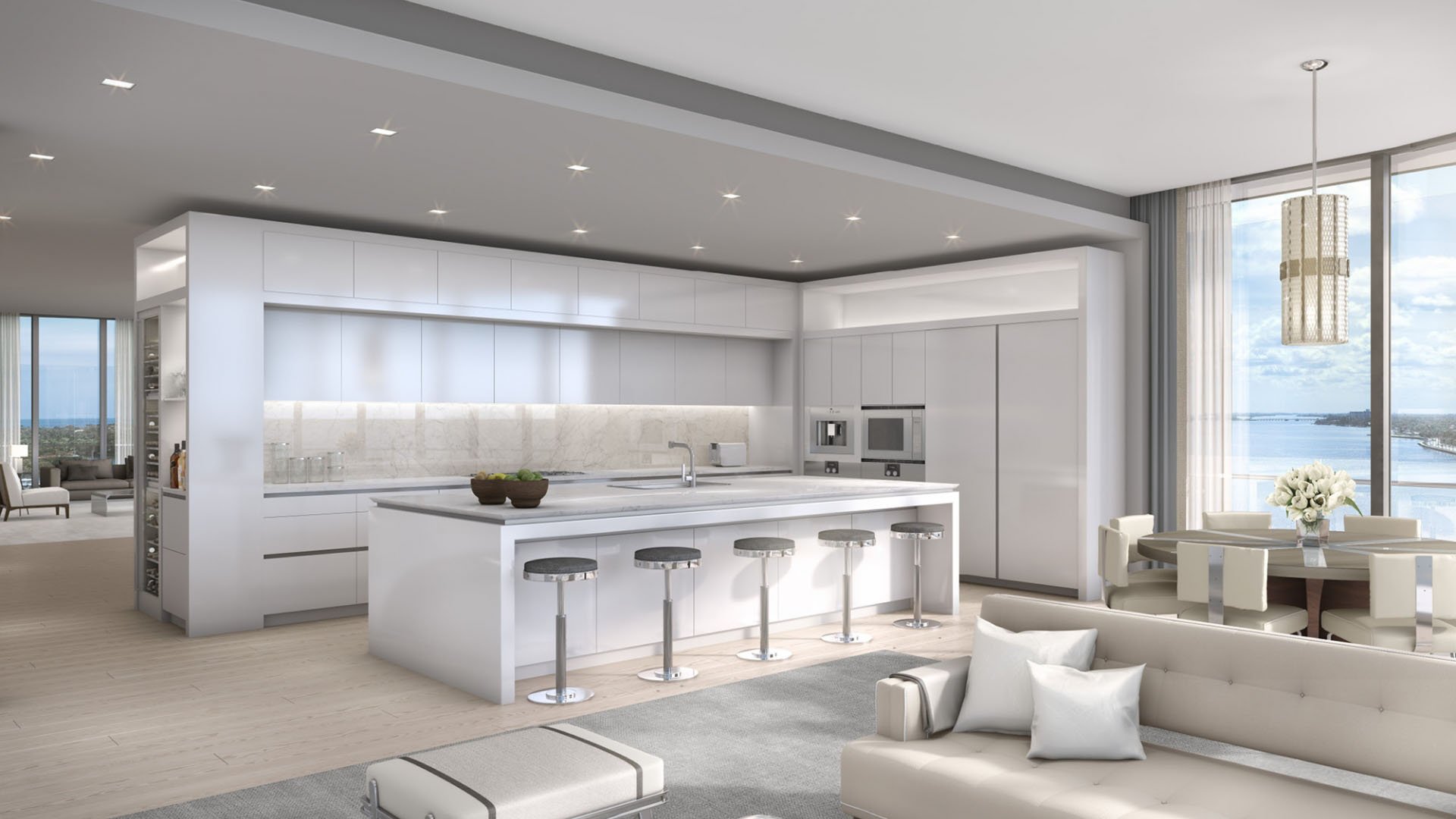
For South Florida buyers who live with dogs or cats, flooring is not a secondary finish. It shapes the daily experience of a residence, influencing sound, movement, cleaning, entertaining, and the way a home ages. In an ultra-premium setting, the question is not simply whether a floor can tolerate pets. The better question is whether the floor supports an elegant life with pets without constant compromise.
That makes the comparison between ACRE Fort Lauderdale and The Bristol Hallandale Beach less about declaring a universal winner and more about material intelligence. Buyers should evaluate each residence through its specific finish schedule, sample boards, warranty language, installation details, and building rules. Without those documents in hand, assumptions about brand, location, or price point are not enough.
From a Broward perspective, the decision touches Fort Lauderdale search behavior, Hallandale coastal living, pet priorities, new-construction expectations, coastal maintenance concerns, and the resale psychology of practical luxury.
When evaluating ACRE Fort Lauderdale beside The Bristol Hallandale Beach, begin with the material specification, not the brochure language. Ask what flooring is standard, what upgrades are available, whether substitutions are permitted, and how replacement stock is handled. A polished interior photograph may communicate atmosphere, but it rarely tells the full story of slip resistance, sealant requirements, acoustic underlayment, or scratch performance.
Pet owners should also distinguish between the visible surface and the system beneath it. A floor that looks serene may perform very differently depending on substrate, installation method, transitions, and sound mitigation. In a condominium environment, acoustics are especially important because paws, play, and dropped toys can travel differently through various assemblies.
The most refined approach is to create a side-by-side matrix. Include surface material, finish, texture, grout width, sealant needs, cleaning protocol, warranty exclusions, repair options, and compatibility with rugs. This turns an emotional comparison into a livability audit.
Porcelain is often attractive to pet owners because it can offer strong resistance to moisture and routine wear. In a warm coastal market, it can also support a cool, tailored visual language. The tradeoff is comfort and traction. A highly polished surface may look glamorous, but some pets can find it slippery, particularly as they age. A honed, matte, or lightly textured finish may be more forgiving.
Engineered wood brings warmth, depth, and a residential softness that many buyers prefer in bedrooms and living areas. For pet households, the important questions are the top wear layer, factory finish, plank construction, and whether spot repairs are realistic. Darker tones may show hair, dust, or surface marks more readily, while very pale floors can reveal staining if maintenance is neglected.
Natural stone can be beautiful, especially when the architecture calls for a timeless, gallery-like mood. Yet stone requires discipline. Depending on the material and finish, sealing, etching, and staining should be discussed before closing. Pet bowls, cleaning products, and accidents can all interact with stone in ways that deserve careful planning.
Large-format surfaces create fewer grout lines and a cleaner visual field. That can simplify maintenance and make interiors feel more expansive. Still, buyers should study texture under real light and test how a pet moves across a sample. Luxury is strongest when it is confirmed under ordinary conditions.
The most pet-friendly floor is rarely judged in the foyer. It is tested along the pet’s daily route: entry to water bowl, elevator arrival to living area, bedroom to terrace, and sofa to food station. These circulation paths reveal where traction matters most.
For dogs, especially larger or older dogs, grip is a health and comfort issue. Smooth, glossy floors can encourage slipping, hesitation, or overcompensation. Area rugs and runners can solve much of this, but they should be treated as part of the design plan rather than an afterthought. Low-profile, washable, well-anchored rugs can protect the floor while keeping the interior composed.
Acoustics also deserve attention. A floor that is technically durable may still feel wrong if every movement is amplified. Ask about underlayment and building standards, but also use common sense during showings. Listen to how footsteps and chair movement register. Pets add motion to a home, and the most successful residences absorb that activity without feeling fragile.
Pet-friendly does not have to mean utilitarian. In the best residences, maintenance is nearly invisible because the right choices were made early. Matte finishes can hide small imperfections better than mirror-like surfaces. Medium tones can be more forgiving than extremes. Grout color, rug placement, and furniture pads can all extend the life of a floor.
Cleaning protocol is another important variable. Some materials tolerate routine wiping with ease, while others require specific products. Before selecting or accepting a finish, confirm which cleaners are approved and whether pet-related incidents could affect warranty coverage. The most expensive floor is not always the most practical floor, and the most practical floor is not always the least luxurious.
A buyer comparing ACRE Fort Lauderdale and The Bristol Hallandale Beach should also think about service access. If a plank, tile, or stone panel is damaged, can it be replaced cleanly? Is there attic stock? Will the replacement batch match? These questions matter in a second home, a primary residence, or any property where design continuity supports value.
In South Florida’s high-end market, buyers are increasingly attuned to homes that look designed but live easily. Flooring that can accommodate pets, entertaining, humidity, sand, and daily movement may broaden a residence’s appeal. That does not mean every buyer wants the same material. It means thoughtful durability can read as sophistication.
A residence that feels too delicate can create psychological friction. Owners may hesitate to host, use certain rooms, or let pets move freely. Conversely, a well-specified floor allows the home to feel calm and generous. For a luxury buyer, that ease is part of the value proposition.
The best comparison, therefore, is not ACRE Fort Lauderdale versus The Bristol Hallandale Beach in the abstract. It is the specific residence, the selected material package, the pet profile, and the buyer’s tolerance for maintenance. The right floor preserves design intent while reducing daily negotiation.
Before making a final decision, request the finish schedule and review the exact flooring product names where available. See the materials in daylight and evening light. Walk on samples with the type of footwear you actually use at home. If possible, evaluate texture with a practical eye toward paws, claws, bowls, toys, and cleaning.
Ask about building pet policies separately from flooring. A floor can be excellent for animals, while a building rule may affect daily convenience. Pet size rules, elevator etiquette, common-area access, and terrace expectations should all be understood before a buyer becomes emotionally committed.
Finally, think in layers. The floor is the foundation, but rugs, mats, bowls, furniture layout, and cleaning storage complete the system. Pet-friendly luxury is not one product. It is a coordinated environment.
Is porcelain usually a good pet-friendly flooring choice? Porcelain can be a strong option because it is generally easy to maintain, but traction and surface finish should be reviewed carefully.
Is engineered wood appropriate for homes with pets? It can be, especially when the wear layer and finish are suitable, but buyers should confirm repair options and warranty terms.
Should I avoid polished floors if I have a dog? Not always, but highly polished surfaces may be slippery for some pets. Testing samples is a prudent step.
What is the most important flooring question for ACRE Fort Lauderdale? Ask for the exact finish schedule and any available upgrade or substitution details before making comparisons.
What is the most important flooring question for The Bristol Hallandale Beach? Review the specified materials, maintenance requirements, and any building rules that affect pets in daily use.
Do rugs reduce the need for durable flooring? Rugs help with traction, sound, and protection, but they do not replace the need for an appropriate underlying floor.
Can pet-friendly flooring still feel luxurious? Yes. Matte textures, refined tones, and quality installation can create interiors that are both elegant and practical.
Should buyers ask about acoustic underlayment? Yes. Acoustic performance can be especially important in condominium living, where pet movement may be more noticeable.
Is natural stone a risky choice with pets? It depends on the stone, finish, and sealing requirements. Buyers should understand maintenance before choosing it.
What is the best way to shortlist comparable options for touring? Start with location fit, delivery status, and daily lifestyle priorities, then compare stacks and elevations to validate views and privacy.
For a tailored shortlist and next-step guidance, connect with MILLION.
If branded residences are on your mind — as a home or as an allocation — we would be glad to share what we are seeing, privately.
Begin a quiet conversation