A discreet buyer’s guide to selecting pet-friendly balcony flooring for luxury residences, with emphasis on comfort, drainage, approval, and long-term finish quality.
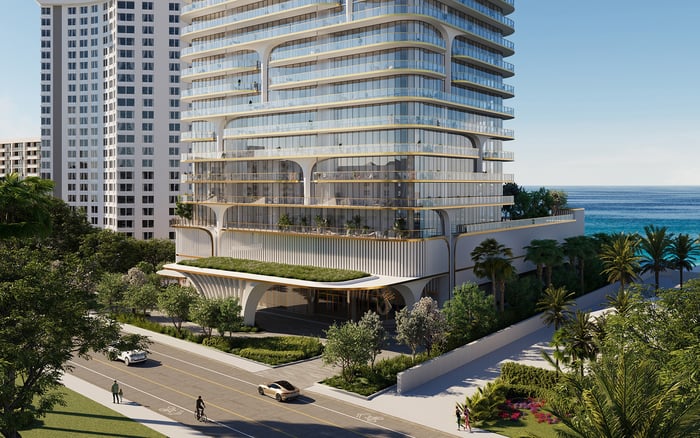
For buyers evaluating pet-friendly balcony flooring at ACRE Fort Lauderdale and The Bristol Hallandale Beach, the conversation begins with a deceptively simple question: how can an outdoor surface feel refined enough for a luxury residence while remaining practical for daily life with a dog or cat? In South Florida, the answer is rarely one material. It is a careful balance of comfort, drainage, heat performance, maintenance, building approval, and visual restraint.
A balcony is not a backyard. It comes with structural limits, waterproofing systems, wind exposure, rail conditions, drainage patterns, and association rules. The strongest pet-friendly balcony flooring choices are usually reversible, modular, well-draining, and easy to clean. They should improve the way the space lives without compromising the slab, altering common elements, or creating avoidable maintenance issues.
In practical terms, the decision sits at the intersection of balcony comfort, terrace detailing, pets, Fort Lauderdale expectations, Hallandale coastal living, and Broward condominium norms. The most successful installations look intentional, quiet, and architectural. They do not announce themselves as pet infrastructure.
The first priority is traction. Smooth tile, polished stone, and some sealed concrete surfaces can become slick when wet, especially after rain, cleaning, or sea air condensation. A pet-friendly surface should offer grip without feeling coarse under bare feet. Dogs, particularly older dogs, benefit from a stable surface that does not shift under their weight.
The second priority is drainage. South Florida balconies must be able to shed water. Any overlay that traps moisture beneath it can create staining, odor, mildew, or issues with the balcony’s existing finish. A raised modular tile, open-grid surface, or drainage-backed turf system can work when selected carefully, but the details matter. The underside is as important as the visible surface.
The third priority is heat. Dark surfaces can become uncomfortable in direct sun. This is especially relevant for west-facing or high-exposure balconies, where afternoon light can make flooring too hot for paws. Lighter tones, ventilated assemblies, and materials with better thermal behavior are generally more comfortable.
Finally, pet owners should consider cleaning. The ideal balcony floor can be vacuumed, rinsed, spot-cleaned, and lifted in sections when needed. In a luxury setting, ease of maintenance is not merely convenient. It preserves the elegance of the space.
Porcelain pavers are among the most refined options when the building permits them and the balcony can accommodate the system. They offer a crisp architectural appearance, excellent stain resistance, and a finish that can echo interior flooring without pretending to be interior flooring. For pets, the key is selecting a textured outdoor-rated surface with adequate slip resistance.
Composite deck tiles can also be compelling. They are often modular, removable, and visually warmer than stone or porcelain. The best versions avoid an overly synthetic look and rely on restrained colors such as driftwood, pale taupe, graphite, or muted teak tones. Buyers should avoid products that flex excessively or create hollow sound underfoot.
Artificial turf is the most pet-specific choice, but also the one that requires the greatest discretion. Luxury applications should avoid bright green, overly plush, or visibly artificial products. If turf is used, it should have antimicrobial backing, strong drainage, and a maintenance plan. It can be useful as a defined pet comfort zone rather than a wall-to-wall balcony treatment.
Outdoor rugs can soften a seating area, but they should not be treated as the primary pet solution. They can hold moisture and odor if not chosen carefully. A high-quality outdoor rug works best over a properly draining base, not as a substitute for one.
Permanent adhesives are often a mistake unless explicitly approved. They can interfere with waterproofing, complicate repairs, and create conflict when a residence is sold or inspected. Heavy stone systems should be approached cautiously, since balcony load considerations are not decorative preferences. They are structural realities.
Loose gravel, sand, and small decorative stones are also problematic. They can migrate toward drains, blow during storms, and create cleaning issues. For pet owners, they may also be tracked indoors. In a high-end residence, the most elegant solution is usually the simplest one: clean edges, modular components, and a surface that can be removed without drama.
Buyers should also avoid flooring systems that block scuppers, cover drain openings, or alter the balcony pitch. Even a beautiful finish becomes a liability if water no longer moves as intended. Before focusing on color and texture, the practical question is whether the balcony can continue doing its job.
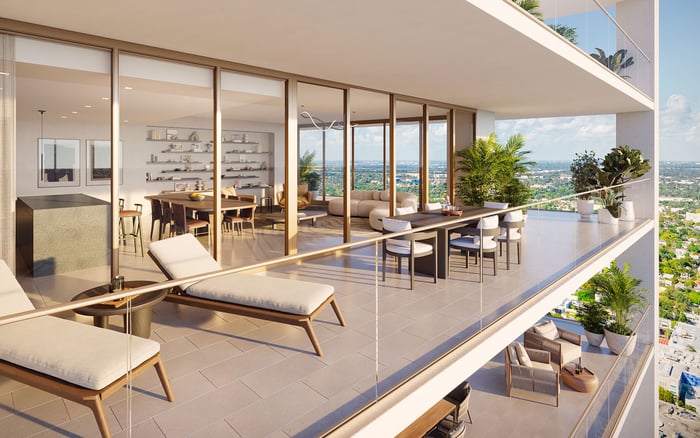
In Fort Lauderdale, balcony design often has to serve multiple roles. It may be a morning coffee setting, a small outdoor lounge, a pet relief transition, or simply a place to enjoy air and light between city and water. For a residence such as ACRE Fort Lauderdale, the pet-friendly flooring question should be framed around daily rhythm rather than novelty.
A modular surface can be especially appealing for owners who want a tailored look without committing to a permanent alteration. Composite deck tiles or outdoor porcelain pavers in a neutral tone can create a finished environment that still feels appropriate for a contemporary condominium. If the balcony is compact, fewer materials are better. One flooring plane, one outdoor rug if needed, and one discreet pet zone will typically read more luxurious than multiple competing surfaces.
For dogs, consider a defined area that can be cleaned separately. For cats, consider texture and temperature, since some pets gravitate toward warmer surfaces while avoiding unstable grids. The design should respect the pet’s behavior without turning the balcony into a service area.
In Hallandale, the coastal atmosphere influences every outdoor material decision. Salt air, humidity, rain, sun, and wind exposure can test finishes that look pristine in a showroom. At The Bristol Hallandale Beach, a pet-friendly balcony flooring strategy should emphasize durability and restraint.
A pale stone-look porcelain, a high-quality composite tile, or a low-profile outdoor surface with excellent drainage can support the tone buyers expect in a luxury coastal residence. The objective is not to overdesign the balcony. It is to make the surface feel calm, comfortable, and continuous with the broader residence.
For pet owners, odor control is central. Any system that absorbs moisture or traps organic matter will eventually undermine the space. Washability, airflow, and access beneath the surface should be evaluated before appearance. A beautiful balcony that is difficult to clean will not remain beautiful for long.
Before installing any balcony flooring, owners should review the condominium documents and obtain any required approvals. Even removable systems may be subject to rules governing exterior appearance, drainage, wind safety, and common elements. In South Florida, hurricane preparation is part of the design conversation. Flooring components should not become loose objects during severe weather.
A professional installer familiar with condominium balconies can help assess thresholds, door clearances, drainage locations, and edge conditions. Small details matter. A raised tile that interferes with a sliding door track or creates a trip point will quickly feel poorly planned.
Resale should also inform the decision. The most marketable pet-friendly balcony flooring is elegant, neutral, and reversible. Future buyers may have pets, but they may not share the same habits or aesthetic preferences. A system that can be lifted, cleaned, replaced, or removed preserves flexibility.
The best pet-friendly balcony flooring does not look like a compromise. It looks like an extension of the residence. In Fort Lauderdale and Hallandale Beach, that often means soft coastal neutrals, finely grained textures, slim profiles, and a disciplined material palette.
Owners should coordinate balcony flooring with outdoor furniture, planters, railing color, and interior flooring visible through glass doors. When the palette is coherent, even a practical pet surface feels considered. When it is not, the balcony can feel temporary, regardless of cost.
For luxury buyers, the lesson is clear: pet-friendly does not mean casual. It means intelligent. A well-chosen balcony surface protects the pet, the property, and the atmosphere of the home.
What is the best pet-friendly balcony flooring for a luxury condo? The best choice is usually a removable, well-draining, slip-resistant system such as outdoor porcelain pavers or high-quality composite deck tiles.
Is artificial turf appropriate for a luxury balcony? It can be, if it is discreet, antimicrobial, well-draining, and used with a disciplined design approach rather than as a bright wall-to-wall covering.
Should balcony flooring be permanently attached? Permanent attachment should be avoided unless the building expressly approves it, since adhesives may affect waterproofing or future repairs.
What matters most for dogs on balcony flooring? Traction, heat comfort, drainage, and cleanability are the most important qualities for dogs using a balcony regularly.
Can balcony flooring affect resale value? Yes, especially if it looks refined and is reversible. Neutral, removable systems tend to preserve flexibility for future buyers.
Are outdoor rugs enough for pet-friendly balconies? Outdoor rugs can soften a seating area, but they should not replace a properly draining and stable flooring surface.
What colors work best in South Florida sun? Lighter neutrals often perform better for paw comfort and maintain a calmer coastal look than very dark surfaces.
Do condo associations usually regulate balcony flooring? Many associations regulate exterior changes, drainage, and balcony appearance, so approval should be addressed before installation.
How should pet odors be managed on a balcony? Choose non-absorbent or fast-draining materials, clean regularly, and avoid systems that trap moisture beneath the surface.
Is pet-friendly balcony flooring different in Fort Lauderdale and Hallandale Beach? The principles are similar, but coastal exposure, wind, sun, and building rules should guide the final specification.
For a discreet conversation and a curated building-by-building shortlist, connect with MILLION.
If branded residences are on your mind — as a home or as an allocation — we would be glad to share what we are seeing, privately.
Begin a quiet conversation