A buyer-focused framework for evaluating parking rights, valet routines, vehicle fit, guest access, costs, and operational resilience before committing.
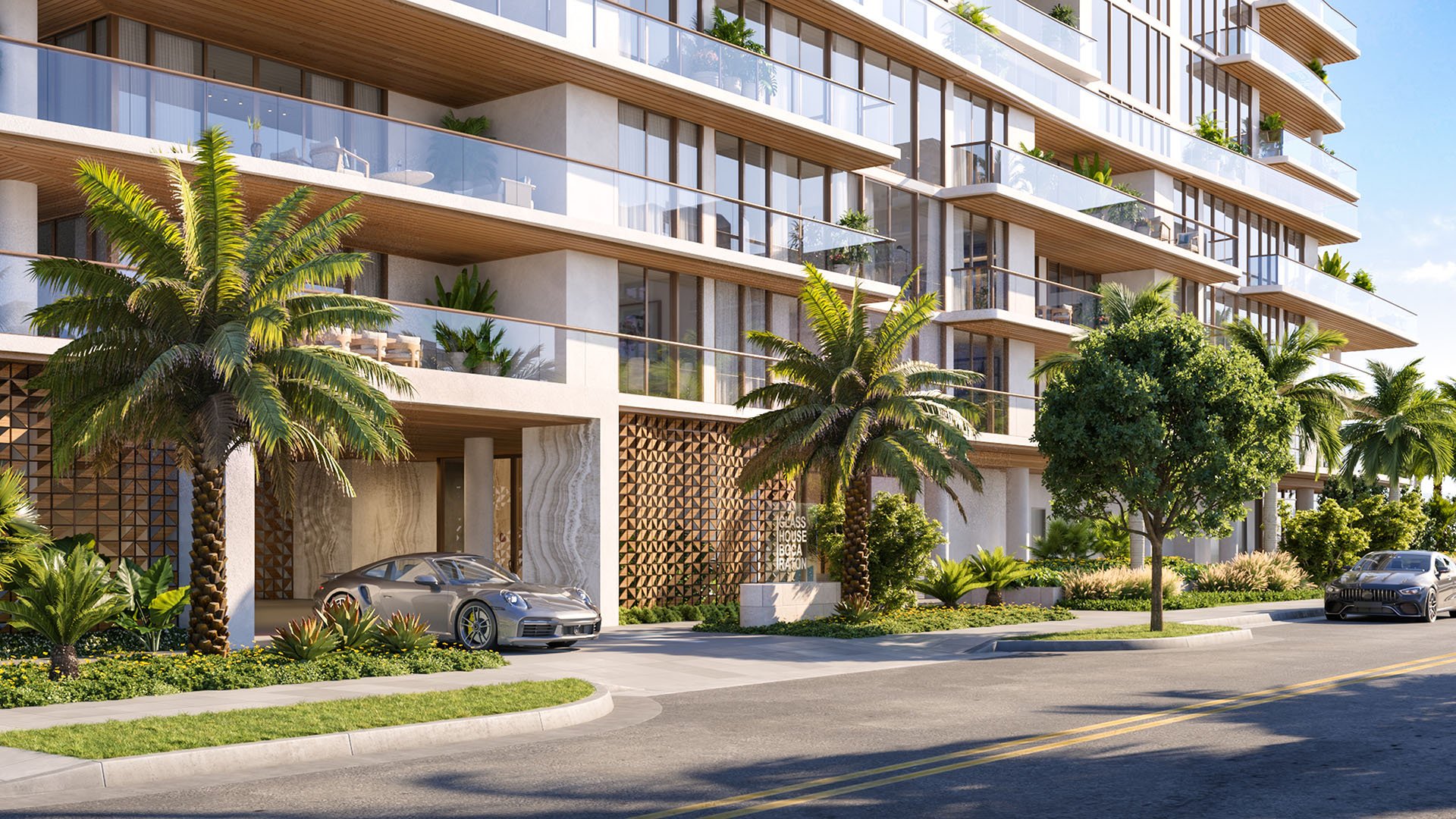
For a multi-car household, parking is not a secondary amenity. It is part of the residence’s daily operating system. The question is not simply whether parking is available at Glass House Boca Raton, but whether the documented rights, physical configuration, staffing model, and retrieval procedures align with the household’s actual vehicle calendar.
That distinction matters when several drivers may depart within the same half hour, a collector car requires specialized handling, or a resident alternates among daily vehicles. For buyers balancing Boca Raton living with Waterfront preferences, Boutique privacy, Pets, and Second-home use, the garage and valet experience warrants the same scrutiny as the views, finishes, and floor plans.
Begin with the governing documents and purchase materials that define parking. Ask how many spaces or parking privileges accompany the specific residence; whether they are assigned, deeded, licensed, leased, pooled, or subject to valet control; and whether those rights can change. Verbal descriptions are no substitute for written terms.
Clarify whether an additional vehicle can be accommodated, how waitlists operate, whether a separate fee applies, and whether parking rights may transfer with a future sale. If the household uses a family office, trust, or corporate ownership structure, confirm how vehicle-registration and authorized-driver rules apply.
These questions are equally useful when comparing Alina Residences Boca Raton. The objective is not to assume that two Boca Raton properties operate alike, but to compare their documented rights against the same checklist.
Translate the household’s routine into specific scenarios. What happens when two residents need vehicles at 7:30 a.m.? Can a driver request a car remotely or in advance? Where is it staged, how long may it remain there, and what happens if plans change? Ask how keys are stored, who may authorize retrieval, and whether household staff can collect or return a vehicle.
Then test less predictable moments: a late airport arrival, an early golf departure, a dinner with several guests, or overlapping school and office runs. A polished valet concept can still create friction if requests cluster, staging space is limited, or the authorization process does not accommodate assistants, adult children, and visiting relatives.
Buyers evaluating The Residences at Mandarin Oriental Boca Raton can apply the same scenario exercise. The meaningful comparison is how each building would manage the household’s busiest fifteen minutes.
Provide management with the exact make, model, dimensions, weight, ground clearance, tire width, and charging requirements of every vehicle expected to use the property. Do not presume that a standard sedan, long-wheelbase SUV, low sports car, armored vehicle, or classic automobile will follow the same route or fit the same space.
Ask about ramp angles, turning clearances, lift or garage limits if applicable, ceiling height, wheel stops, drainage, and the route from entry to storage, charging, and staging. Collector-vehicle owners should understand whether attendants receive specialty-car instructions, whether residents may impose handling restrictions, and whether self-parking is available under any circumstances.
Document the condition-review process, key-control protocol, camera coverage, incident reporting, insurance allocation, and claims procedure. The aim is not to anticipate a problem, but to understand precisely how responsibility is managed if one occurs.
Electric-vehicle planning should extend beyond the presence of a charger. Ask whether charging access is assigned or shared, how sessions are scheduled, who moves a completed vehicle, how electricity is billed, and what happens when multiple residents need power overnight. Confirm whether future charger installation requires board, management, electrical, or insurance approval.
Guest logistics also reveal the strength of an arrival system. Determine where visitors queue, whether guest parking is valet-only, how extended stays are handled, and whether overnight vehicles require advance registration. Households employing drivers, caregivers, chefs, or security personnel should ask where staff vehicles go and whether commercial markings or repeated daily access trigger separate rules.
The same diligence can sharpen comparisons with Mr. C Residences Boca Raton, particularly when hospitality expectations and residential privacy must coexist.
Request a complete schedule of parking-related charges, including recurring fees, additional-car costs, charging expenses, guest charges, gratuity practices, replacement credentials, and move-in procedures. Ask which costs are fixed by contract and which may be adjusted through the association or operating budget.
Staffing demands equal precision. Who operates the valet function, during which hours, and with what backup coverage? What service standard applies during holidays, private events, severe weather, mechanical outages, or staffing shortages? Ask how residents retrieve vehicles during a power interruption and how cars are protected or repositioned during hurricane preparations.
For New-construction buyers, these answers may evolve before occupancy. The prudent approach is to distinguish among contractual commitments, current operating intentions, and matters subject to future association decisions.
Before the review period ends, have counsel examine the declaration, parking exhibits, rules, budgets, management agreements, and purchase contract for consistency. A residence may be visually compelling while its parking structure remains poorly suited to a four-car family, frequent guests, or a specialty collection.
Create a one-page matrix covering rights, capacity, vehicle fit, retrieval, charging, guests, staff, security, insurance, costs, and emergency operations. Score each item against the household’s nonnegotiables. Parking should support the Lifestyle promised by the residence, not demand continual improvisation after closing.
How many parking spaces come with a residence? Confirm the entitlement for the specific residence in the executed purchase documents and governing materials.
Is parking assigned, deeded, licensed, or valet-controlled? Ask counsel to identify the legal form of the parking right and any limits on its transfer or use.
Can a household keep more vehicles than its included allocation? Request written terms covering additional vehicles, waitlists, fees, duration, and cancellation rights.
Can residents self-park their vehicles? Verify whether self-parking is permitted, restricted to certain areas, or unavailable under the operating rules.
How should owners assess valet retrieval times? Test the system against simultaneous morning departures, late arrivals, weekends, holidays, and event traffic.
Will oversized or low-clearance vehicles fit? Submit exact vehicle specifications and obtain confirmation of dimensional, weight, ramp, turning, and storage limits.
How does electric-vehicle charging work? Clarify charger access, scheduling, billing, vehicle movement, installation approvals, and overnight demand.
Can household staff retrieve a resident’s vehicle? Ask about authorized-user registration, identification requirements, key release, and recurring staff access.
What should owners know about guest parking? Confirm capacity, advance-registration rules, overnight limits, fees, queuing, and private-event procedures.
What happens during storms or power outages? Review vehicle-access, backup-power, protection, communication, and emergency-retrieval procedures before closing.
For a discreet conversation and a curated building-by-building shortlist, connect with MILLION.
If branded residences are on your mind — as a home or as an allocation — we would be glad to share what we are seeing, privately.
Begin a quiet conversation