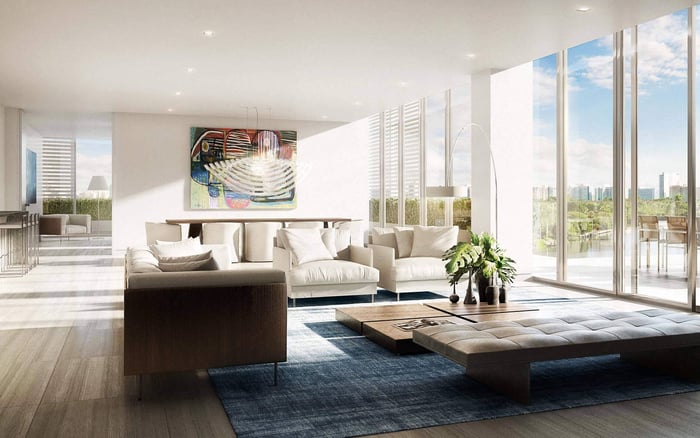
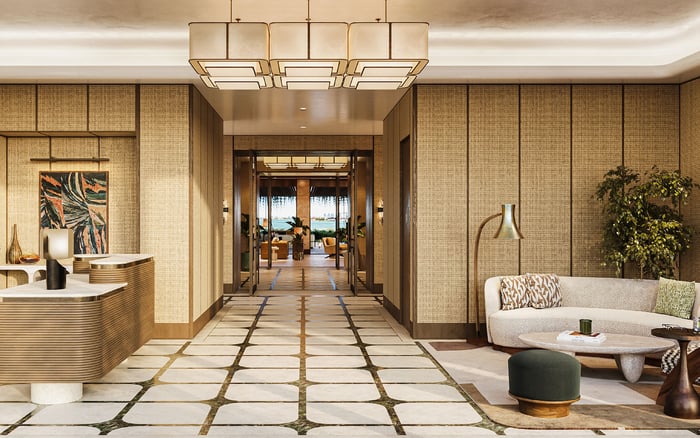
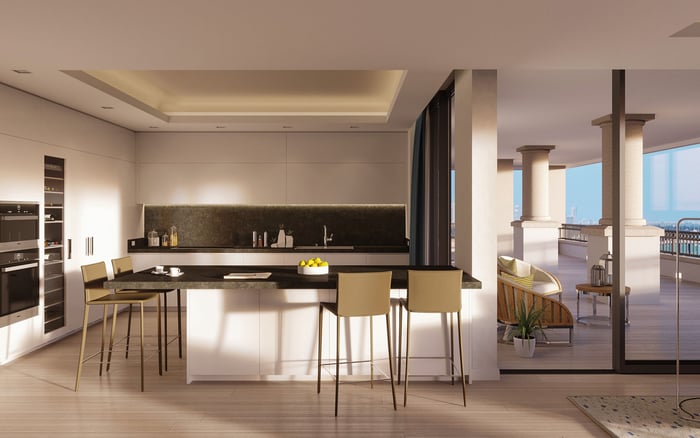
At Palazzo della Luna on Fisher Island, whole-home Wi-Fi planning is more than a technical checklist. For ultra-luxury buyers, digital reliability now belongs beside architecture, service, privacy, terraces, and finish quality as part of the residence’s daily promise.
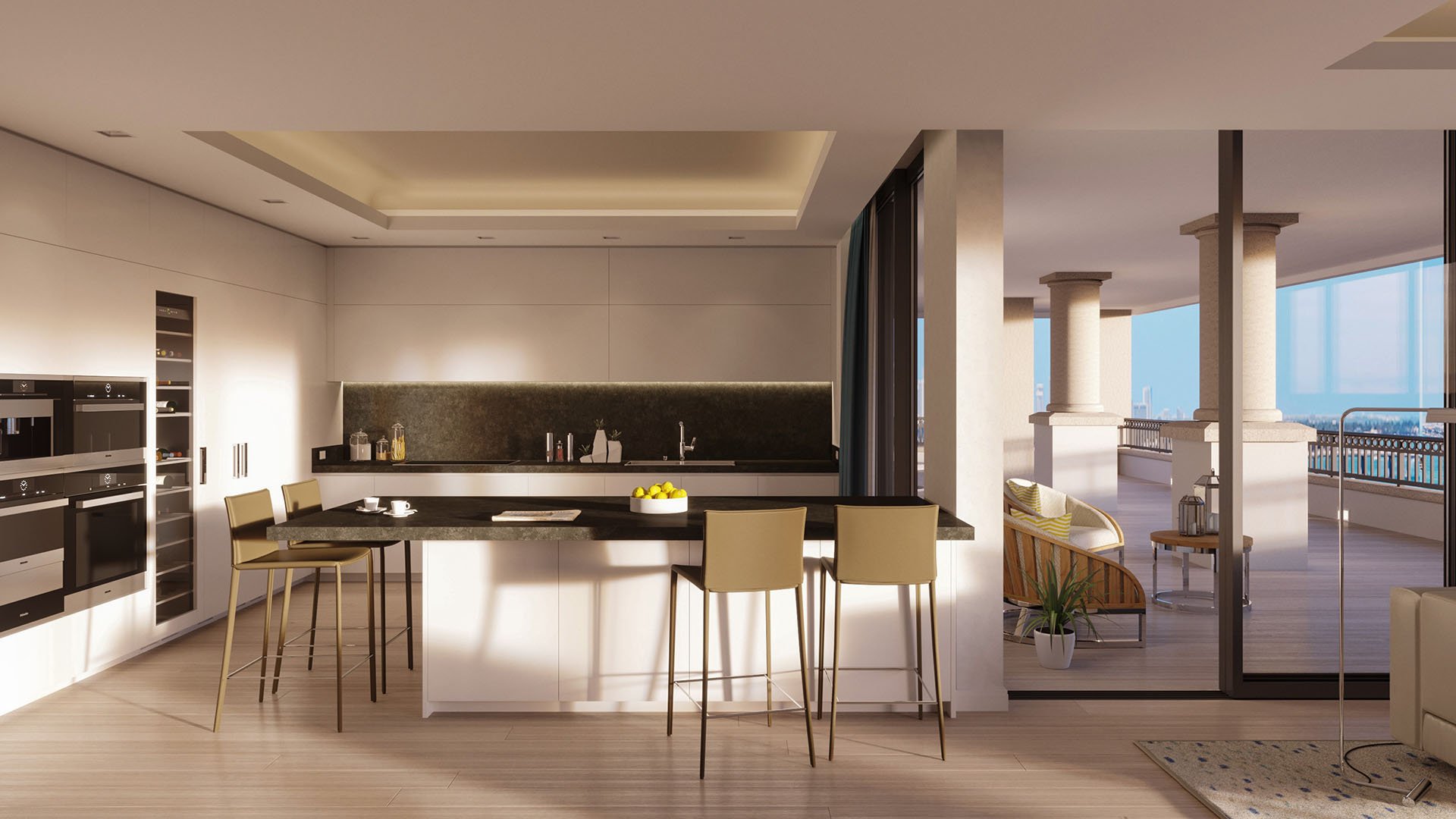
At Palazzo della Luna, the buyer decision is not shaped by a single feature. It is shaped by the full composition of private arrival, architectural scale, service, materials, terrace life, and the quiet confidence that the residence will perform as expected from the first day of ownership. On Fisher Island, where privacy and resort-style living are central to the appeal, whole-home Wi-Fi planning has moved from a back-of-house technical detail into the foreground of the luxury experience.
That shift matters because the modern ultra-luxury residence is no longer used in one narrow way. It may function as a primary home, a second home, a family base, a remote office, an entertainment setting, and a connected smart-home environment. Buyers expect video calls to hold, media to stream, lighting and climate systems to respond, and outdoor lounging areas to feel as connected as the primary living room. When that happens seamlessly, the technology disappears. When it fails, it becomes impossible to ignore.
Palazzo della Luna Fisher Island sits within a rarefied residential context rather than a conventional condominium setting. That distinction matters. In a property where the expectation is discretion, refinement, and ease, digital reliability becomes part of the same promise as sound planning, elegant finishes, and attentive service.
Whole-home Wi-Fi is relatively simple in a compact apartment. It becomes more consequential in a large-format residence, particularly one with expansive interiors, open living areas, floor-to-ceiling glass, premium materials, and generous indoor-outdoor circulation. At Palazzo della Luna, scale and luxury positioning make the network less of an accessory and more of an infrastructure issue.
A buyer walking through a residence of this caliber is often reading the home on several levels at once. The eye takes in volume, light, views, finishes, and the relationship between indoor rooms and terraces. At the same time, the practical mind is asking whether the home will support daily life without friction. Can a call continue from the office to the sitting area? Does streaming work near the terrace doors? Will smart-home systems respond consistently across the residence? These questions may be quiet, but they can influence confidence.
The language around luxury search may include Fisher Island, Miami Beach, terrace, ultra-modern, and waterview, yet the lived experience is more specific. It is the ability to move through a home without losing the digital layer that supports work, entertainment, security, and comfort.
Terraces are central to South Florida luxury living, and they are especially important in residences that embrace indoor-outdoor flow. They also raise the standard for Wi-Fi coverage. A terrace is not merely an architectural amenity. It can be a breakfast room, evening lounge, work perch, family gathering area, or entertainment extension.
If the indoor living room performs beautifully but the terrace becomes a dead zone, the residence feels less complete. In a high-end setting, that gap can feel inconsistent with the property’s broader level of execution. Buyers do not need to understand the technical reasons behind inconsistent wireless performance. They simply experience the interruption.
Floor-to-ceiling glass, wide spans, and premium construction materials can all complicate wireless delivery without intentional design. That does not diminish the architecture. It reinforces the need for planning that respects the architecture before finishes are complete. The best connectivity strategy is not visible, but its absence is.
At the ultra-premium level, the buyer is rarely evaluating only square footage or amenity count. The decision is emotional, logistical, and operational. A residence must feel beautiful, private, and effortless. It must also feel ready.
A live demonstration of strong Wi-Fi across primary rooms, secondary spaces, and terrace areas can help reinforce the impression that the home is well engineered. It tells the buyer that the infrastructure has been considered with the same seriousness as the stone, cabinetry, lighting, and glazing. That kind of assurance can matter when comparable luxury properties offer similar views, service environments, and finish quality.
The inverse is also true. Poor coverage can raise doubts out of proportion to the apparent issue. If a video call freezes during a showing, if a smart-home feature responds inconsistently, or if signal quality weakens in a key entertaining area, the buyer may begin to wonder what else was treated as an afterthought. In luxury real estate, small friction can cast a long shadow.
The most persuasive way to think about whole-home Wi-Fi at Palazzo della Luna is not as a router decision. It is residential infrastructure. Planning should be aligned with room use, terrace use, device density, smart-home systems, and the way an owner actually moves through the home.
That does not require turning the conversation into a technical seminar. In fact, luxury buyers generally should not have to focus on the machinery behind performance. The goal is to create a calm, consistent environment where the network quietly supports everything else. For a remote business user, that may mean reliable cloud-based work and uninterrupted video meetings. For a family, it may mean simultaneous streaming, gaming, smart controls, and security functions. For an owner who entertains, it may mean music, lighting, and guest connectivity that simply work.
This is where digital planning becomes a sales differentiator. The residence can present not only as beautiful, but as operationally complete. In the competitive landscape of South Florida luxury development, smart-home readiness and high-speed connectivity increasingly influence perceived value, particularly when buyers are comparing properties that already deliver privacy, views, service, and design.
Fisher Island’s appeal is rooted in privacy and resort-style living. Palazzo della Luna extends that atmosphere through its ultra-luxury residential positioning. The buyer drawn to this environment is not seeking complication. The expectation is controlled arrival, expansive living, quiet service, and a residence that supports an elevated daily rhythm.
In that context, connectivity is not a novelty. It is part of ease. A buyer should be able to work from a study, stream in a family room, adjust climate from a device, manage connected systems, and step outside without the residence feeling technologically fragmented. The digital layer should feel as composed as the physical one.
For MILLION readers, the lesson is broader than one building. The next generation of luxury evaluation is not only about what is visible in the brochure or immediately apparent during a walk-through. It is about how completely a residence has been conceived. Whole-home Wi-Fi planning signals that the home has been considered not just as an object, but as a living environment.
A sophisticated buyer does not need to approach connectivity with suspicion, but it is reasonable to include it in the due diligence of daily life. The strongest questions are practical. Where will work calls happen? Which rooms will carry the most device activity? How will terraces be used? Are smart-home features dependent on consistent network performance? Can the residence support simultaneous uses without visible strain?
These questions are not meant to reduce a luxury purchase to technology. They are meant to protect the quality of the ownership experience. At Palazzo della Luna, where architecture, privacy, and service define the atmosphere, whole-home Wi-Fi planning can help preserve the sense of calm that buyers are ultimately purchasing.
Why does whole-home Wi-Fi matter at Palazzo della Luna? Because the residences are large-format luxury homes where connectivity must support expansive interiors, terraces, smart-home systems, work, and entertainment.
Is Wi-Fi planning really part of a luxury buyer decision? Yes. In a residence positioned at this level, digital reliability is part of the overall experience rather than a secondary technical feature.
Why are terraces important to the connectivity conversation? Terraces extend daily living outdoors, so buyers may expect calls, streaming, music, and smart controls to work beyond the main interior rooms.
Can premium materials affect wireless performance? They can make wireless delivery more complex, especially when combined with floor-to-ceiling glass, large open spaces, and substantial construction materials.
What should a buyer look for during a showing? A buyer should notice whether connectivity feels consistent across primary rooms, work areas, entertainment spaces, and outdoor living zones.
Does strong Wi-Fi replace good architecture or service? No. It supports them by helping the residence feel complete, functional, and ready for modern ownership.
Why can poor Wi-Fi create concern in a luxury home? It can suggest that technical planning was not treated with the same care as visible design elements, even if the home is otherwise compelling.
Is this mainly about remote work? Remote work is one part of the picture, but reliable Wi-Fi also supports streaming, smart-home features, guest use, and everyday convenience.
How should sellers frame connectivity? Sellers should present it as infrastructure that reinforces ease, readiness, and the quality of the full residential experience.
What is the best way to shortlist comparable options for touring? Start with location fit, delivery status, and daily lifestyle priorities, then compare stacks and elevations to validate views and privacy.
For a tailored shortlist and next-step guidance, connect with MILLION.
If branded residences are on your mind — as a home or as an allocation — we would be glad to share what we are seeing, privately.
Begin a quiet conversation