A discreet guide to Hallandale Beach ownership during the 2026 boat show, separating municipal enforcement from condominium rules and outlining practical plans for guests, vendors, cleanup, and neighbors.
For a Hallandale Beach owner planning around the 2026 Fort Lauderdale International Boat Show, the most valuable luxury may be an evening that leaves the building undisturbed. Guests arrive without a lobby queue, catering departs without a corridor of crates, and neighbors retain the quiet enjoyment of their homes. That outcome begins before invitations are sent.
The essential distinction is between municipal law, condominium governing documents, and considerate hosting. Each matters; none substitutes for the others. A concierge's logistical assistance is not necessarily event authorization, and an advance note to a neighbor does not waive a noise restriction.
For buyers considering 2000 Ocean Hallandale Beach, ownership questions extend beyond the residence: what gatherings are permitted, who approves vendor access, and how are shared spaces protected? These are due-diligence questions, not assertions about the property's policies. Confirm the official 2026 show calendar and current building procedures before committing to vendors or invitations.
In Hallandale Beach, noise complaints after 6 p.m. are directed to the police non-emergency line, 954-764-HELP (4357). That time identifies a reporting channel-not the start of citywide quiet hours or permission for unrestricted noise earlier in the day.
Private condominium policies operate separately. City police do not enforce internal condominium rules concerning noise, parking assignments, pets, or pool use unless the conduct also violates city ordinances or state law. The city's Code Compliance Division likewise handles municipal code enforcement; it does not serve as the condominium board's private enforcement arm.
Before hosting, request the current rules for music, terraces, amenity reservations, guest access, and event hours. Rental advertisements may specify quiet hours or prohibit parties, but those property-specific terms should not be treated as universal owner-use standards.
A sensible sound plan is deliberately conservative: keep speakers indoors and away from shared walls, avoid terrace amplification, and designate someone to respond promptly to concerns. These are hosting recommendations, not legal thresholds. The relevant nuisance concern includes unreasonable interference with another resident's peaceful use and possession-not simply whether the host considers the volume tasteful.
Show-related waterfront activity calls for flexibility in arrival plans, not predictions of a particular elevator delay in Hallandale Beach. Ask management whether delivery appointments, service-elevator reservations, vendor credentials, or protective measures apply. Each is a point to confirm, not a universal requirement.
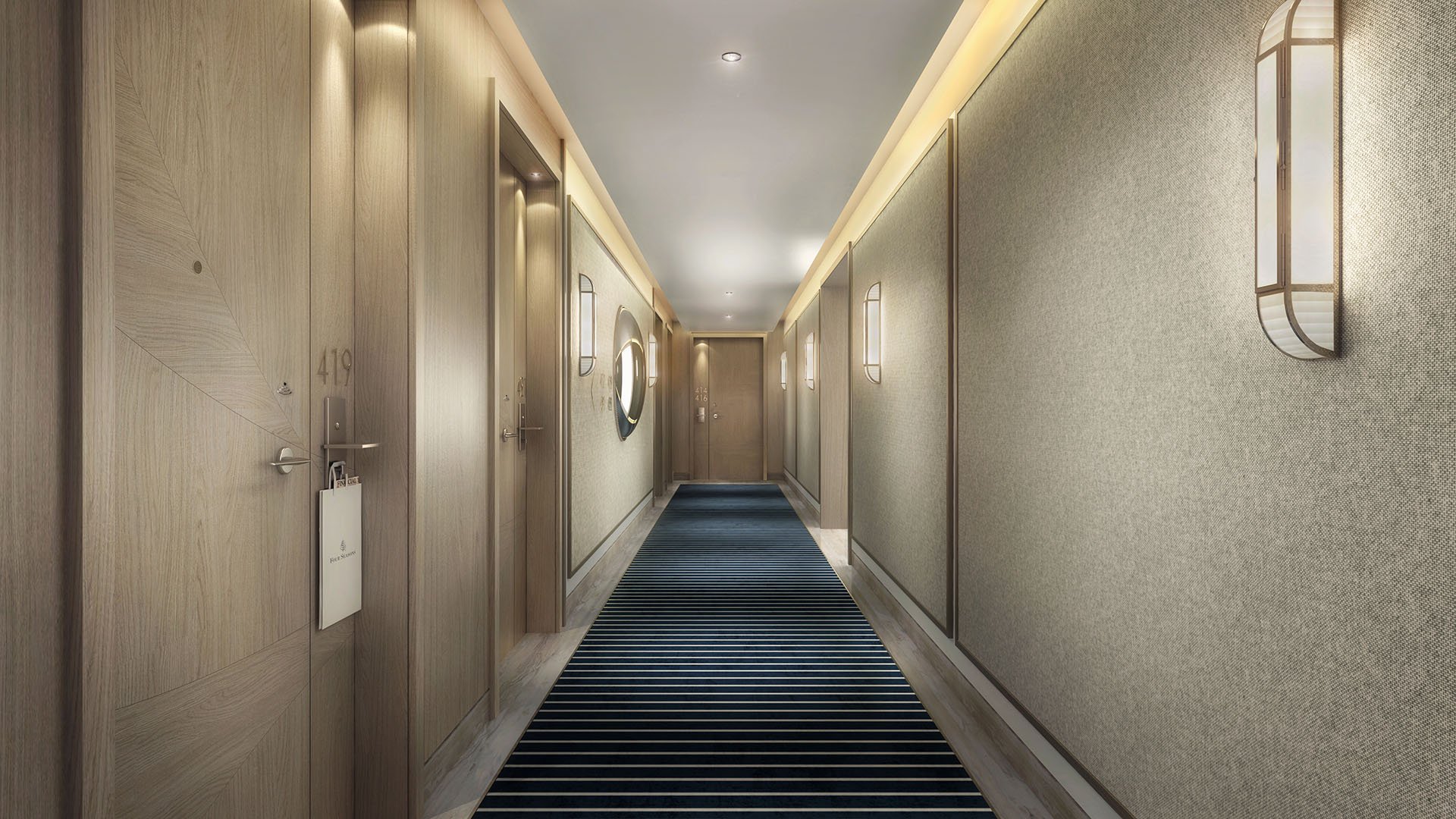
Divide the evening into three phases: setup, guest arrivals, and breakdown. Where management permits, schedule catering equipment to arrive before guests and avoid bringing empty carts back through the lobby during departures. Staggered arrivals can reduce concentrated demand without changing anyone else's access rights.
Give the caterer one building contact and one host contact. Confirm where vehicles may stop, where equipment may wait, and which route vendors should use. Do not assume a service elevator can be held indefinitely or a residential corridor used for staging.
Buyers comparing Hallandale with Four Seasons Hotel & Private Residences Fort Lauderdale should ask the same operational questions at each property. A project name does not establish its guest-flow procedures, and arrangements at one address should never be carried over to another building's event plan.
The catering agreement should cover more than food service. Specify who removes waste, separates recycling under the building's procedures, cleans spills, collects rented equipment, and remains responsible until the last vendor leaves. Agree on departure times with management; the end of service does not mean cleanup can continue indefinitely.
Ask for an approved waste route and disposal location. Do not treat chutes, refuse rooms, or staff areas as automatically available for event-volume packaging. A quiet dinner can become disruptive during breakdown if bottles, carts, and collection vehicles were left out of the original plan.
Arrange a post-event check of the elevator, corridor, and any approved staging area. Have the host or a designated representative address spills promptly and document any damage with management. The purpose is to establish clear responsibility, not transfer routine building maintenance to the owner.
Under Chapter 718's framework, common-element maintenance generally belongs to the association. Separately, an owner can bear repair or replacement costs not paid by insurance proceeds when condominium damage results from specified misconduct, negligence, or rule violations involving owners, occupants, guests, or invitees. Insurance and statutory conditions matter, so avoid blanket assumptions about who pays.
A terrace may feel like an extension of the living room, yet its maintenance obligations depend on the governing documents. A declaration can assign maintenance of specified limited common elements to an owner. Clarify that allocation before placing catering equipment or planning a setup that could affect finishes or drainage.
Capacity is a separate question. An overnight rental occupancy limit is not a capacity standard for a standing event, balcony, or amenity room. Obtain the applicable restrictions for the specific space rather than extrapolating from a listing or floor plan.
When evaluating Shell Bay by Auberge Hallandale, prospective buyers can make this distinction part of their document review: which spaces are private, which are shared, and what approvals govern entertaining? The answers must come from the property's applicable documents, not assumptions about branded residential service.
A brief advance message can identify the anticipated gathering window and provide a direct host contact. Keep it discreet and practical. It is a courtesy, not a request that neighbors tolerate a violation or surrender their right to complain.
If a concern arises, reduce the disturbance first. Debating whether music is technically too loud rarely improves an evening. For recurring issues, document dates, times, and the conduct involved, then use the building's designated complaint process.
Florida Statute 718.303 requires owners, tenants, invitees, and associations to comply with applicable condominium law and governing documents. An association's enforcement duty does not necessarily make it a mediator for every personal disagreement without a covenant violation. Certain common-facility use rights may be suspended for violations, subject to statutory procedures and limitations; that is not unrestricted authority to deny access throughout the building.
Before finalizing plans, assemble one written brief covering permissions, sound expectations, guest arrivals, vendor access, cleanup, and emergency contacts. Confirm current legal and building requirements, and give everyone involved the same approved instructions. A well-managed gathering should leave neither staff nor neighbors to discover the plan in real time.
For a considered approach to Hallandale Beach ownership and South Florida residential choices, explore MILLION.
If branded residences are on your mind — as a home or as an allocation — we would be glad to share what we are seeing, privately.
Begin a quiet conversationThe city's after-6-p.m. instruction concerns where to report noise complaints, not a stated quiet-hours rule. Confirm applicable municipal restrictions and your condominium's current policies separately.
Hallandale Beach directs these complaints to the police non-emergency line at 954-764-HELP (4357).
Police do not enforce private condominium noise rules unless the conduct also violates city ordinances or state law. Internal rule concerns should follow the association's enforcement process.
Service-elevator reservations are a matter to confirm with management, not a universal requirement established here. Ask about delivery windows, approved routes, and equipment staging before booking.
No. Property-specific rental terms do not establish citywide owner-use rules or replace a condominium's governing documents.
Define waste removal, recycling, spill cleanup, equipment collection, and vendor departure times. Include a post-event check of affected common areas.
Chapter 718 provides for owner responsibility for repair or replacement costs not paid by insurance proceeds in specified cases involving misconduct, negligence, or rule violations. The circumstances and applicable legal conditions matter.
No. A declaration may assign maintenance of specified limited common elements to owners, so the governing documents determine the allocation.
No. Advance notice and a direct host contact are practical courtesies, not substitutes for approval or compliance.
Authority to suspend certain common-facility use rights is subject to statutory procedures and limitations. It is not unrestricted authority to deny access throughout a building.