A collector’s guide to preparing a Bal Harbour residence for Art Basel Miami Beach 2026, with practical questions on valuable-articles insurance, conservation-led display, building access, and temporary storage.
For a Bal Harbour owner, preparing for Art Basel is as much about what follows an acquisition as what happens on the fair floor. A considered plan connects insurance, installation, residential access, and any interval in storage. The objective is simple: know where each work will go, who will handle it, and which protections have been confirmed before it moves.
Art Basel Miami Beach 2026 takes place December 4-6 at the Miami Beach Convention Center, with invitation-only VIP Preview Days on December 2-3. Public hours are 11 a.m.-6 p.m. daily. The venue is at 1901 Convention Center Drive in Miami Beach, not Bal Harbour. Keep the fair calendar separate from collection appointments, building delivery reservations, and installation arrangements.
For an owner at Oceana Bal Harbour, begin with a proposed itinerary: acquisition, collection, any temporary storage, delivery, and display. Do not mistake a purchase date for a confirmed installation date.
Ask your broker to review the proposed itinerary against your actual policy. The term valuable-articles insurance should open a conversation, not end it. Request written answers about scheduled works, agreed values, appraisal requirements, deductibles, and limits. If a work belongs to a pair or set, ask how damage to one component would be treated.
Break the journey into loading, transit, unloading, installation, display, removal, and temporary storage. At each stage, establish who is expected to insure the work and whether the proposed location, handler, and activity fit the policy’s terms. Ask how a newly acquired work would be covered before it appears on an updated schedule; do not assume immediate protection.
Prepare an object file for the broker and handlers: identifying details, purchase documentation, available valuation material, photographs, and condition records. Ask what additional documentation the insurer requires. The file should identify the work and make the proposed movement explicit, not substitute a personal inventory for policy requirements.
Request specific clarification of flood, storm surge, windstorm, named-storm, water-intrusion, and mold provisions. Ask about exclusions, deductibles, and any conditions relevant to the proposed residence or storage location. Broad reassurance about weather protection is no substitute for an answer tied to the policy and address.
Discuss periods when the residence will be unoccupied, including any applicable vacancy provisions. Ask whether the planned occupancy pattern or a temporary change in storage location requires notification. Coordinate these answers with the person responsible for responding to an environmental alert or arranging emergency access.
For buyers considering Rivage Bal Harbour, these are ownership-planning questions, not statements about the project’s insurance or operating procedures. Evaluate the collection plan separately from the appeal of the residence.
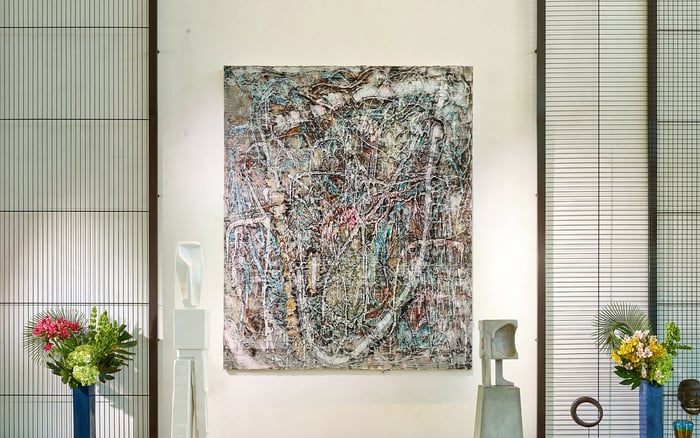
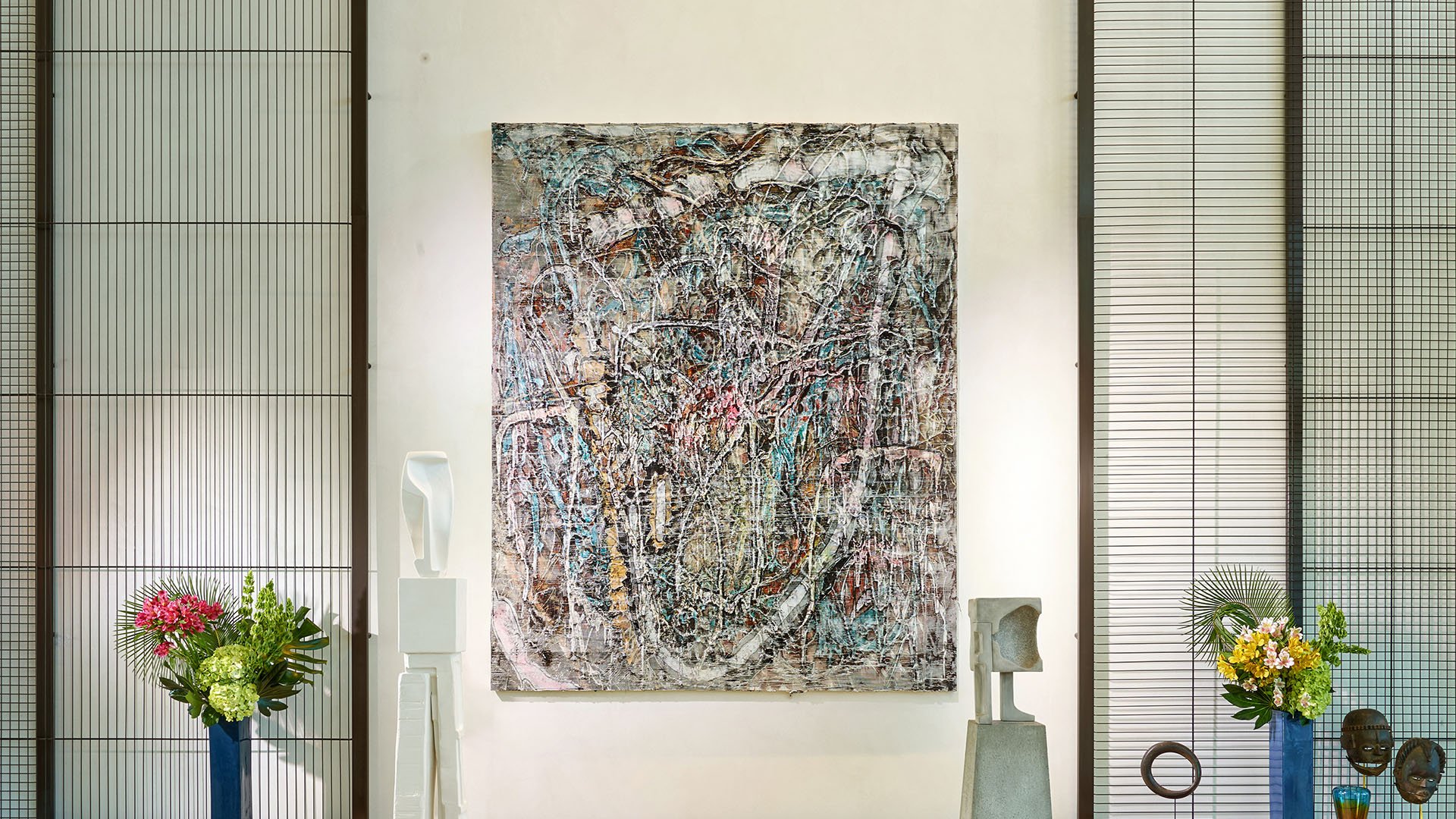
A compelling wall is a design opportunity, not confirmation that a particular work belongs there. Obtain medium-specific conservator guidance before settling on lighting, placement, temperature, humidity, and monitoring arrangements. Do not apply a single environmental target to an entire collection without that review.
Give the conservator photographs and details of the proposed location, including glazing, window treatments, nearby doors, air outlets, and planned lighting. Ask what should be measured, where monitoring devices should sit, and which changes should trigger a response. Discuss the proposed mounting method and any installation constraints with the appropriate specialists.
The same discipline applies when evaluating a Surfside residence such as Fendi Château Residences Surfside. Assess the actual room and intended placement rather than assuming that an address or interior finish establishes suitable display conditions.
Before installation, agree on who reviews the work’s condition, who approves placement, and who retains the photographs. Keep the installation record with the object file so that any future removal begins with a clear reference point.
If a residence or display location is not ready, consider temporary storage rather than forcing an installation. Compare proposals against the needs of the specific works. Ask whether private or shared storage, viewing access, and appropriate handling arrangements are available for the intended dates. Confirm December 2026 availability directly before building the itinerary around it.
Request environmental set points, allowable variation, monitoring arrangements, and procedures for responding when conditions fall outside those limits. Ask to review backup-power provisions, generator-test records, storm and flood plans, access controls, and inventory and custody records. Descriptions of security and resilience should prompt further questions, not serve as guarantees.
Review the agreement as closely as the facility. Clarify custody responsibilities, insurance limits, exclusions, claims procedures, and who insures each work while it is received, stored, viewed, or released. Have the broker assess how the storage arrangement fits the owner’s policy. Advertised security features do not establish insurance coverage.
For later retrieval, ask about notice requirements, authorized release instructions, access arrangements, and applicable charges. Decide who may approve a movement and how that approval will be recorded. A temporary stay deserves the same documentary care as a permanent installation.
Confirm delivery windows, loading access, elevator arrangements, handler credentials, and certificate-of-insurance requirements with the residence’s management. Treat every point as building-specific. Ask the handler to review the proposed route and any crate or equipment constraints before confirming delivery.
Agree on the sequence of events with the seller, handler, any storage provider, and receiving representative. Assign responsibility for documenting condition at each handoff, recording custody, and escalating any discrepancy. Decide in advance what happens if access is delayed or the work arrives in a condition that requires review.
Keep the delivery appointment conditional on essential approvals being in place. A fair-week purchase need not dictate a fair-week arrival at home.
Before departure, decide whether each work will remain on display, move into temporary storage, or travel elsewhere. Revisit the broker’s answers whenever the intended arrangement changes. Keep emergency contacts, access permissions, monitoring responsibilities, and object records available to the people authorized to act.
The practical test is whether the plan remains clear when the owner is away: someone knows the work’s location, someone can respond, and the relevant insurance and custody arrangements have been addressed. That is the foundation for enjoying a collection at home without leaving its care to assumption.
Explore residences that suit your collection and ownership plans with MILLION.
If branded residences are on your mind — as a home or as an allocation — we would be glad to share what we are seeing, privately.
Begin a quiet conversationThe fair runs December 4–6, with invitation-only VIP Preview Days on December 2–3. Public hours are 11 a.m.–6 p.m. daily.
No. It takes place at the Miami Beach Convention Center, at 1901 Convention Center Drive in Miami Beach.
Ask about scheduled works, agreed values, appraisal requirements, deductibles, limits, and pair-and-set treatment. Request written clarification against your actual policy.
Review loading, transit, unloading, installation, display, removal, and temporary storage. Establish who insures the work at every handoff.
Request clarification of flood, storm surge, windstorm, named-storm, water-intrusion, and mold provisions. Discuss applicable exclusions, deductibles, and location-specific conditions.
Obtain medium-specific conservator guidance rather than applying a universal numerical target. Ask about monitoring locations, allowable changes, and response procedures.
Request environmental parameters, monitoring arrangements, generator-test records, storm and flood plans, access controls, and custody documentation. Review insurance limits and claims procedures separately.
No. Clarify the facility’s contractual responsibilities and have your broker review how the storage arrangement fits your policy.
Confirm delivery windows, loading and elevator access, handler credentials, and certificate-of-insurance requirements. Establish the specific building’s arrangements before dispatch.
Confirm where each work will remain, who can respond to an alert, and who has authorized access. Ask the broker about absence or vacancy provisions and any planned location changes.