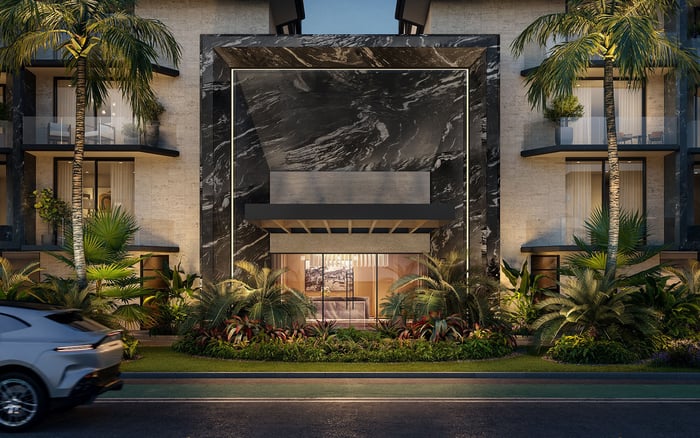
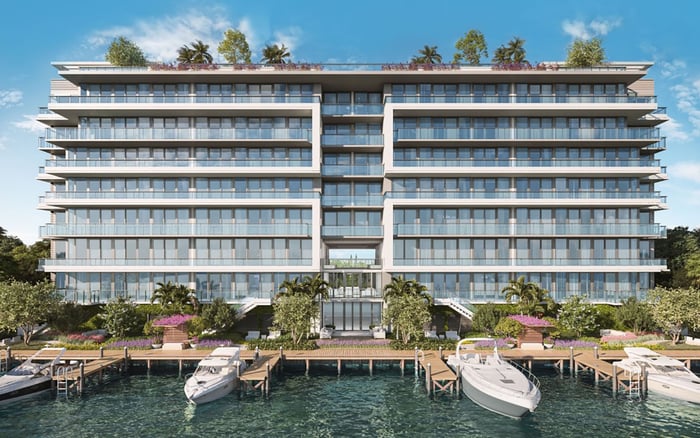
La Baia North presents private dining and spa access as part of its lifestyle proposition, but amenity descriptions alone do not define their ownership economics. Buyers should review the governing documents, budget, contracts, rules and fee schedules before deciding which costs are assessment-funded and which may depend on reservations, vendors or individual use.
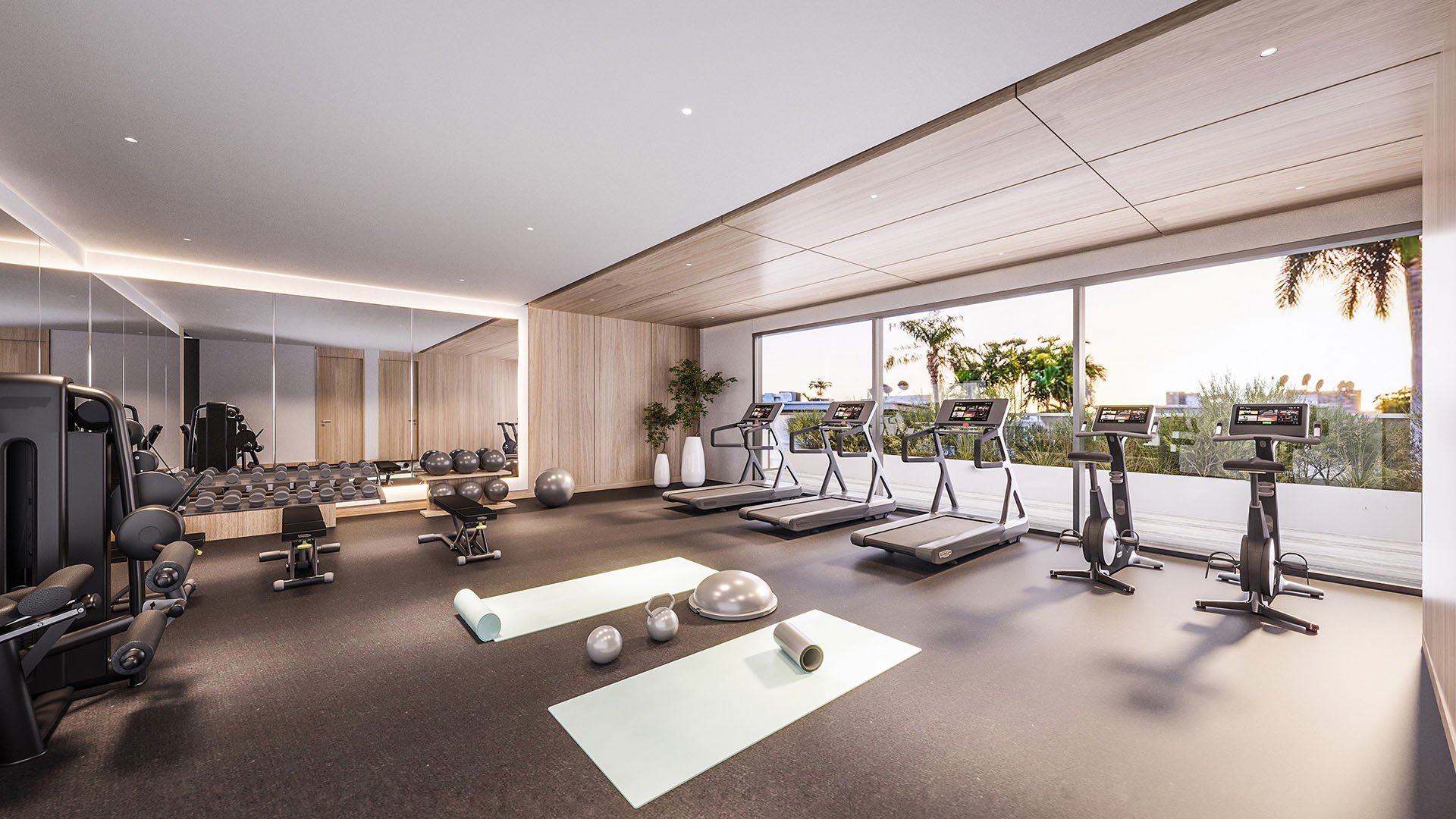
At La Baia North Bay Harbor Islands, private dining and spa access can contribute to the appeal of a service-oriented condominium lifestyle. For a buyer, however, the essential question is not simply whether an amenity is presented. It is what ownership includes after maintenance, cleaning, staffing, scheduling, insurance and vendor arrangements are considered.
A dining setting can offer meaningful space for entertaining without including food service, event labor or unrestricted reservations. Spa access can refer to entry into a shared wellness area without including treatments, appointments or outside providers. Marketing terminology alone does not settle these distinctions.
In luxury condominium underwriting, access is a right to define, not a synonym for free service.
This is why amenity value should be tested against the documents that govern operations. The physical setting may shape the lifestyle proposition, while the declaration, budget, contracts, fee schedules and rules determine how that proposition functions for owners.
A shared amenity is not a static benefit. It can involve utilities, routine care, repairs, supplies, insurance, scheduling and management. A dining venue may also involve cleaning after private use, deposits, approved vendors or event-related charges. A spa or wellness area may require specialized upkeep, while treatments or appointments may operate under an entirely separate service arrangement.
The useful underwriting question is therefore: Which parts of access are supported by regular assessments, and which parts may be optional, reservable or separately priced? That analysis should distinguish entry to a space from exclusive booking, guest privileges, food and beverage purchases, hosted events and treatment services.
Buyers should avoid assigning a single value to a broad amenity label. The physical room, its operating hours, the reservation process and any services delivered within it can each have different economic treatment.
“Private dining” can describe several possible operating models. An owner might reserve a shared venue and arrange catering independently. The space might be available only under specific reservation rules. Use might involve deposits, cleaning charges, capacity limits, approved vendors or responsibility for damage. A more service-intensive arrangement could depend on association decisions or third-party contracts.
None of those possibilities should be assumed without documentation. Buyers should identify who maintains the venue, who controls reservations, what costs follow a booking, whether guest use is treated differently and whether food or event services are part of the common operation or an individual purchase.
This discipline also matters when comparing other Bay Harbor Islands residences. Alana Bay Harbor Islands and La Maré Bay Harbor Islands may appear in the same search, but similarly worded amenities can operate under different documents, budgets and rules. A comparison should focus on enforceable access, recurring obligations and potential usage charges rather than labels alone.
The same distinction applies to spa access. A shared wellness facility and a treatment service are not interchangeable. Regular assessments might support the care of common facilities, while appointments, specialized treatments or outside providers could remain usage-based. A different arrangement may be possible if the operative documents or contracts provide for it.
A buyer should ask whether spa access means entry to a wellness setting, use of shared facilities, the ability to reserve time, priority booking, eligibility to purchase services or some combination of these. Each interpretation has a different effect on value and carrying-cost expectations.
The review should also address operating hours, guest policies, reservation priorities and responsibility for service providers. These details can influence practical usefulness even when the physical amenity itself remains available.
The review should begin with the proposed or adopted budget, declaration, bylaws and current rules. Management agreements, relevant vendor contracts and fee schedules can then help clarify what the association is expected to operate, what management may arrange and what an owner may pay when using a particular service.
A practical framework divides the analysis into four layers:
Buyers should request written clarification when the documents use broad hospitality language without explaining the operating model. The aim is not to predict every future decision, but to separate documented obligations from assumptions.
Shared recreational or waterfront features deserve the same treatment. Their presence does not, by itself, define access rights, operating responsibility, maintenance obligations or individual-use costs. Each feature should be traced to the documents that control it.
A disciplined model starts with the regular assessment and other disclosed fixed obligations. It should not automatically treat every promoted service as included. Where the documents contemplate separate charges, the buyer can add a personal usage allowance for reservations, cleaning, events, treatments or guests.
A second scenario can test a more service-intensive operating model. This helps the buyer consider how broader staffing, longer operating hours or additional vendor support could affect the ownership experience. A third scenario can examine reduced hours, changed vendors or a narrower service scope, since an amenity may have a different personal value if its operation changes.
Scenario analysis does not diminish the lifestyle proposition. It makes the valuation more precise by distinguishing the cost of maintaining a shared setting from the cost of consuming an optional service.
The same framework can be used when considering Onda Bay Harbor or another South Florida condominium. Comparable amenity names do not guarantee comparable rights, charges or operating standards.
Before assigning a premium to dining or spa access, the buyer’s review team should be able to answer several practical questions:
Is the relevant space identified in the governing documents?
Does the budget show the basic cost of operating and maintaining it?
Are reservations required, and who has priority?
Do deposits, cleaning charges or cancellation fees apply?
Are guests permitted under the same terms as owners?
Must owners use approved caterers, therapists or other vendors?
Who carries responsibility for damage, service-provider conduct and event-related risk?
Can service hours, staffing or fee schedules change under the documents?
Answers should come from the operative materials or written clarification, not from assumptions based on broad amenity language.
Private dining and spa access can strengthen La Baia North’s lifestyle appeal, but those labels do not establish that service is unlimited, complimentary or fully absorbed by regular assessments. Until the governing documents, budget, rules, contracts and fee schedules provide clarity, buyers should model these features as operating choices.
That approach preserves the distinction between architecture and service, access and consumption, fixed obligations and elective spending. It also creates a more consistent basis for comparing service-oriented condominiums across Miami-Dade and the wider South Florida market.
For a discreet review of La Baia North and comparable ownership opportunities, connect with MILLION.
If branded residences are on your mind — as a home or as an allocation — we would be glad to share what we are seeing, privately.
Begin a quiet conversationAmenity descriptions alone do not establish fee-included dining or unrestricted use. Buyers should review the governing documents, budget, rules, contracts and fee schedules.
Not necessarily. Spa access may refer to a shared facility, while treatments, appointments or outside providers may operate separately.
Request the budget, declaration, bylaws, rules, management agreements, relevant vendor contracts and current fee schedules.
Shared facilities may require utilities, cleaning, maintenance, repairs, insurance, supplies, scheduling and management.
It may involve reservation fees, deposits, cleaning charges, catering costs or event-related expenses. The operative documents and fee schedules should clarify the arrangement.
Access concerns the right to enter or reserve a space. Consumption covers separately delivered items or services such as meals, events or treatments.
Keep regular assessment-funded costs separate from realistic allowances for reservations, events, treatments, cleaning and guest use.
Service hours, staffing, vendors or scope may change if the governing documents and contracts permit it. Buyers should review how those decisions can be made.
Similar amenity labels can carry different access rights, operating standards and charges. Document-based comparison provides a more reliable ownership analysis.
Treat private dining and spa access as document-controlled operating choices rather than automatically free or unlimited benefits.