At Jade Signature, a polished ownership plan should account for the private staff who make a large residence function. Florida's treatment of domestic workers makes voluntary compensation, employers liability, and carefully coordinated umbrella coverage essential subjects for pre-closing review.
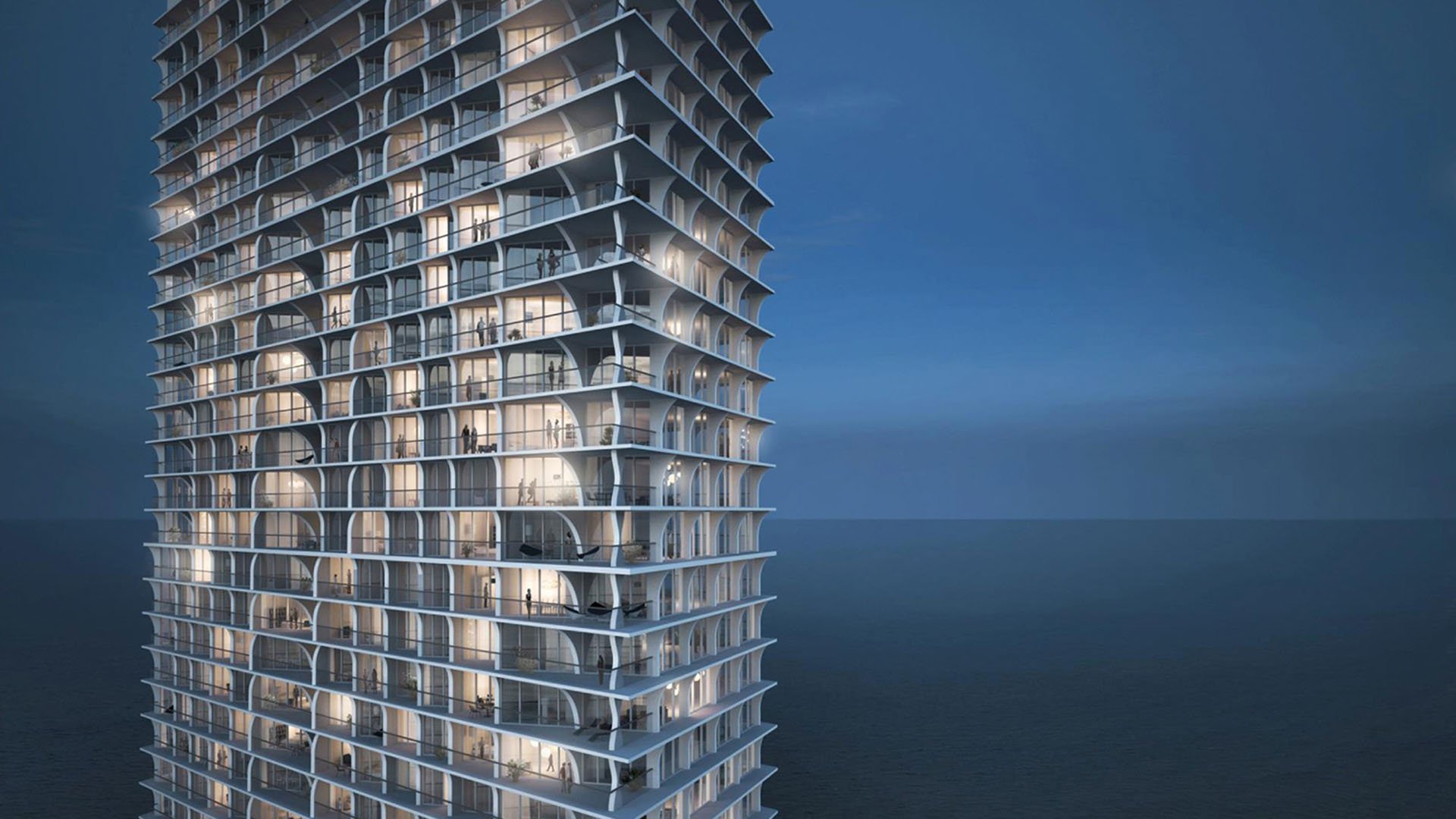
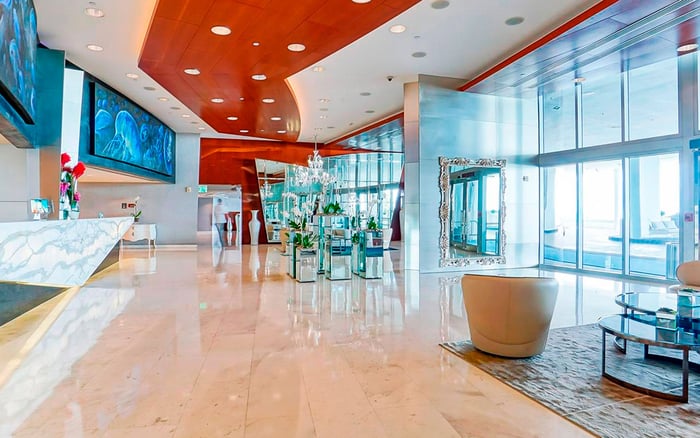
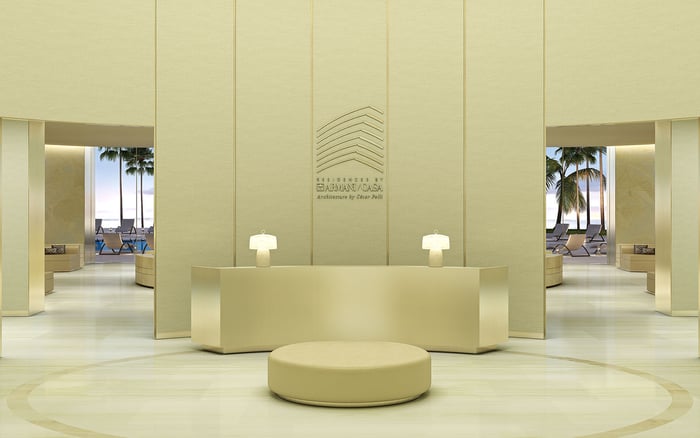
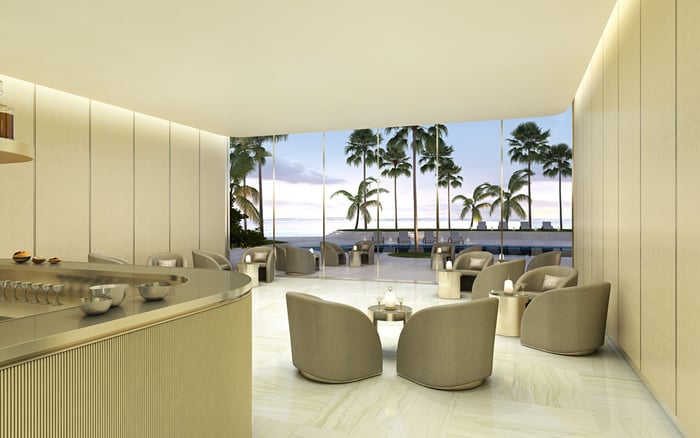
At 16901 Collins Avenue, Jade Signature Sunny Isles Beach occupies an oceanfront setting defined by privacy, service, and expansive residential living. The approximately 650-foot, 57-story tower offers an oceanfront resort deck, zero-entry pool, lap pool, cabanas, hot tub, beach amenities, spa, fitness center, clubroom, business facilities, children’s spaces, and poolside service. Its operating environment also includes 24-hour concierge and valet operations.
That service profile can make daily life feel effortless, but it does not replace an owner’s responsibility for privately retained staff. The distinction is especially relevant because the building’s three-, four-, and five-bedroom residences were designed with service quarters and a full bathroom. A household may employ a housekeeper, nanny, chef, caregiver, driver, gardener, or other residence employee, whether routinely or only on selected days.
The first insurance task is therefore an employment inventory. Record who works for the household, what each person does, where those duties occur, how frequently each person works, who pays them, and who directs their activities. Separate directly employed staff from agency-supplied workers, then obtain evidence of the agency’s own insurance rather than relying on assumptions.
Building service and private household employment are separate risk categories.
Florida’s workers’ compensation rules exclude domestic workers from the statutory workers’ compensation system. For a luxury homeowner, that exclusion should not be mistaken for an absence of exposure. Instead, the conventional mandatory framework does not automatically resolve what happens when a private residence employee is injured while performing household duties.
A Florida household employer may arrange voluntary compensation coverage instead. The relevant residence-employee endorsement is WC 00 03 12, titled “Voluntary Compensation and Employers Liability Coverage for Residence Employees.” For covered employees, it is designed to address voluntary compensation benefits and the household employer’s liability.
Classification also matters. Class Code 0913 applies to full-time domestic workers performing household or domestic work inside or outside the insured residence. Class Code 0908 applies to part-time domestic workers carrying out such work. Distinguishing accurately between the two is material to underwriting, so an owner should not provide a loose staff estimate when a precise schedule is available.
Domestic-staff workers’ compensation coverage has been available to eligible Florida high-value households since at least 2015. The contemplated roles include caring for children, preparing meals, cleaning residences, maintaining gardens, and providing transportation. Current policy forms, eligibility standards, limits, and endorsements still govern each placement.
Jade Signature’s building operations include a full-time lobby attendant, onsite management, security service, controlled card-or-code access, and fire and smoke detection. These measures are meaningful components of the residential environment. They do not, however, alter Florida’s separate treatment of someone privately employed by a unit owner.
Before closing, request the current master-policy summary, declaration pages, bylaws, staff-access rules, service-elevator procedures, and vendor insurance requirements. The objective is to establish where association responsibility ends and unit-owner responsibility begins. Common-area protection should never be presumed to insure an owner in the capacity of household employer.
This discipline is useful throughout Sunny Isles Beach, including when comparing service-intensive residences at Armani Casa Sunny Isles Beach or The Ritz-Carlton Residences® Sunny Isles. Architecture and service models may vary, but private employment arrangements still require household-specific review.
A personal umbrella is commonly viewed as additional liability capacity above scheduled underlying policies. Buyers should not, however, assume that it automatically extends over residence-employee claims or employers liability. The decisive language lies in the current carrier forms and endorsements.
Ask the insurance adviser to identify every policy eligible to sit beneath the umbrella and the minimum underlying limits required. Review exclusions, territorial scope, defense provisions, and the treatment of residence employees. If a driver operates an owner’s vehicle, or another employee occasionally transports family members, verify how the auto policy and umbrella respond. A generalized assurance that the household is “fully covered” is no substitute for policy-level confirmation.
The more dependable structure coordinates the HO-6, personal auto, residence-employee or employers-liability coverage, and umbrella. Named insureds, residence locations, vehicles, staff roles, and policy periods should align. This is particularly important for a second-home owner whose staff, vehicles, or work arrangements may cross property or jurisdictional lines.
Comparable ownership considerations may arise at Turnberry Ocean Club Sunny Isles, but underwriting remains specific to the insured household. A building comparison cannot determine whether an individual owner’s chef, caregiver, or driver is properly scheduled.
A practical file begins with a written roster of employees and recurring workers. For each person, document duties, full-time or part-time status, work locations, driving responsibilities, and whether the engagement is direct or agency-supplied. Request certificates and relevant coverage confirmation from agencies and vendors, while recognizing that recurring workers paid or directed by the owner may warrant closer classification review.
Next, provide the adviser with the proposed deed-holding and ownership details, the HO-6 proposal, auto declarations, anticipated household payroll information, and any existing umbrella. Request written confirmation of whether WC 00 03 12 or another current residence-employee form is being used, which workers are covered, and how employers liability connects to the umbrella.
Finally, compare the insurance file with the condominium documents. Access protocols, service elevators, vendor requirements, and onsite rules can affect household operations even when they do not determine private insurance coverage. A coordinated review helps prevent an employee from being known to building management but absent from the owner’s policy schedule.
This buyer’s-guide approach is equally relevant to a resale purchase and a newly organized ownership plan. The priority is not simply higher limits. It is a coherent structure in which the master policy, HO-6, auto, staff coverage, and umbrella each perform their intended role without an unnoticed gap.
Jade Signature’s amenities and building services support a refined coastal lifestyle, but sophisticated ownership extends behind the scenes. Domestic-staff insurance introduces a defined mechanism for covered residence employees and household-employer liability. Umbrella coverage may then add another layer, provided its underlying-policy requirements and exclusions have been carefully matched.
For a private review of Jade Signature ownership opportunities and related South Florida residences, connect with MILLION.
If branded residences are on your mind — as a home or as an allocation — we would be glad to share what we are seeing, privately.
Begin a quiet conversationLarger three-, four-, and five-bedroom residences were designed with service quarters and a full bathroom, making private household staffing a realistic ownership consideration.
Florida’s rules exclude domestic workers from the statutory workers’ compensation system, although household employers may arrange voluntary coverage.
It is the residence-employee endorsement for voluntary compensation and employers-liability protection for covered domestic workers.
Class Code 0913 applies to full-time domestic workers performing household or domestic work inside or outside the insured residence.
Class Code 0908 applies to part-time domestic workers performing household or domestic work inside or outside the insured residence.
No. Building concierge and security operations do not alter the separate insurance treatment of workers privately employed by a unit owner.
Document each worker’s duties, schedule, work locations, payment arrangement, supervision, driving responsibilities, and direct or agency-supplied status.
Not necessarily. Owners should verify eligible underlying policies, minimum limits, exclusions, territorial scope, and current endorsements.
The review should align the HO-6, personal auto, residence-employee or employers-liability coverage, and personal umbrella.
Request the current master-policy summary, declaration pages, bylaws, staff-access rules, service-elevator procedures, and vendor insurance requirements.