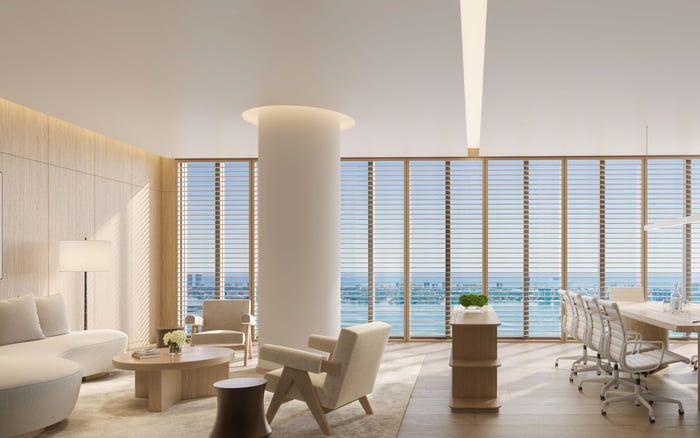
At EDITION Edgewater, buyers should distinguish the residence’s design pedigree from the contractual freedom to personalize it. A disciplined review separates developer delivery obligations, association alteration approvals, and any brand design rights before committing to materials, contractors, or a move-in schedule.
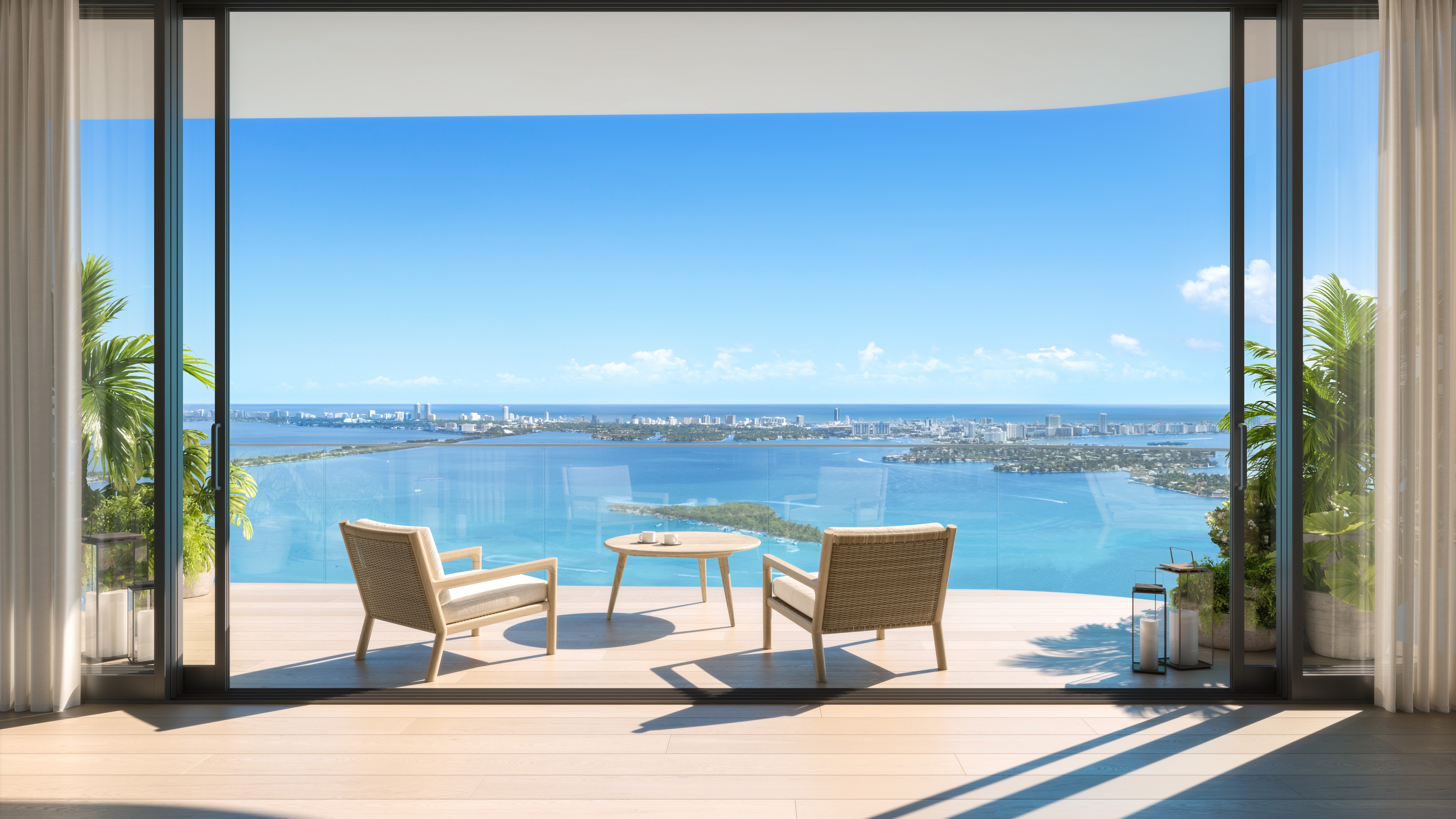
A beautifully composed residence can prompt an immediate wish to personalize it: a different stone, bespoke millwork, or a carefully chosen installation team. At EDITION Edgewater, the ownership question is not simply what an interior could become. It is who can approve that transformation, on what terms, and on what timetable.
Planned at 2121 North Bayshore Drive in Miami’s Edgewater neighborhood, the Two Roads Development project is described as a standalone condominium, not a hotel-condo. Its architecture is by Arquitectonica, its interiors by Studio Munge, and EDITION is a Marriott brand. These distinctions establish the design context-not an owner’s alteration rights.
The project’s exact material restrictions, contractor requirements, approval deadlines, and any renovation moratoriums remain unconfirmed here. Buyers should resolve these questions through document review rather than assume either unrestricted customization or a particular set of prohibitions.
The first distinction is between what the developer promises to deliver and what an owner may change afterward. A purchase agreement’s specifications and delivery provisions answer a different question from an association’s alteration rules. Any brand design rights require a third, separate inquiry.
Ask counsel to identify each approval holder, the document granting its authority, and the work within its jurisdiction. Does the developer control requested changes before closing? Who reviews post-closing alterations? Does a brand-related entity retain approval rights, and, if so, do those rights cover private interiors, visible elements, common areas, or something else? The available project facts do not resolve these questions.
A designer’s participation is not, by itself, evidence of a continuing veto over owner work. Equally, the absence of a hotel component does not establish freedom from design review. Buyers considering Villa Miami alongside EDITION should apply the same document-first inquiry without assuming the projects share approval structures.
Ask whether architectural approval reaches beyond a general design concept. Which exterior, structural, or interior changes require consent, and must the submission include material specifications and drawings? These are due-diligence questions, not confirmed EDITION Edgewater requirements.
Where specifications form part of an approval, changing a specification may require another decision. For EDITION, request a written explanation of which proposed finishes and assemblies require review, what the submission must contain, and whether substitutions need fresh consent.
For a bespoke interior, make the questions concrete. Does the review address appearance, technical performance, or both? Is preliminary concept approval distinct from permission to install? Is any approval conditional on additional drawings, professional review, or permitting?
Before placing nonrefundable orders, have the design team align the proposed scope with the applicable written requirements. An approved visual concept is not approval of every material, detail, or installation method unless the documentation says so.
Separate contractor documentation requirements from restrictions on contractor selection. A request for license and insurance documentation would not, by itself, establish a closed vendor list. Neither requirement is confirmed for EDITION here.
For EDITION, ask whether owners may nominate their own general contractor and specialist trades, what credentials are required, and who accepts them. Request any applicable insurance requirements, submission procedures, and rules governing replacement contractors. Ask separately whether a preferred-vendor recommendation is optional or binding.
Carry this inquiry into the contractor proposal. Identify who prepares the approval package, answers review comments, and manages permit submissions. Ask bidders to state the assumptions behind their start date and completion estimate, particularly where access or approval remains unresolved.
An Edgewater comparison that includes Aria Reserve Miami should examine these questions independently. A compelling floor plan does not establish whether a buyer’s chosen installation team will be eligible to work there.
EDITION’s development timeline requires careful distinctions. A permit application is not evidence of permit issuance or construction commencement, and an anticipated completion date should not be treated as proof of either milestone. Request current written clarification rather than building a fit-out schedule around an unverified development estimate.
A completion estimate, standing alone, does not determine cancellation rights, extensions, or remedies. Counsel should review the individual agreement and amendments to establish the applicable obligations and procedures. Do not assume that a date associated with another purchaser’s agreement governs your own.
Owner work introduces a separate schedule. Ask whether permit copies must be submitted before work starts and whether approved alterations have start or completion deadlines. Confirm when submissions may begin, whether approvals expire, how extensions work, and whether any initial renovation restrictions apply. These are questions to resolve, not established EDITION rules. Do not equate developer completion with readiness for a personalized residence.
With more than 800 linear feet of planned bay frontage, EDITION offers a compelling waterfront setting. For a buyer commissioning a highly individual interior, however, the practical value of that setting also depends on whether the intended scope can be approved and scheduled.
Prepare a short brief before committing to customization: proposed changes, preferred materials, nominated contractors, and the desired occupancy date. Have counsel and the design team map each item to the relevant documents and identify any unresolved permissions. Request the governing documents, applicable alteration procedures, and any provisions establishing brand approval rights.
The objective is not to eliminate design ambition. It is to distinguish an aesthetic preference from an executable plan. Written clarity on authority, specifications, contractor eligibility, and timing gives the buyer a firmer basis for budgeting and deciding whether the residence suits the intended ownership experience.
For a discreet perspective on South Florida ownership decisions, explore MILLION.
If branded residences are on your mind — as a home or as an allocation — we would be glad to share what we are seeing, privately.
Begin a quiet conversationEDITION Residences, Miami Edgewater is planned at 2121 North Bayshore Drive in Miami’s Edgewater neighborhood.
The project is described as a standalone condominium rather than a hotel-condo. That distinction does not establish an owner’s freedom to alter a residence.
Two Roads Development is the developer, with architecture by Arquitectonica and interiors by Studio Munge. EDITION is a Marriott brand.
Project-specific approval authority is not established here. Buyers should have counsel distinguish developer rights, association authority, and any brand design rights in the applicable documents.
No project-specific list of prohibited or permitted materials is established here. Request written clarification of specification reviews and substitution requirements before ordering.
Unrestricted contractor selection is not established for EDITION Edgewater. Buyers should verify nomination rights, credential requirements, and whether any vendor recommendations are mandatory.
Buyers should not assume that it does. Confirm the approval’s scope and whether substitutions or additional technical details require further consent.
An estimate alone does not establish contractual delivery obligations or readiness for owner fit-out. Review the agreement and confirm the separate approvals needed for personalized interiors.
Do not assume it does. Counsel should review the individual purchase agreement and amendments to establish the applicable deadlines, extensions, and remedies.
No immediate renovation entitlement is established here. Confirm submission timing, approval validity, permit prerequisites, and any applicable restrictions before scheduling owner work.