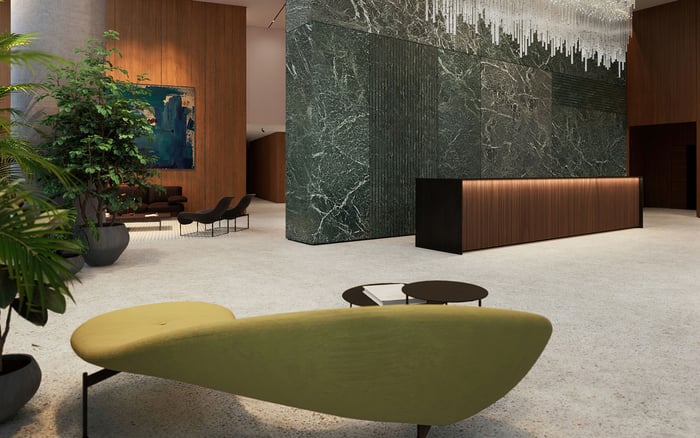
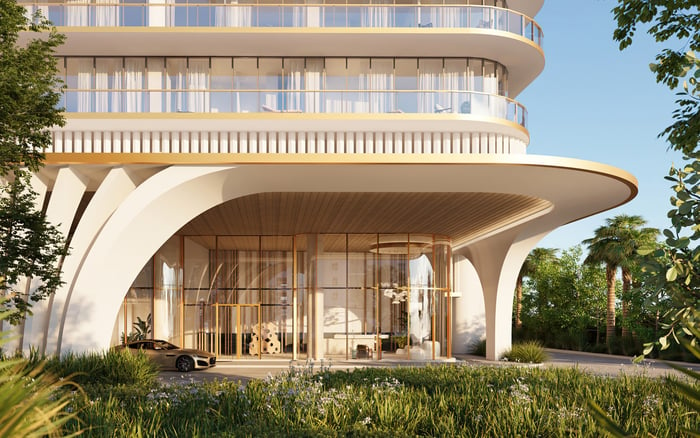
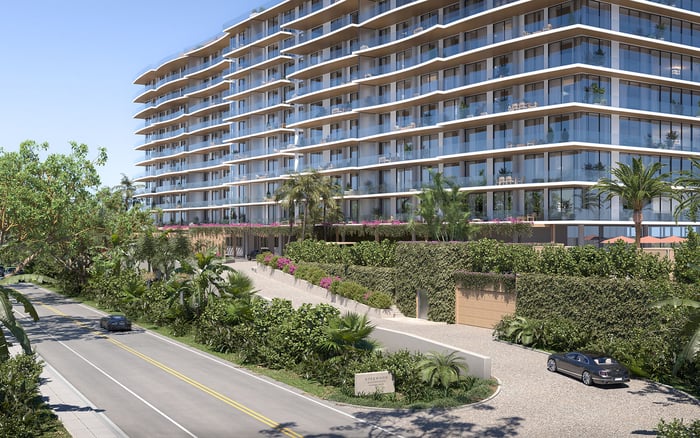
At 619 Residences and One Thousand Museum, wellness value depends on more than the amenity program. Buyers should establish booking availability, guest rights, practitioner access and the division between shared costs and personal charges before comparing ownership expenses.
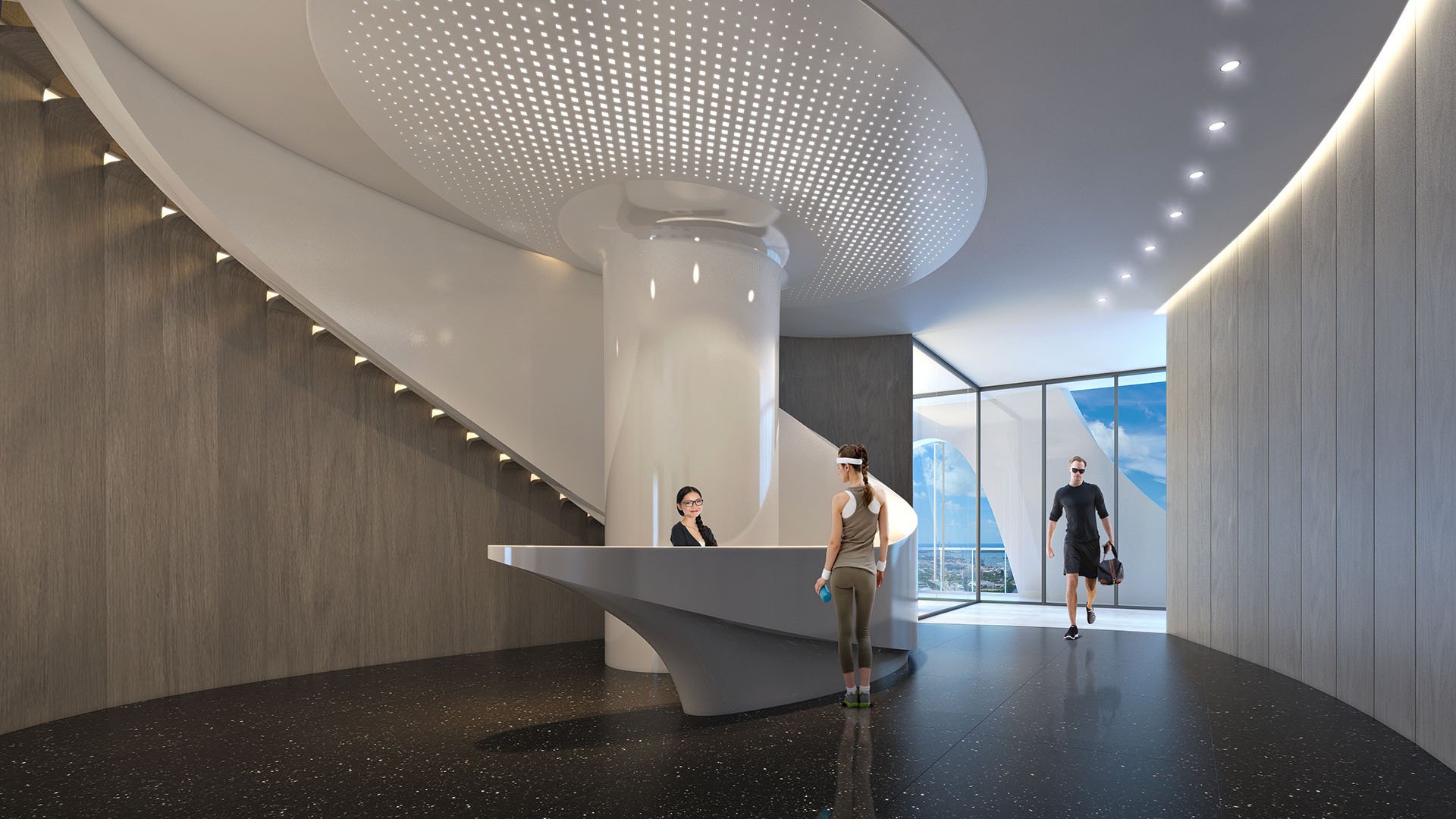
A private wellness floor promises more than a handsome amenity: the possibility of arranging daily life around restoration without leaving home. For a buyer, however, its value depends on whether the desired appointment is available, whether family may participate and whether a trusted practitioner can work within the building.
Those questions frame the comparison between 619 Residences by Foster + Partners + Nobu Hospitality and One Thousand Museum Downtown Miami. The former has an extensive planned wellness and longevity program; the latter’s described wellness facilities span two indoor/outdoor levels. Neither amenity description establishes a comparable annual wellness cost or guarantees access at a preferred hour.
The distinction is straightforward: a facility is not an entitlement to use it on demand. Buyers should evaluate the space, the operating rules and the charges as separate parts of the purchase decision.
619 Brickell is Nobu’s first Miami residential project, on Biscayne Bay, designed by Foster + Partners with Sieger-Suarez Architects. Its advertised program comprises 296 residences and approximately 90,000 square feet of private amenities. That area covers the overall amenity offering, not wellness alone.
The planned wellness program occupies two dedicated floors anchored by the Nobu Spa and Longevity Center. A marketed $25 million wellness investment conveys the proposal’s ambition, but it is not an annual operating budget, a reserve contribution or an estimate of an individual owner’s fees.
Planned facilities include cryotherapy chambers, hyperbaric oxygen suites, an IV and peptide therapy lounge, physical therapy suites and ozone therapy. The planned spa offering also includes treatment rooms, a hammam, steam and sauna rooms, a Himalayan salt room and relaxation areas. Fitness plans include Pilates equipment, indoor yoga and spinning studios, and an outdoor yoga pavilion.
For ownership-cost purposes, distinguish three categories: expenses shared through the association, services charged when used and any optional membership or package charges. Confirm whether that third category exists rather than assuming it does. The advertised investment does not establish how these costs will be allocated, and treatment terminology does not establish clinical qualifications or efficacy.
Designed by Zaha Hadid Architects, One Thousand Museum’s advertised wellness facilities occupy the eighth and ninth floors. The described program includes indoor movement and stretching areas, landscaped outdoor fitness space, private massage and beauty-treatment rooms, steam and sauna rooms, plunge pools and a relaxation lounge.
The advertised spa arrangement specifies two treatment rooms-one couples room and one individual room-with therapies arranged through the concierge. This is a useful physical detail, but it does not establish appointment availability. Two rooms may accommodate different services, schedules and practitioner requirements; their existence does not confirm how many bookable sessions are offered.
Nor should the 2018 announcement of planned treatments, private-studio classes and an organic food and juice bar be treated as confirmation of present service delivery. Buyers need the current service menu and operating arrangements. The same distinction applies to management: a historical selection does not establish today’s management contract.
At both properties, the meaningful capacity question is personal. Can the building accommodate the owner’s preferred treatment, with the appropriate practitioner, at the desired time? Total amenity area and treatment-room counts cannot answer that question without details on staffing, opening hours, appointment lengths and booking restrictions.
Request the booking window, limits on advance reservations, peak-hour rules and any cap on recurring appointments. Establish how waitlists work, whether owners receive priority and whether different treatments compete for the same rooms. Ask for cancellation deadlines and charges, including how provider cancellations are handled.
For 619, distinguish proposed operating policies from commitments documented for delivery. For One Thousand Museum, request current rules and a representative view of bookable availability rather than inferring convenience from the concierge arrangement.
A practical test is to describe an intended weekly routine and ask management to explain how it would be booked and billed. This turns a broad promise of convenience into a specific ownership question without assuming that a recurring slot is guaranteed.
619’S Wellness and Longevity Center is advertised as residents-only. That language does not settle whether accompanied visitors, adult children, overnight guests or unaccompanied family members qualify. One Thousand Museum’s concierge-booking description likewise does not establish guest eligibility.
Ask for definitions of owner, resident, registered occupant and guest, then identify which facilities each category may use. Clarify whether guest access requires the owner’s presence, advance registration, a separate charge or a limit on visits. These are questions to resolve, not established restrictions at either property.
At 619, keep hospitality access distinct from wellness access. Plans distinguish a public ground-level Nobu restaurant with a private resident dining room from an 11th-floor residents-only Nobu café and bar. Restaurant access does not establish access to the wellness floors. Nor should advertised in-residence dining, private chefs and poolside service be assumed to be included in condominium fees.
An owner may value continuity with a trusted therapist, trainer or clinician more than the breadth of a treatment menu. Neither property’s described program establishes permission for an outside practitioner to use shared treatment spaces.
Request the approval process, insurance requirements, credential checks, room-use charges and any restrictions tied to an exclusive service operator. Clarify whether an approved provider may enter a residence but not use the shared spa. These are distinct permissions and should be confirmed separately.
At 619, the planned clinical-sounding therapies make practitioner qualifications and responsibility for service delivery particularly important questions. Concierge coordination at One Thousand Museum does not, by itself, answer those questions either. If a broader search includes The Well Coconut Grove, apply the same document-based test without assuming equivalent access arrangements.
The essential ownership file should include the current or proposed association budget, the applicable fee schedule, wellness operating rules, booking and cancellation policies, guest rules, and outside-provider approval requirements. For a planned program, identify which terms remain provisional.
Ask which costs are included in assessments, which treatments carry separate charges and how equipment maintenance and replacement are funded. Then model the household’s intended use, keeping shared expenses separate from personal treatment spending.
There is no supported basis here to declare either property less expensive to operate or easier to book. The more useful conclusion is that wellness value rests on documented access that matches the owner’s routine, with charges made explicit before purchase.
For a discreet discussion of wellness-led ownership in Brickell and Downtown Miami, connect with MILLION.
If branded residences are on your mind — as a home or as an allocation — we would be glad to share what we are seeing, privately.
Begin a quiet conversationNo. It is a marketed wellness investment figure, not an annual operating budget or an estimate of an individual owner’s condominium fees.
No. That figure covers the overall private amenity program; the planned wellness offering is described as occupying two dedicated floors.
Plans include the Nobu Spa and Longevity Center, with spa and fitness spaces alongside facilities for cryotherapy, hyperbaric oxygen and other advertised therapies. These descriptions do not establish treatment efficacy or practitioner qualifications.
The advertised arrangement specifies two treatment rooms, one couples room and one individual room, with therapies arranged through the concierge.
No. Availability also depends on staffing, operating hours, session lengths and reservation limits, which the room count does not establish.
Not necessarily. The description does not establish accompanied guest access, family allowances, visit limits or guest charges.
Permission is not established for either property. Buyers should request written approval rules, insurance requirements and any restrictions on using shared treatment rooms.
The described programs do not establish which treatments, if any, are included. Buyers should obtain the applicable budget and fee schedule to separate shared expenses from personal service charges.
No. That announcement described a historical management selection and planned services, not confirmation of today’s management arrangement or service delivery.
Request the current or proposed budget, fee schedule, wellness rules, booking and cancellation policies, guest rules and outside-provider requirements. Identify any provisional terms in a planned program.