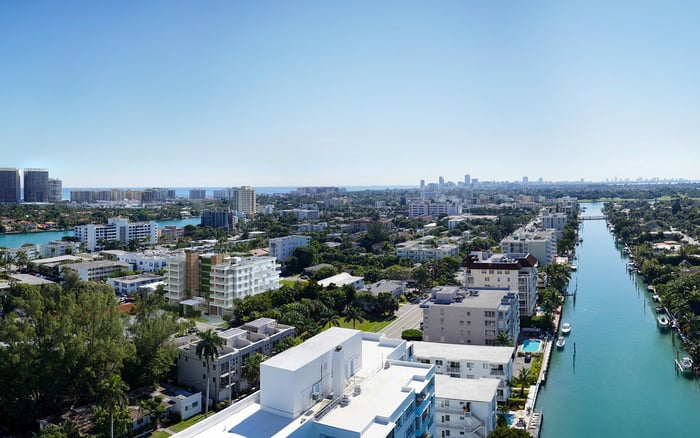
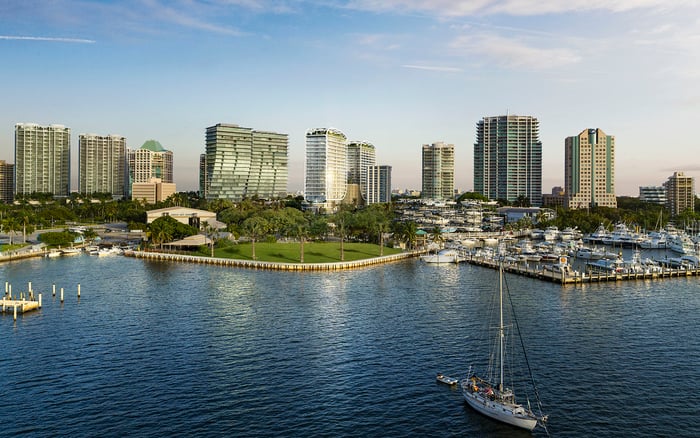
A discreet buyer’s guide to ownership considerations around three distinct South Florida luxury residential settings: coastal Fort Lauderdale, urban Brickell, and refined Miami Beach.

South Florida’s ultra-prime condominium market is not a single story. It is a set of highly specific ownership propositions shaped by geography, building culture, service expectations, and the way a residence will actually be used. That distinction matters when comparing Auberge Beach Residences & Spa Fort Lauderdale, Cipriani Residences Brickell, and The Ritz-Carlton Residences® Miami Beach.
Each address speaks to a different expression of luxury. One is associated with the coastal calm of Fort Lauderdale, one with the urban velocity of Brickell, and one with the residential prestige of Miami Beach. For a buyer, the more useful question is not which name is most recognizable. It is which ownership structure, lifestyle cadence, and long-term holding profile best match the way capital, time, and family will use the property.
At this tier, the emotional appeal of a residence should be paired with a careful review of association documents, service obligations, monthly carrying costs, rental rules, insurance context, reserves, and governance. Those factors rarely photograph well, yet they often define the ownership experience.
For buyers considering Auberge Beach Residences & Spa Fort Lauderdale, the ownership angle begins with lifestyle tempo. Fort Lauderdale offers a more composed coastal rhythm than Miami’s densest urban neighborhoods, while remaining deeply connected to South Florida’s luxury corridor. That can appeal to owners seeking a residence that feels restorative rather than performative.
Due diligence should begin with the building’s operating culture. A luxury coastal residence may involve elevated expectations around maintenance, staffing, building access, valet operations, guest protocols, and service consistency. Buyers should study how the association balances privacy with hospitality, especially if the property will be used seasonally or as a second-home base.
Fort Lauderdale buyers should also weigh the practical side of ownership. Coastal exposure can make maintenance philosophy especially important. Building management, reserve planning, insurance treatment, and long-range capital planning should be viewed as part of the asset, not as background paperwork. A beautiful residence becomes more compelling when the building’s financial and operational standards support it over time.
Brickell has a different center of gravity. It is defined by walkability, office proximity, dining, culture, and a vertical city lifestyle. Cipriani Residences Brickell sits within that urban ownership conversation, where buyers often evaluate not only the residence itself, but how efficiently it supports a full-time or part-time Miami life.
The ownership angle in Brickell is often convenience and continuity. A buyer may value the ability to move between home, meetings, restaurants, wellness routines, and waterfront access without relying on the slower rituals of a purely resort-oriented setting. For some owners, that compression of daily time is the true luxury.
Yet urban ownership carries its own considerations. Buyers should review parking logistics, guest access, elevator planning, delivery protocols, pet policies, rental rules, and the practical flow of the building at peak times. In a dense neighborhood, operations matter. A sophisticated brand experience must be supported by disciplined condominium governance and clear resident standards.
Brickell can also carry a different liquidity profile than quieter enclaves because its buyer pool often includes executives, international owners, investors, and residents who prioritize access to Miami’s financial core. That breadth can be attractive, but it makes the distinction between personal use, rental flexibility, and long-term ownership intentions even more important.
Miami Beach ownership requires a more nuanced lens. It is not merely about proximity to the water or the cachet of an internationally known address. It is about how a building manages privacy, arrival, service, and the boundary between resort energy and residential calm.
For buyers studying The Ritz-Carlton Residences® Miami Beach, the ownership question often centers on the value of service culture within a private residential environment. Branded service can be meaningful, but the buyer should understand exactly how service standards are governed, funded, and translated into daily life. The prestige of a name is strongest when the building’s association structure supports the promise behind it.
Miami Beach buyers should also consider personal patterns. Will the residence be occupied year-round, used around the social calendar, held as a legacy asset, or treated as a seasonal retreat? Those answers affect the importance of storage, staffing, security, pet policies, guest procedures, and the owner’s tolerance for building activity.
There is also an architectural and neighborhood dimension. In Miami Beach, a residence is judged not only by interiors and amenities, but by arrival sequence, view orientation, outdoor space, and the ability to feel removed while remaining close to culture. Buyers should compare those intangible qualities with the documents that govern everyday use.
Branded residences can offer confidence, consistency, and an elevated service vocabulary. Still, ownership is ultimately governed by legal documents, association budgets, and resident rules. Buyers should separate the emotional value of a brand from the practical mechanics of condominium living.
Key questions include who controls service standards, how staffing is funded, what the association budget includes, how reserves are handled, and what rights owners have regarding alterations, leasing, guests, and pets. Even two luxury buildings in the same market can feel very different once the governing documents are reviewed.
The most successful buyers treat brand as one layer of value rather than the entire thesis. A respected name may support market recognition, but daily satisfaction depends on execution. The best ownership experience aligns brand promise, building governance, personal lifestyle, and exit strategy.
The cleanest comparison is lifestyle-first. Auberge Beach Residences & Spa Fort Lauderdale may appeal to a buyer who wants a coastal Fort Lauderdale base with a more relaxed rhythm. Cipriani Residences Brickell may suit an owner who wants urban immediacy and an address connected to Miami’s financial and social core. The Ritz-Carlton Residences® Miami Beach may fit the buyer who prioritizes privacy, service, and a refined Miami Beach setting.
None of these ownership angles is inherently superior. They are different expressions of luxury. The right choice depends on whether the residence is meant to be a primary home, pied-a-terre, second-home refuge, family gathering place, or long-term portfolio asset.
Before committing, buyers should request and review the full condominium documents, current budget, reserve position, insurance information, rental restrictions, house rules, pet policies, alteration procedures, and any brand or service-related obligations. At this price level, refined ownership is as much about what is written into the structure as what is visible in the residence.
What is the main ownership difference among these three residences? The primary difference is lifestyle context: coastal Fort Lauderdale, urban Brickell, and service-oriented Miami Beach each create a distinct ownership rhythm.
Should brand influence the purchase decision? Yes, but it should not replace document review. Brand value is strongest when governance, service delivery, and owner expectations are aligned.
What should buyers review before making an offer? Buyers should study condominium documents, budget, reserves, insurance information, house rules, rental policies, and any service-related obligations.
Is Brickell better for full-time living? Brickell can be especially practical for buyers who value walkability, business access, dining, and daily urban convenience.
Is Fort Lauderdale better for a quieter coastal lifestyle? Fort Lauderdale can appeal to owners seeking a calmer coastal base while remaining connected to the broader South Florida luxury market.
What makes Miami Beach ownership different? Miami Beach ownership often places extra emphasis on privacy, arrival experience, service culture, and the balance between energy and discretion.
Are rental rules important in luxury condominiums? Yes. Rental rules can affect flexibility, financing assumptions, tax planning, and future resale appeal.
How should buyers think about monthly carrying costs? Carrying costs should be evaluated as part of the lifestyle and service model, not simply as an expense line.
Do reserves matter in newer or luxury buildings? Yes. Reserve planning helps indicate how an association approaches long-term maintenance and capital discipline.
Which residence is the best choice? The best choice is the one whose location, governance, service model, and use restrictions match the owner’s actual lifestyle.
If you'd like a private walkthrough and a curated shortlist, connect with MILLION.
If branded residences are on your mind — as a home or as an allocation — we would be glad to share what we are seeing, privately.
Begin a quiet conversation