A practical owner-operations review of Armani Casa Sunny Isles Beach, separating its established amenity offering from the storage-title, environmental-control, inventory, and access questions seasonal owners should resolve in writing.

For an owner who divides the year between residences, luxury includes confidence that a home remains orderly in their absence. At Armani Casa Sunny Isles Beach, the operational review should extend beyond the apartment to storage ownership, environmental conditions, personal-property records, and authorized access.
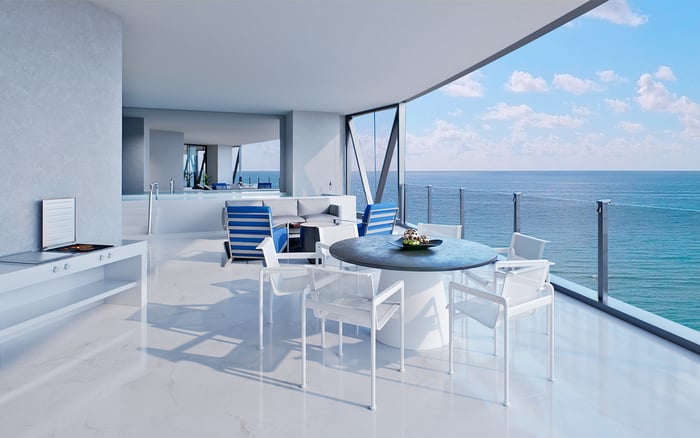
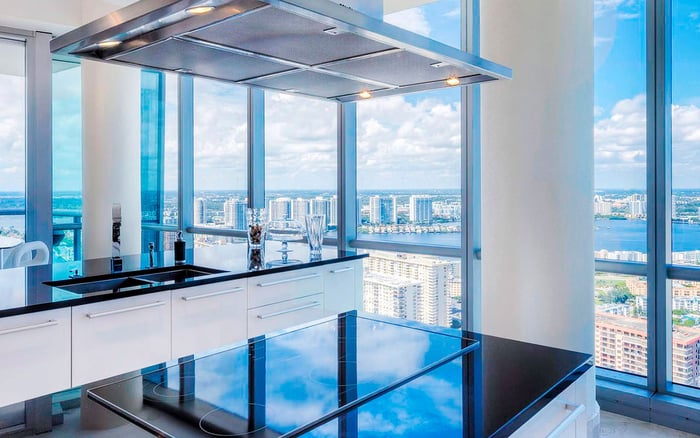
Located at 18975 Collins Avenue in Sunny Isles Beach, the oceanfront development contains 308 condominium residences in a 56-story tower. Its amenities span more than 35,000 square feet across two floors, with spaces designed and custom furnished by Armani/Casa Interior Design Studio under Giorgio Armani’s artistic direction.
That design pedigree establishes a compelling residential setting. It does not establish that a particular storage room is conditioned, that staff maintain an owner’s inventory, or that a caretaker can enter without advance authorization. Each question warrants a separate written answer before an extended departure.
The private-storage configuration is described as 14 rooms of approximately 209 square feet each, numbered PS-1 through PS-15, excluding PS-13. These rooms are described as standalone condominium parcels with individual folio numbers and undivided interests in the common elements, rather than limited-common-element lockers. Treat those descriptions as preliminary until the recorded documents and parcel records confirm the specific room.
For a buyer, the distinction matters: a room described as separately titled should not be treated as an informal accessory automatically included with the residence. Ask closing counsel to reconcile the purchase agreement, deed, title commitment, parcel identification, and condominium documents. Confirm whether the transaction includes the storage parcel and whether ownership or transfer restrictions apply.
Obtain the recorded declaration and all amendments. Have counsel establish the association’s authority over storage use, alterations, entry, and transfers. A seller’s room key or longstanding use is no substitute for documentary confirmation of the rights being purchased.
Air-conditioning, temperature ranges, humidity control, and environmental monitoring in the private storage rooms remain unverified. The word “conditioned” should therefore remain a due-diligence question, not a promised feature.
Request a written explanation of how the specific room is served. Ask whether cooling reaches the room itself, whether humidity is controlled separately, who maintains the equipment, and what happens during an interruption. Confirm whether operating conditions are measured and historical readings are available.
If management permits, consider independent temperature and humidity logging before placing sensitive possessions inside. One comfortable visit cannot establish year-round performance. For artwork, leather goods, textiles, or other sensitive belongings, seek item-specific storage advice and confirm the insurer’s requirements rather than selecting a universal target.
A buyer also considering Jade Signature Sunny Isles Beach should apply the same room-specific review there. This is a due-diligence framework, not an assertion that the two properties offer equivalent storage conditions. Compare written specifications and responsibilities, not the impression created by the amenity tour.
Inventory controls should begin with the owner’s records, not an assumption that building personnel will track private possessions. An association-maintained inventory system or storage-access ledger is not established here.
Create a secure master inventory linking each item to its precise location. Useful fields include a description, photograph, identifying number where applicable, acquisition documentation, condition, and container or shelf reference. Keep valuation records separate from the working checklist provided to a caretaker.
For items moved between the residence, storage, and an outside specialist, record the date, person handling the item, destination, and acknowledgment of receipt. A simple, consistently maintained movement log is more useful than an elaborate system nobody updates.
Limit access to sensitive records. A service provider may need a task list and location reference without knowing the value of every possession. Ask the insurance adviser how property in a separate storage parcel should be described and insured; do not assume the residence’s coverage resolves that question.
Emergency-entry procedures, caretaker permissions, package handling, and storage-access records remain unverified. Before leaving, request the current written rules and agree with management on an authorization process that complies with them.
Identify each authorized person, the spaces they may enter, the permitted tasks, and the duration of authorization. Distinguish access to the residence from access to a storage parcel. Confirm identification requirements, appointment arrangements, any escort requirements, and how permission is withdrawn.
Address routine visits and emergency entry separately. Ask who may act when the owner cannot be reached, how notifications are delivered, and what documentation follows an entry. Have counsel review the relationship between owner instructions and the association’s rights under the governing documents.
When comparing Turnberry Ocean Club Sunny Isles, request its own written access procedures rather than assuming a familiar service model carries over. For either purchase, the objective is a workable chain of responsibility, not merely a name left at the front desk.
The shared amenities include a lobby lounge, private dining area, restaurant, cigar room, wine cellar, heated pool, fitness center, spa, and movie theater. Beach amenities are advertised to include food and beverage service, attendants, chaise lounges, and umbrellas.
Those services belong in the lifestyle evaluation, but they do not establish custody of private possessions. Wine storage or access to a cigar room should not be equated with ownership of a private storage parcel, environmental guarantees for other belongings, or inventory management.
Likewise, association-fee coverage for shared services should not be interpreted as a personal absence-management agreement. Request the current budget, applicable storage charges, and written service scope. Identify which tasks belong to the association, which require a separate provider, and which remain with the owner.
Before a long absence, assemble one operating file containing confirmed ownership documents, current permissions, insurance contacts, inventory records, and the agreed inspection schedule. Specify who receives routine updates and who is contacted if conditions change.
Ask management what delivery arrangements are permitted while the residence is unoccupied. Agree with the caretaker on how visits, observations, and item movements will be documented. Before monitoring equipment becomes part of the arrangement, review building permission, connectivity, and a practical response plan.
On return, reconcile the inventory and review outstanding maintenance issues. The strongest owner-operations plan makes responsibilities clear without making daily life feel administrative. Its foundation is straightforward: documented rights, verified conditions, and carefully limited authority.
For a discreet perspective on South Florida ownership and buyer due diligence, connect with MILLION.
If branded residences are on your mind — as a home or as an allocation — we would be glad to share what we are seeing, privately.
Begin a quiet conversationThe development is located at 18975 Collins Avenue, Sunny Isles Beach, Florida 33160.
The 56-story oceanfront tower contains 308 condominium residences.
No. Air-conditioning, temperature ranges, humidity control, and monitoring in the private storage rooms are not established and should be verified for the specific room.
The storage configuration is described as 14 rooms of approximately 209 square feet each, labeled PS-1 through PS-15, excluding PS-13. Confirm those details against recorded documents and parcel records.
They are described as standalone condominium parcels with individual folio numbers and interests in the common elements. Closing counsel should verify the legal structure and the specific parcel included in the purchase.
Review the purchase agreement, deed, title commitment, parcel identification, recorded condominium declaration, and all amendments. Confirm ownership, use, entry, and transfer provisions.
No. An advertised shared amenity does not establish ownership of a specific storage parcel or environmental conditions within it.
Include item descriptions, photographs, identifying details, condition, and precise locations. Maintain a movement log and restrict access to sensitive valuation records.
Caretaker permissions are not established. Obtain current written rules and confirm authorization separately for the residence and any storage parcel.
Ask who may enter, what authority applies, how the owner is notified, and what documentation follows. Owner instructions should be reviewed alongside the association’s rights under the governing documents.