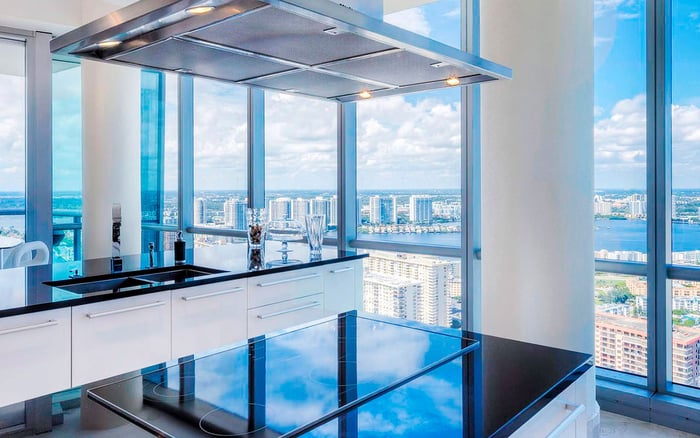
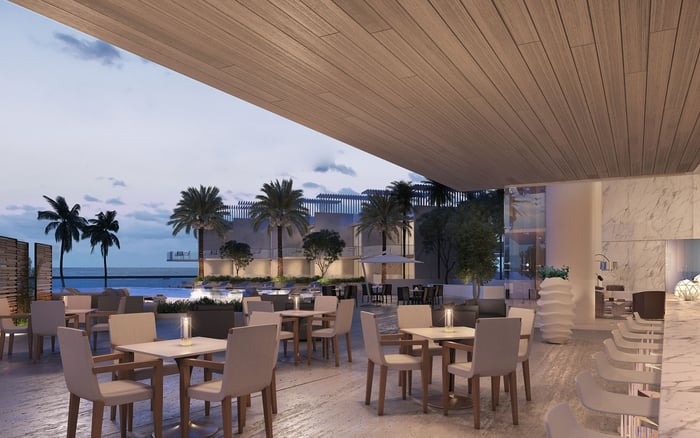
For Bentley Residences buyers, impact-glass approval and window warranty coverage answer different questions. A disciplined review connects the specified assembly, installation records, written coverage and condominium responsibilities before a future claim arises.
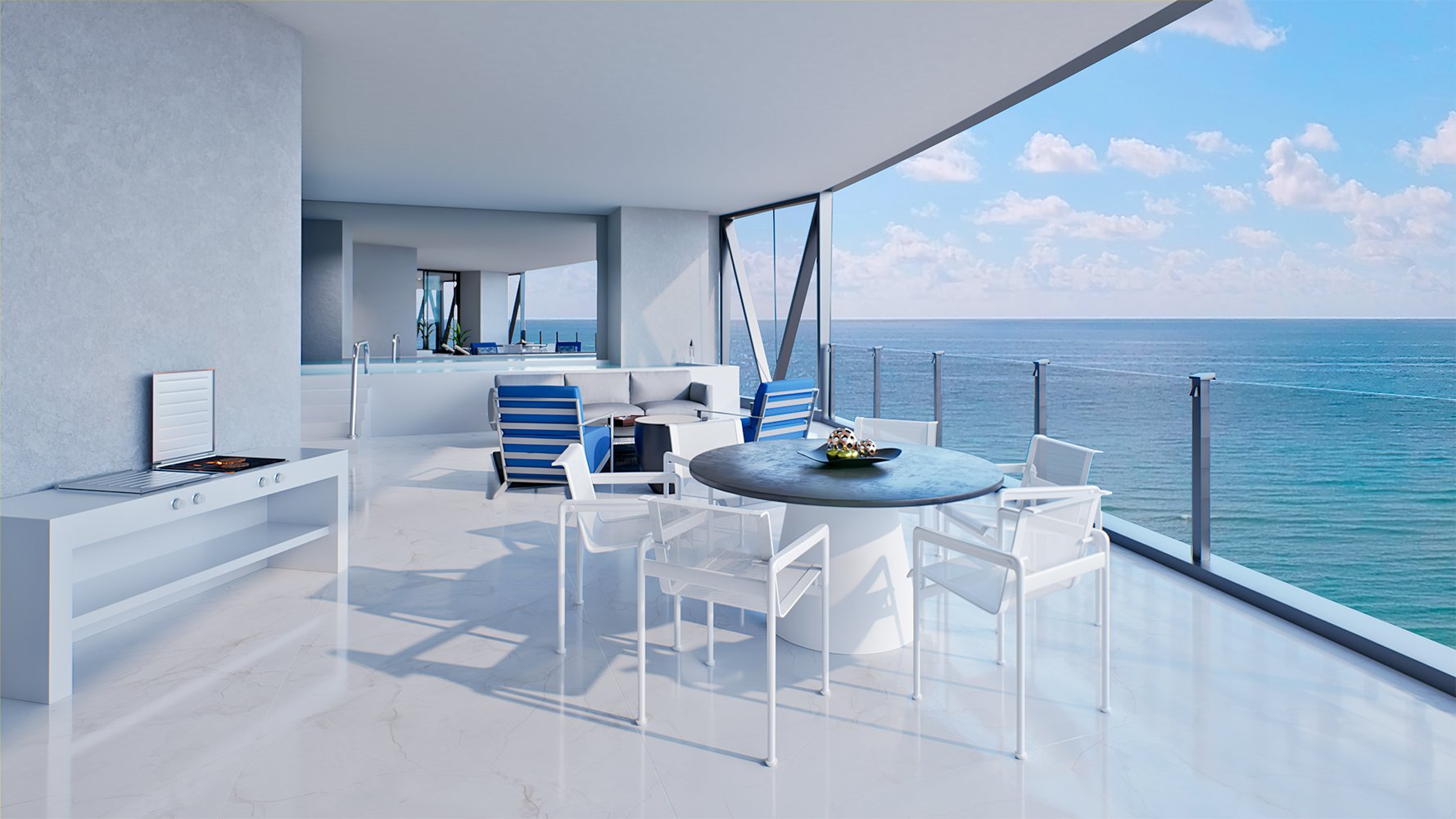
At Bentley Residences Sunny Isles, floor-to-ceiling windows frame Atlantic Ocean and Intracoastal views. For a buyer evaluating that experience, the glazing warrants attention beyond its visual effect. The essential distinction is between what a window assembly is approved to withstand and what someone has agreed to repair or replace.
Impact-glass certification and warranty coverage answer different questions. Certification addresses tested performance and approved conditions of use. A warranty defines contractual coverage, subject to its written terms. Neither, on its own, establishes that a future hurricane loss will result in a manufacturer payment or an insurance recovery.
Descriptions such as “floor-to-ceiling impact-resistant double glass windows” should therefore be treated as marketing language, not substitutes for product approvals or executed warranties. The buyer’s objective is to connect the promised view to the specified assembly, its installation records and the documents governing a future claim.
Sunny Isles Beach is within Miami-Dade County’s High Velocity Hurricane Zone, or HVHZ, where exterior glazing is subject to hurricane opening-protection requirements. That protection can be provided through impact-resistant glazing or approved impact-resistant coverings. The requirement itself does not identify Bentley’s particular window system.
ASTM E1996 and ASTM E1886 address windborne-debris performance and testing under cyclic pressure. Relevant Florida testing standards also include TAS 201 for impact, TAS 202 for uniform static pressure and TAS 203 for cyclic wind pressure. These designations describe performance criteria and testing-not compensation following damage.
A large-missile test uses a nine-pound wooden 2×4 traveling at 50 feet per second. That is a defined laboratory condition, not a promise that glass will withstand every object or storm without damage. The useful question is not simply whether a window is called impact-resistant, but which approved assembly and performance conditions apply to the residence.
For high-rise glazing, impact resistance is only part of the engineering review. Design-pressure requirements also matter. An impact-resistant description alone does not establish suitability for a particular opening. Buyers should not assume that a generic rating applies uniformly throughout a tower.
Request the exact window and glazed-door models, applicable Florida Product Approval or Miami-Dade Notice of Acceptance numbers, and the project’s approved glazing schedule. Have a qualified professional match those documents to the residence’s openings and applicable engineering requirements. A recognizable approval designation is useful only when it corresponds to the system under review.
The same document-led comparison is appropriate for buyers also considering Jade Signature Sunny Isles Beach. Compare what each residence’s records establish; a shared location does not imply shared glass specifications, pressure ratings or warranty protection.
Approved installation details can specify anchors, spacing, substrates and sealants. Product certification does not independently prove that the installation followed those details. Request installation inspection records alongside the approval documents so the review addresses both the assembly and how it was installed.
Do not infer a Bentley-specific manufacturer, coverage period or transfer right from the project name or a glazing description. Establish those details through the written warranty applicable to the installed system.
Ask for a component-by-component explanation covering frames, hardware, insulated-glass seals and laminated glass. Then distinguish the product remedy from installation labor. Determine whether the relevant terms address replacement materials, labor, both or neither for the condition at issue. An assurance that the windows are “under warranty” is not enough.
The review should also establish when coverage begins, how long each relevant provision lasts, whether it transfers to a subsequent purchaser, and whether registration or other steps are required. Request the actual maintenance obligations, exclusions, notice deadlines and claim-submission procedure. These are questions to resolve in writing, not benefits to presume.
Finally, ask who receives notice and who evaluates the alleged defect. For a future owner, a clearly identified contact and procedure can be as important in practice as the stated coverage duration. Retain the executed terms with the product and installation documents.
Consider three hypothetical concerns: a suspected insulated-glass seal failure, a leak around a frame and glass damaged during a storm. These are not interchangeable descriptions of a loss. Each calls for a review of the relevant condition, installation evidence and written coverage, without presuming the cause or the responsible party.
For a suspected seal issue, ask which warranty provision addresses insulated-glass seals and what documentation is required. For a leak, ask the reviewing professional to consider the assembly and installation details rather than treating an impact rating as an answer about water entry. For storm damage, keep the product approval, warranty review and insurance review distinct.
An approval number can help identify what the system was authorized to do under stated conditions. It does not establish manufacturer liability for a particular event. Similarly, impact-test compliance is not proof of hurricane-damage coverage or a guaranteed insurance payment. Have the relevant professionals evaluate the actual terms and circumstances before drawing a financial conclusion.
A buyer comparing Bentley with Turnberry Ocean Club Sunny Isles should apply the same ownership questions to each property, without assuming identical answers. Review the condominium documents to determine who maintains, replaces and insures the windows, and who pursues a claim: the owner, the association or both.
Clarify the process for reporting a problem, arranging an inspection and authorizing work. Ask how an individual owner’s warranty documents relate to any association-held records. Confirm responsibility for maintaining a window and authority to pursue a particular claim rather than inferring either from the window’s location within the residence.
Have condominium counsel review the allocation of obligations, and an insurance adviser examine the relevant policies separately. The goal is a clear account of responsibility, not a general assurance that the building or the owner is covered.
Build one organized file containing the specified models, approval numbers, approved glazing schedule, installation inspection records, written warranties, maintenance requirements and claim contacts. Add the condominium provisions governing windows and the relevant insurance documents for separate review.
If a document is still pending, request written clarification of what will be delivered and when. Preserve the final versions rather than treating an early sales description as the enduring record. This approach does not guarantee a successful claim, but it gives the buyer a clearer basis for assessing performance, coverage and responsibility before a problem arises.
For a discreet, document-focused approach to your South Florida residence search, connect with MILLION.
If branded residences are on your mind — as a home or as an allocation — we would be glad to share what we are seeing, privately.
Begin a quiet conversationNo. Certification addresses tested performance and approved use, while warranty coverage depends on the applicable written terms.
Request the exact window and glazed-door models, applicable approval numbers, approved glazing schedule and installation inspection records.
Yes. Sunny Isles Beach is within Miami-Dade County’s High Velocity Hurricane Zone, where exterior glazing is subject to hurricane opening-protection requirements.
No. Opening protection can involve impact-resistant glazing or approved impact-resistant coverings, so the requirement alone does not identify the project’s system.
They address impact testing, uniform static-pressure testing and cyclic wind-pressure testing, respectively. They do not define warranty compensation.
No. The cited nine-pound wooden 2×4 test at 50 feet per second represents a laboratory condition, not a guarantee against every storm impact.
High-rise glazing must address the design-pressure requirements for its openings. An impact-resistant description alone does not establish suitability.
Ask about frames, hardware, insulated-glass seals, laminated glass and installation labor. Also confirm duration, exclusions, transferability, maintenance obligations and notice deadlines.
Review the condominium documents to determine the owner’s and association’s respective maintenance, replacement, insurance and claim responsibilities. Do not assume the allocation.
No. Product approval, warranty coverage and insurance coverage are separate matters that require review of the relevant documents and circumstances.