A discreet ownership experience begins with knowing which information belongs on an intercom, which belongs in association records, and which remains accessible through municipal records. This review frames the privacy questions buyers should resolve at 2200 Brickell without assuming unconfirmed operating policies.
For a discerning buyer, discretion is part of the residential experience. Yet privacy at 2200 Brickell is not a single setting management can switch on. It involves separate decisions about visitor-facing displays, association records, contact information, and government property files. Each serves a distinct purpose, with its own boundaries.
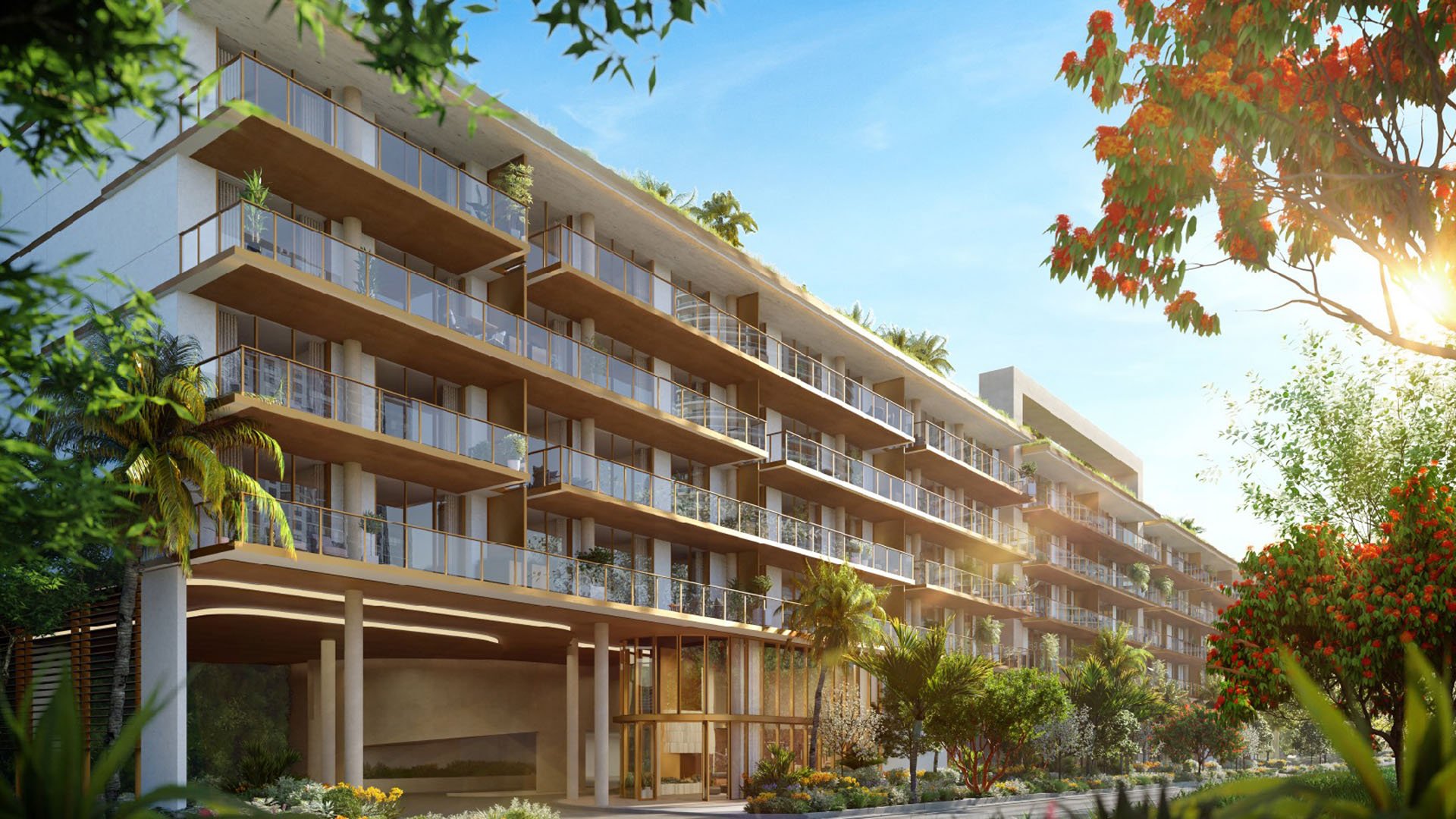
The property stands at 2200 Brickell Avenue, Miami, FL 33129. A 105-residence boutique building, it offers a useful setting for examining the relationship between personal service and information exposure. A smaller residential scale should not, however, be mistaken for anonymity or an exemption from condominium recordkeeping.
The essential distinction is simple: reducing the visibility of a resident's name at the entrance does not erase the association's owner roster. Nor does it remove municipal records. A thoughtful owner-operations review asks what visitors can see, what management must retain, and what eligible parties may inspect.
The residences feature floor-to-ceiling windows, private balconies, and richly appointed kitchens and bathrooms, with design by ODA New York. These design and architecture details describe the physical offering; they do not establish how household identities appear on a lobby screen.
Features noted for unit 413 include key-card entry, building security, an attended lobby, fire sprinklers, and a lobby intercom. These features do not confirm operating procedures. They do not establish who can search the intercom, which names appear, or how management handles a request to change a display.
2200 Brickell's actual intercom naming rules, resident-directory practices, consent forms, and record-access procedures are not established here. Buyers should request those policies in writing. The distinction that matters is between access-control equipment and the rules governing its use.
Under Florida's 2025 condominium statutory framework, an association must maintain a current owner roster containing mailing addresses, unit identifications, voting certifications, and telephone numbers when known. That roster is an association official record, not simply a directory that helps a visitor call upstairs.
Official records are generally inspectable by association members or their authorized representatives at reasonable times, subject to statutory exceptions. This is a qualified member-access framework, not a declaration that every association file is freely available to the general public.
An entrance directory serves a different purpose: connecting a visitor with a household. A recommended operating approach is to keep statutory ownership data separate from preferred intercom labels, occupant details, and emergency contacts. Each should have a defined use and access rules.
For buyers considering Una Residences Brickell alongside 2200 Brickell, this distinction provides a consistent due-diligence question. Ask each property's management to explain its records and display practices rather than assuming a shared neighborhood standard.
The 2025 statutory framework restricts member access to specified personal information, including Social Security numbers, driver-license numbers, credit-card numbers, and emergency-contact information. Email addresses, telephone numbers, facsimile numbers, and certain owner addresses also fall within restricted-information provisions, subject to exceptions and consent.
The important counterpoint is that an owner's name, unit designation, mailing address, property address, and address supplied for association notice requirements are excluded from the broad personal-identifying-information restriction. Owners should not assume that every detail connected to ownership is confidential simply because it concerns a private residence.
Florida law also permits an association to print and distribute a directory containing owners' names, unit addresses, and telephone numbers. An owner may request in writing that telephone numbers be excluded from that association directory. Written consent may authorize disclosure of additional contact information otherwise restricted under the statute.
These distinctions require careful reading. The telephone-number opt-out is not a verified intercom rule at 2200 Brickell, nor is it a blanket right to remove all ownership information. Florida condominium counsel should review the governing documents and applicable law before advising on a specific restriction. This discussion uses the 2025 statute edition; counsel should confirm any later changes.
A practical recommendation is to consider unit numbers or neutral household labels as default intercom identifiers, with resident names displayed only after written approval. This is a proposed approach, not an established policy at 2200 Brickell.
Before relying on that arrangement, an owner should ask whether the system supports alternative labels and how visitors would locate the correct household. Management should also clarify who approves changes, who can view the underlying contact details, and how a display preference is updated when occupancy changes.
The strongest arrangement would document preferences without conflating them with legal ownership records. A neutral screen label should not overwrite the statutory roster. An emergency contact should not become a visitor-facing entry merely because it is stored in the same operational system.
The objective is limited operational privacy: reducing unnecessary exposure while preserving dependable access and lawful administration. It is not guaranteed anonymity.
The City of Miami maintains property permits and plans so buyers and owners can review a building's history. Municipal property records therefore belong in a separate diligence category from intercom settings or association directory preferences.
Suppressing a resident's intercom name does not remove permit and plan records. Equally, the existence of municipal records does not mean every piece of household contact information should appear in a lobby. Keeping these categories distinct prevents an owner from expecting one privacy measure to resolve an unrelated records issue.
When evaluating The Residences at 1428 Brickell or another residential option, buyers can apply the same distinction without assuming identical policies: assess visitor-facing information, association access obligations, and municipal building history independently.
For buyers who place discretion at the center of their lifestyle priorities, the next step is a focused written request. Ask for the intercom naming policy, directory consent process, telephone-number exclusion procedure, and official-record inspection protocol. Request a clear explanation of which information is displayed, retained internally, or available through qualified records access.
Then have counsel review the response against the governing documents and applicable condominium law. A well-defined policy should make the boundaries clear without promising more privacy than the association can lawfully deliver.
At 2200 Brickell, the most useful ownership question is not whether the building is private in the abstract. It is whether its documented procedures support the discretion a household expects while preserving service, recordkeeping, and legitimate access.
For a considered approach to South Florida residential ownership, explore MILLION.
If branded residences are on your mind — as a home or as an allocation — we would be glad to share what we are seeing, privately.
Begin a quiet conversation2200 Brickell is located at 2200 Brickell Avenue, Miami, FL 33129, in Miami's Brickell area.
The property is described as a 105-residence boutique building.
Its actual intercom naming rules are not established here. Buyers should request the written policy before relying on a particular display preference.
No; the owner roster is an association official record, while a lobby or intercom directory is a visitor-facing display.
Under the 2025 Florida condominium statutory framework discussed here, members or their authorized representatives generally may inspect official records at reasonable times, subject to statutory exceptions.
The 2025 statute allows an owner to request telephone-number exclusion in writing. This should not be treated as a confirmed rule for 2200 Brickell's intercom.
No; a display preference does not eliminate the association's statutory owner-roster or records-inspection obligations.
Specified restricted information includes Social Security numbers, driver-license numbers, credit-card numbers, and emergency contacts. Other contact details are also restricted, subject to exceptions and consent.
No such rule is established here. Unit numbers or neutral household labels are a recommended approach for management and counsel to consider.
No; Miami's property permits and plans are a separate records category and are not removed by suppressing an intercom name.