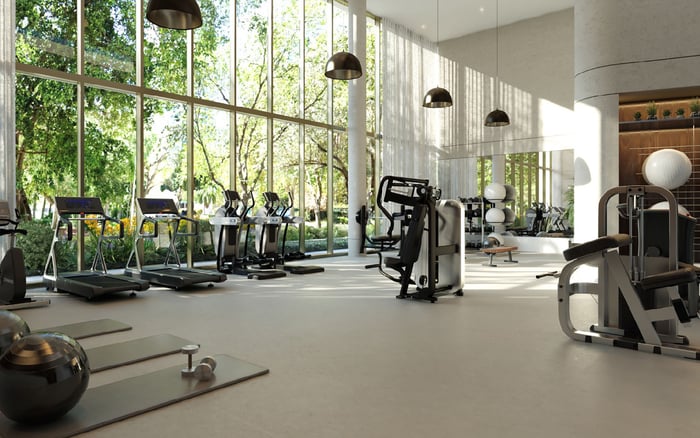
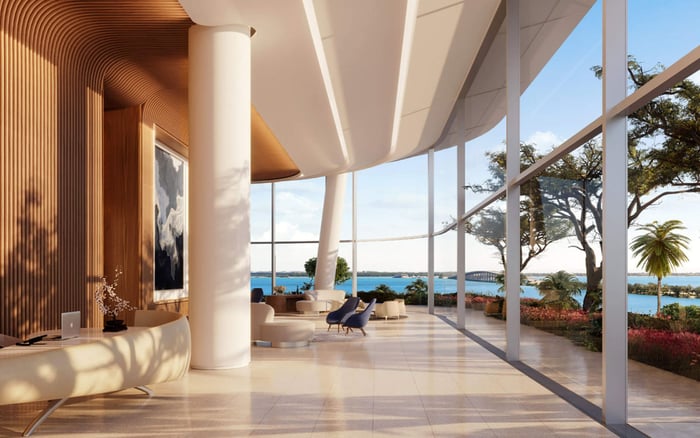
Brickell’s wellness-led residences should be evaluated through circulation, programming, access, staffing, privacy, and long-term operating obligations-not amenity counts alone.
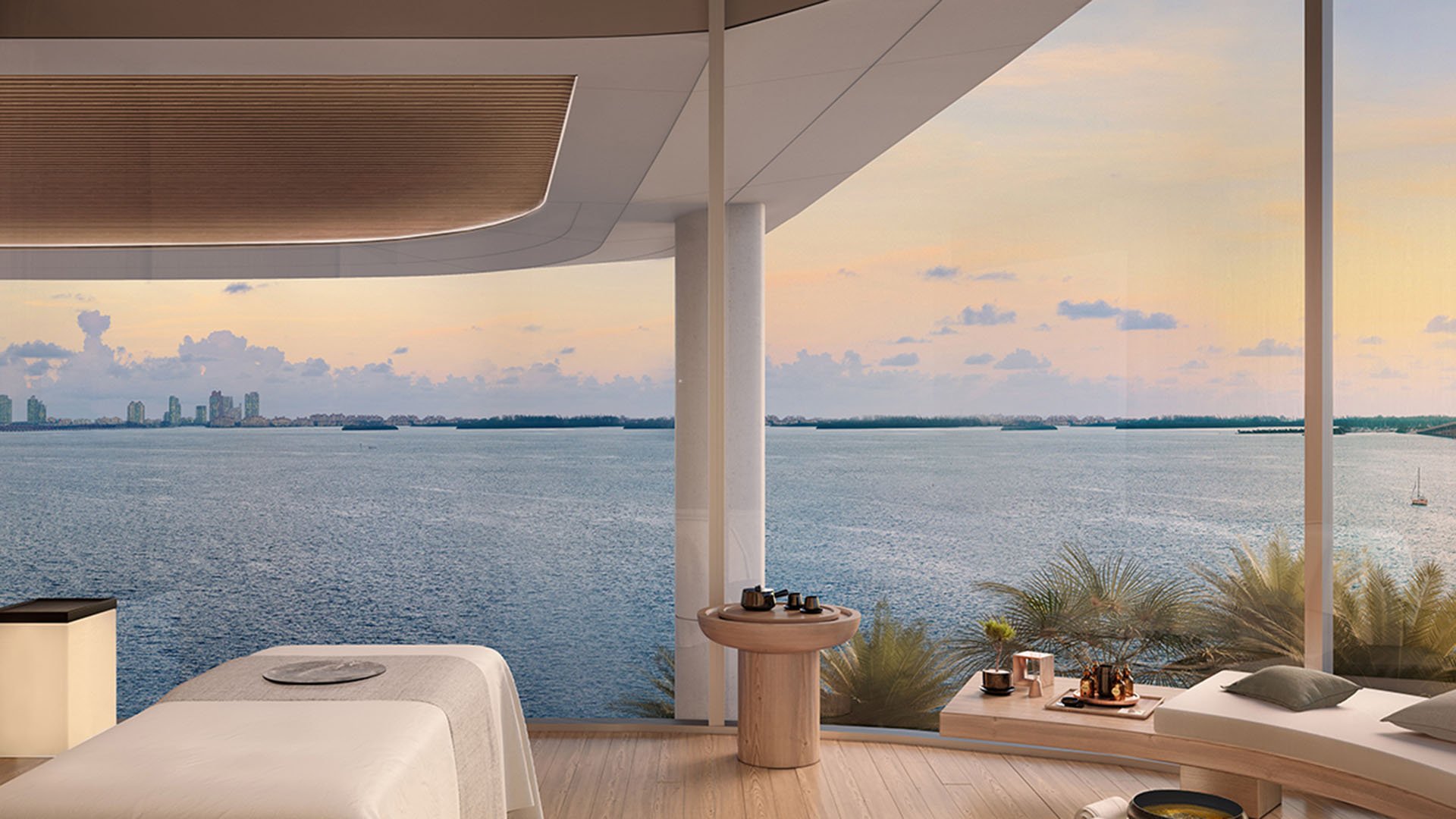
Wellness-led amenity design is most useful when it supports a resident’s routine rather than functioning as a collection of isolated spaces. Buyers can assess whether movement, recovery, relaxation, outdoor time, nourishment, work, and social activity fit together conveniently and privately.
That framework provides a disciplined way to compare ORA by Casa Tua Brickell, Una Residences Brickell, and Viceroy Brickell. The comparison should rely on current plans, offering materials, budgets, rules, and operating disclosures rather than assuming that similar marketing language represents equivalent experiences.
A visually compelling wellness area may still be inconvenient if access is restrictive, reservations are difficult, or circulation compromises privacy. Conversely, a smaller program may deliver greater practical value when its spaces are easy to reach, appropriately staffed, and suited to residents’ schedules.
A buyer should map the route between the residence, fitness areas, treatment spaces, pools, locker rooms, elevators, and social areas. This exercise can reveal whether commonly paired activities form a coherent sequence or require repeated elevator trips and movement through busy shared zones.
Privacy also depends on circulation. Ask whether residents and guests use the same routes, whether public-facing venues intersect with residential paths, and whether changing or recovery areas can be reached discreetly. Review plans for potential congestion points without treating renderings as proof of the completed operating experience.
Accessibility and convenience deserve similar attention. Buyers should determine how each space is reached, whether access changes by time of day, and whether the layout supports the buyer’s intended routine.
A room shown for fitness, treatment, relaxation, or classes does not by itself establish how that room will operate. Buyers should ask whether programming is planned, who may provide it, how reservations could work, and whether services would involve separate charges.
The same distinction applies to hospitality-oriented spaces. Restaurants, lounges, work areas, and gathering rooms can add convenience, but their value depends on access terms, hours, capacity, privacy, and the relationship between residential and nonresidential users.
Buyers considering a wider Brickell wellness comparison may also review House of Wellness Brickell. Its name should not substitute for document-based confirmation of facilities, services, access rights, or costs.
Condominium documents and related disclosures should clarify which spaces form part of the residential amenity program and how access may be governed. Buyers should request current information about operating hours, staffing, reservations, cancellations, guest privileges, resident priority, private events, and any pay-per-use services.
Financial review is equally important. Ask which operating and maintenance obligations are reflected in the proposed budget, which offerings may carry separate fees, and how commercial or hospitality components relate to residential expenses. Any answer material to the purchase should be confirmed in writing through the appropriate project documents and professional advisers.
A careful review should also distinguish a dedicated residential amenity from a separately operated venue. The distinction may affect availability, privacy, booking priority, and the degree of control residents have over their day-to-day experience.
Start by defining the routine the residence needs to support. A buyer focused on daily exercise may prioritize convenient access and useful hours, while someone interested in treatments or social wellness may place greater weight on staffing, reservations, and guest policies.
Next, compare each project using the same checklist. Review location within the building, circulation, exclusivity, capacity, operating responsibility, included services, separate charges, and rules governing guests or events. Consistent criteria make it easier to identify meaningful differences without relying on amenity totals.
Finally, test every important representation against the latest governing and offering materials. Wellness-led design can contribute to luxury living when the physical plan and operating model work together, but buyers should evaluate that relationship project by project.
What is wellness-led amenity design? It is an approach that considers how spaces for movement, recovery, relaxation, work, and social activity support everyday residential life.
Why are amenity counts an incomplete comparison? A long list does not establish convenient circulation, reliable access, suitable hours, staffing, or manageable costs.
How should buyers compare ORA, Una, and Viceroy? Apply the same checklist to current plans, offering materials, budgets, access terms, and operating disclosures for each project.
Why does circulation matter? Circulation determines how conveniently and privately residents can move among their homes, wellness spaces, and shared areas.
What should buyers ask about programming? Ask whether classes or treatments are planned, who may operate them, how booking works, and whether separate charges apply.
Why should guest policies be reviewed? Guest rules can influence privacy, availability, reservations, and the practical capacity of shared spaces.
How should hospitality-oriented spaces be assessed? Review resident access, operating hours, capacity, privacy, fees, and any interaction with nonresidential users.
Which costs require clarification? Buyers should distinguish expenses included in the proposed residential budget from optional or pay-per-use services.
Are renderings enough to evaluate wellness amenities? No. Renderings should be considered alongside current plans, governing documents, budgets, rules, and operating disclosures.
What is the most important final step? Confirm every purchase-critical representation in current project documents and review it with appropriate professional advisers.
To compare the best-fit options with clarity, connect with MILLION.
If branded residences are on your mind — as a home or as an allocation — we would be glad to share what we are seeing, privately.
Begin a quiet conversation