ORA by Casa Tua brings a planned hospitality-led residential concept to Brickell. Its four dining venues, furnished residences, and advertised rental flexibility merit a close reading of service entitlements, operating costs, and ownership documents.
The appeal of ORA by Casa Tua Brickell is the prospect of a residence organized around hospitality: a place to arrive with little preparation, dine within the building, and potentially rent out while away. Planned at 1210 Brickell Avenue, the project brings Casa Tua's identity into a residential setting with restaurants, services, and private amenities.
That combination deserves two readings. The first is experiential: how comfortably might the building support everyday life or a seasonal stay? The second is contractual: which services, access rights, and rental permissions will accompany ownership? The distinction between a compelling concept and an enforceable entitlement is central to evaluating ORA.
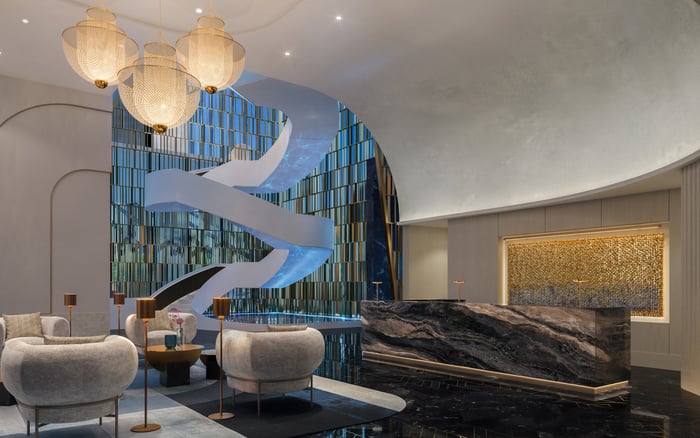
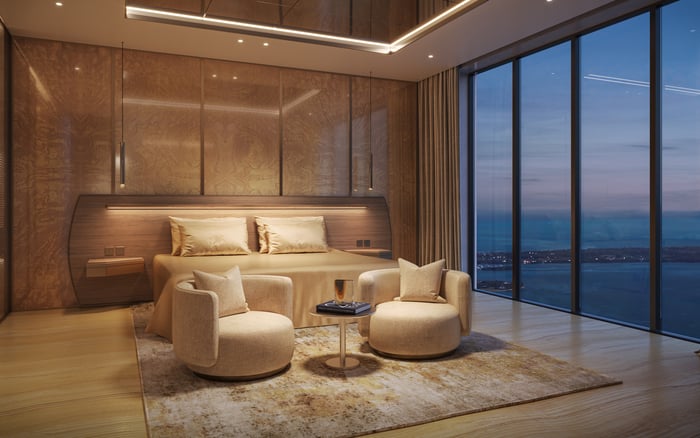
ORA's residences are marketed as fully furnished or turnkey, with layouts ranging from studios to four bedrooms, alongside sky suites and penthouses. The planned design team includes Arquitectonica for architecture, ArquitectonicaGEO for landscape design, and m2atelier for interiors. The proposition is a home supported by a broader hospitality environment, rather than an apartment considered in isolation.
The stated residence count varies between 540 and 533 homes. Buyers should look to the final offering documents to settle that detail. More consequential for daily use are the selected floor plan, furnishing inventory, storage provisions, and division between residential and public-facing spaces.
For a buyer also considering Cipriani Residences Brickell, the useful comparison goes beyond brand recognition. It is the documented scope of each purchase: what comes with the residence, what remains optional, and which operating arrangements suit the owner's intended pattern of use.
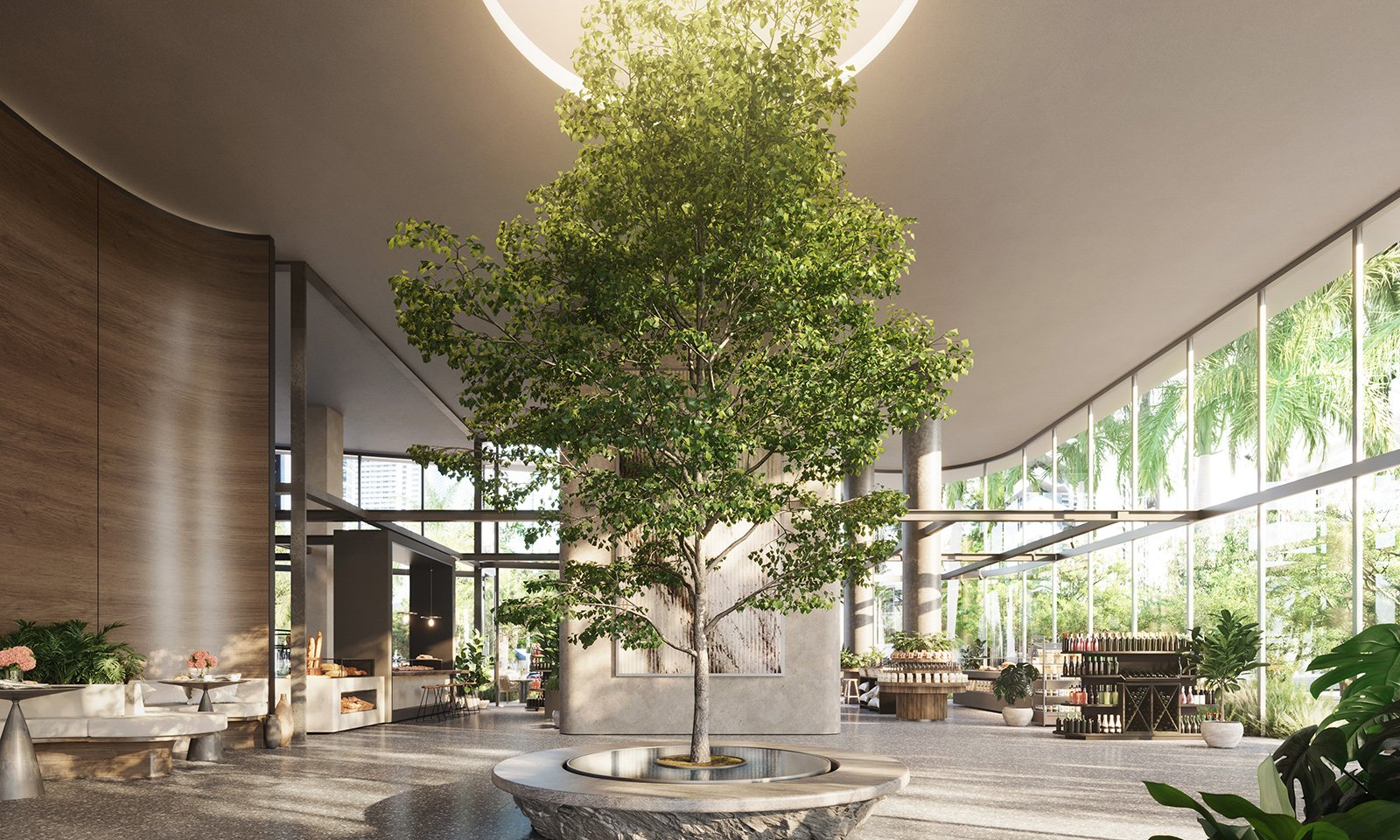
ORA's planned dining program comprises Terra, Uva, Fuoco, and Vento. Together, they are intended to give the building a social rhythm beyond occasional destination dining. The project calls for approximately 25,000 square feet of restaurant and retail space, making the commercial component a meaningful part of the residential proposition.
Terra is envisioned as a 24-hour gourmet market, bakery, and gathering place. For an owner arriving late or keeping an irregular schedule, that format could be particularly useful. Its practical value will depend on the eventual offering, operating arrangements, and charges-not its hours alone.
Uva is planned as a Mediterranean wine and dining venue with more than 500 wine labels. Fuoco is positioned as an Italian restaurant and bar centered on open-fire or wood-fired cooking. Vento adds a rooftop dining and entertainment concept with a pool, fire pits, and an entertainment stage.
These venues are intended to welcome the wider community as well as residents. That distinction matters: a restaurant within the building is not necessarily a private residential amenity. Buyers should ask about reservations, resident priority, visitor circulation, event schedules, and the separation of public and private areas. A lively address and a quiet home can be compatible, but the operating plan deserves scrutiny.
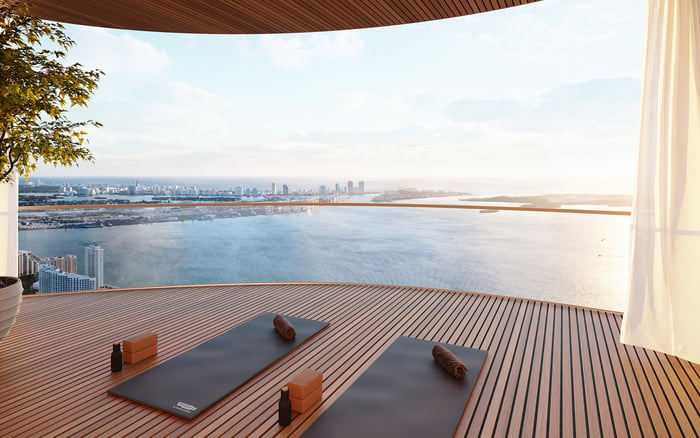
Professional on-site hospitality management and housekeeping support are part of ORA's planned offering. Planned amenities also include rooftop pools, private lounges, a spa, fitness facilities, landscaped sky gardens, and art and music programming. These remain planned features, not confirmation of completed facilities or operating services.
For ownership purposes, divide the service proposition into three categories: included services, separately billed services, and privileges subject to availability. Housekeeping frequency, booking procedures, guest access, and any dining benefits belong in that review. A brand association alone does not establish complimentary service or guaranteed access.
Turnkey ownership also carries ongoing responsibilities. Request the furnishing inventory and policies governing repairs, replacements, wear, and any required refresh cycle. A furnished home can simplify arrival while still carrying recurring obligations, particularly if it accommodates both owners and rental guests.
ORA is marketed for permanent residency as well as short-term, seasonal, and long-term rental use. The advertised proposition includes a three-night minimum stay and the possibility of renting a residence while its owner is absent. Both are important elements, but neither should be treated as an unrestricted right.
Before relying on that flexibility, confirm the minimum stay for the specific unit against the final declaration, operating rules, rental agreement, and applicable Miami regulations. Establish whether program participation is optional, who controls reservations, and how owner stays interact with existing bookings. Ask about advance-notice requirements, owner-use limitations, and restrictions on independently arranged rentals.
The ownership proposition does not establish occupancy, rental rates, management fees, revenue splits, or net returns. Rental flexibility is therefore best understood as a potential use option, not an income forecast. Even a buyer who never intends to rent should examine how transient occupancy may affect residential circulation and amenity use.
The financial review should begin with the condominium budget, reserves, insurance obligations, and closing costs. Current pricing and association dues are not established here, nor are charges for hospitality management, housekeeping, rental administration, or furnishing replacement. Request these items in writing before comparing ownership scenarios.
Mixed-use cost allocation warrants particular attention. Restaurants, retail, rooftop entertainment, and hospitality operations may involve shared spaces or services. Review how expenses are divided between residential owners and commercial operations, including the contractual treatment of shared facilities. The question is not merely what the building offers, but which costs owners are obligated to support.
When weighing ORA against The Residences at 1428 Brickell, apply the same cost framework to both prospective purchases. Compare documented obligations and permitted uses rather than assuming that residences in the same neighborhood offer equivalent ownership arrangements.
ORA is best suited to a buyer whose preferences align with its planned combination of furnished living, dining, hospitality support, and potential rental use. The decisive questions concern ordinary routines: arriving, hosting, reserving a table, arranging housekeeping, and leaving the residence in someone else's care.
Before signing, reconcile those expectations with the final documents, service schedules, and operating agreements. The most persuasive luxury proposition is one whose practical terms are as clear as its design intent.
Explore ORA and your broader Brickell ownership options with MILLION.
If branded residences are on your mind — as a home or as an allocation — we would be glad to share what we are seeing, privately.
Begin a quiet conversationORA by Casa Tua is planned at 1210 Brickell Avenue in Miami's Brickell neighborhood.
The residences, dining venues, services, and amenities are described as planned or marketed. Completion and opening are not established here.
The planned offering ranges from studios to four-bedroom residences, with sky suites and penthouses also described.
Yes, residences are promoted as fully furnished or turnkey. Buyers should verify the included inventory and furnishing-replacement obligations.
The four planned Casa Tua concepts are Terra, Uva, Fuoco, and Vento, spanning a gourmet market, wine and dining, Italian cooking, and rooftop entertainment.
The dining and entertainment program is intended for residents and the wider community. Resident priority and private access should be verified rather than assumed.
ORA advertises rental flexibility with a three-night minimum stay. Confirm permission for the specific unit against the final documents, rental agreement, and applicable Miami regulations.
Permanent residency is part of the advertised ownership proposition. Buyers should confirm how personal occupancy interacts with any rental-program commitments.
The included service scope and charges are not established here. Buyers should distinguish included benefits from separately billed services and availability-dependent privileges.
Request the condominium budget, reserves, insurance obligations, closing costs, and rental-program terms. Also review housekeeping charges, furnishing policies, and residential versus commercial expense allocation.