ORA by Casa Tua’s planned dining, gathering, and workspaces offer a compelling proposition for Brickell buyers who want a social address while keeping their residence personal. The purchase decision turns on access policies, operating costs, and what is ultimately delivered.
For some luxury buyers, the ideal residence is not where every evening ends with guests around the dining table. It is a personal retreat close to places for conversation, dinner, or an impromptu meeting. The distinction is between having a social life at one’s address and making the home itself the venue.
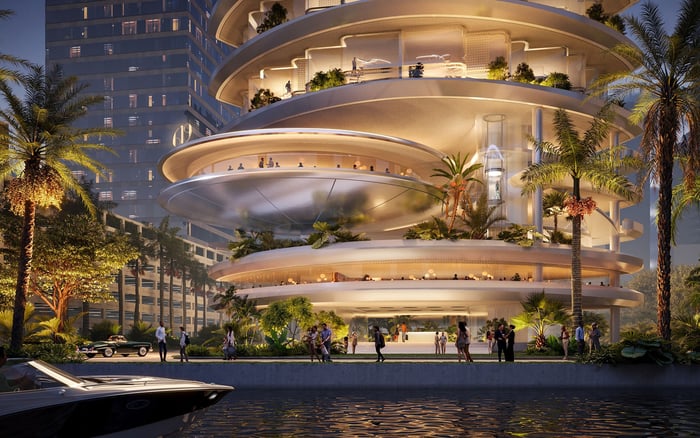
That is the appeal of ORA by Casa Tua Brickell. Planned at 1210 Brickell Avenue, near Southeast 13th Street, the development combines residences with a hospitality-led program of dining, lounges, wellness, and workspaces. Plans call for a 77-story tower with approximately 533 residences.
The proposition is not guaranteed quiet or privacy. It is choice: more potential places to meet people without inviting them into the rooms where one lives.
Approximately 25,000 square feet of food-and-beverage space is planned across four Casa Tua concepts: Terra, Uva, Fuoco, and Vento. For a buyer who enjoys going out but dislikes organizing an evening at home, that program is central to ORA’s appeal.
Terra is envisioned as a 24-hour market and bakery, adding an everyday dimension to the hospitality offering. Coffee, food, and routine purchases could make the address useful between formal occasions, not only when there is a dinner reservation to arrange.
The restaurants and market are intended to welcome the public. The proposed atmosphere is therefore not simply that of a residents-only dining room. Buyers should also distinguish proximity from privilege. A restaurant downstairs does not, by itself, establish priority reservations, preferred seating, resident pricing, or guaranteed availability. Any such benefits require confirmation, as do the named concepts and their proposed operating hours.
ORA’s planned show kitchen, private event space, and entertainment lounge offer another way to gather outside the residence. These settings could suit an owner who wants to bring people together without reorganizing a living room or opening private quarters to guests.
Yet an amenity’s presence on a plan does not establish how it will operate. Buyers should ask about booking windows, capacity, catering requirements, staffing, cleaning charges, deposits, and cancellation terms. The relevant question is not simply whether an event room exists, but whether it can accommodate the occasions an owner expects to host.
The same discipline applies when considering Cipriani Residences Brickell alongside ORA. Rather than assuming comparable access or service from a name, request each property’s specific operating framework. For this buyer, the ability to reserve an appropriate setting may matter more than the sheer number of shared rooms.
The proposed social spaces extend beyond dining. Private offices, conference rooms, and coworking facilities could allow professional conversations to take place outside the apartment. A buyer who occasionally meets a colleague may find that separation as valuable as having somewhere else to entertain friends.
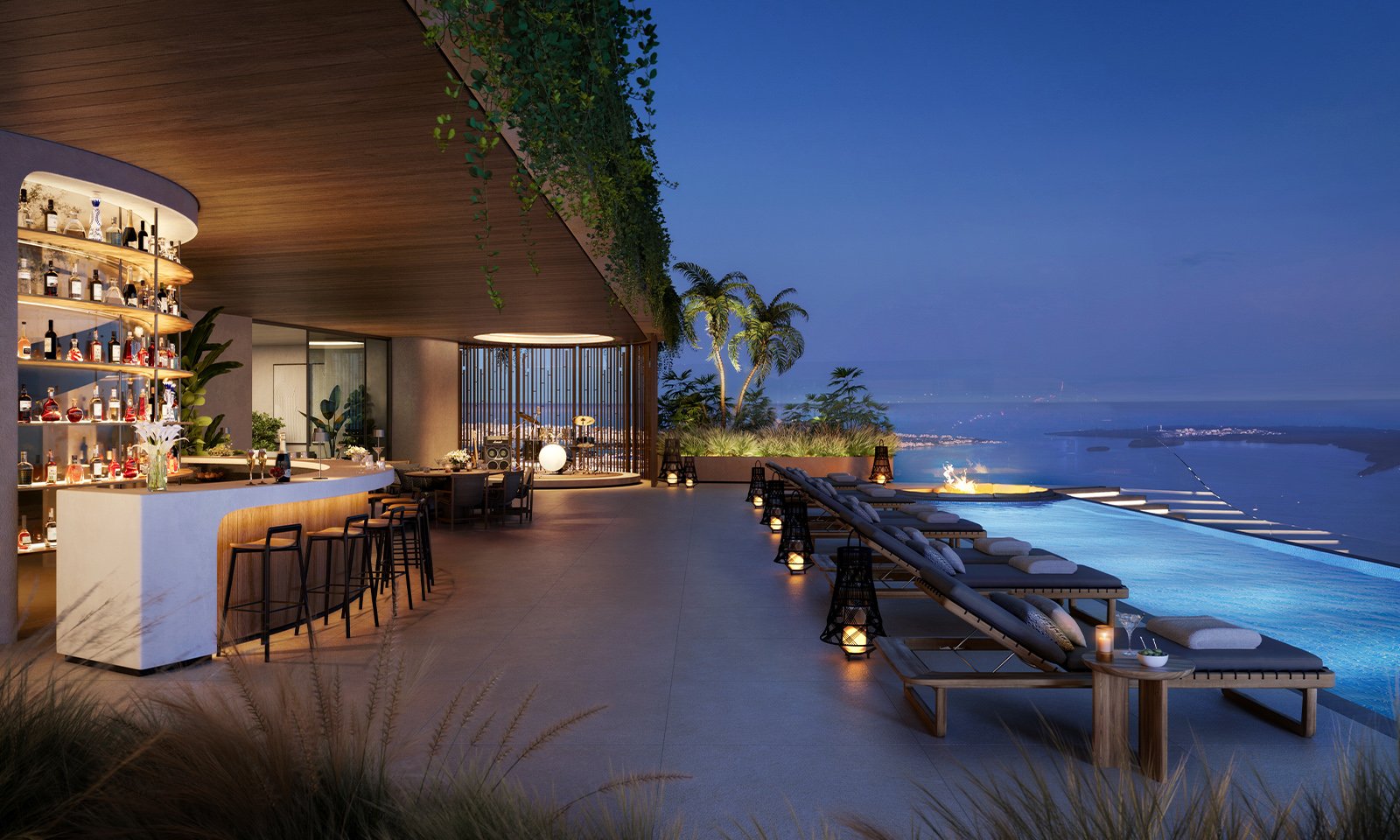
Plans also include a two-floor fitness and wellness center and a three-story open-sky garden. The proposed 12th-floor pool area includes a sun shelf, loungers, cabanas, and a Jacuzzi. Together, these settings suggest several ways to spend time beyond the residence, from a scheduled meeting to an informal poolside encounter.
None should be treated as unrestricted guest space. Public access to restaurants does not establish access to residential pools, wellness facilities, coworking rooms, or lounges. Ask how visitors are registered, which spaces they may enter, and whether elevator access separates public-facing venues from residential areas. Those answers will help determine whether the building’s social energy feels convenient or intrusive.
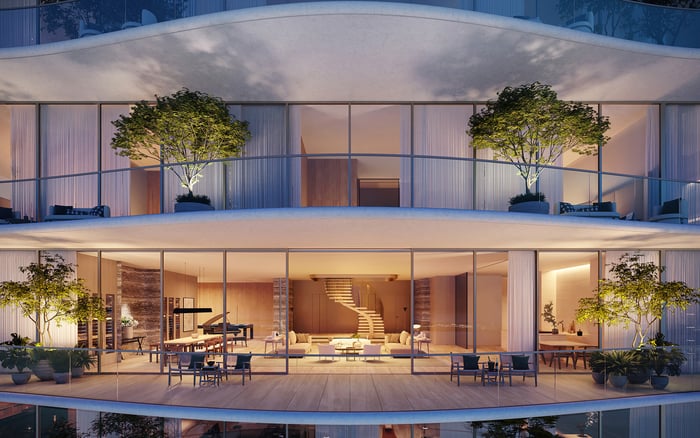
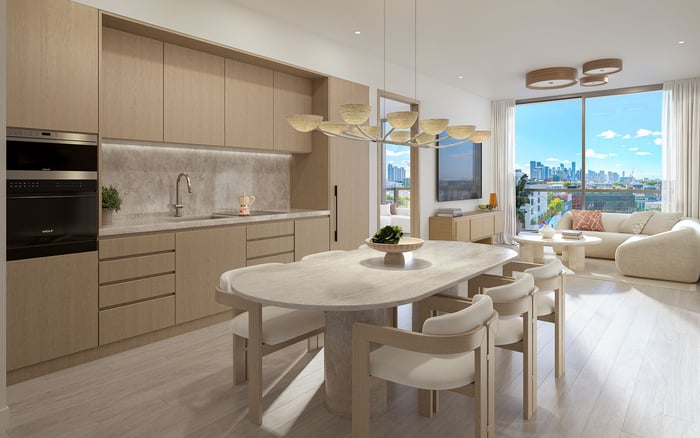
ORA’s planned residence mix ranges from studios through four bedrooms, with sky suites and penthouses on upper floors. Residences are planned for fully furnished delivery, with interiors by Milan-based m2atelier. Specifications include 10-foot ceilings, floor-to-ceiling windows, and terraces with glass railings.
For the intended buyer, these details frame a practical question: how much space should be devoted to daily living, and how much to occasional entertaining? Shared venues may reduce the desire for a large hosting area, but they do not replace a comfortable layout, storage, or the ability to welcome a few guests spontaneously.
When comparing ORA with The Residences at 1428 Brickell, assess each actual floor plan against personal routines rather than assuming a shared amenity can substitute for private square footage. Furnished delivery also deserves an itemized review: what is included, what can change, and which replacements become the owner’s responsibility.
A hospitality identity can make a residential proposition immediately clear. Its lasting value, however, depends on the relationship between the brand, the venues, the condominium, and the owner. At ORA, buyers should establish whether the named Casa Tua concepts and proposed services are contractually committed or subject to change.
Request the latest condominium documents and operating budget, then clarify which costs support residential amenities and which relate to hospitality services. Ask whether event use, wellness offerings, or other services carry separate charges. Without that distinction, it is difficult to assess the true cost of the lifestyle under consideration.
Second-home buyers should also examine ORA’s short-term-rental positioning carefully. Proposed rental flexibility requires confirmation of permitted uses and restrictions in the governing documents. Evaluate rental arrangements alongside guest registration and amenity access, rather than treating them as a separate investment feature with no effect on residential life.
The amenities described here are planned. They should not be read as confirmation of completed delivery or current construction progress. Before committing, obtain the latest construction schedule, residence specifications, furnishings inventory, and commitments for amenity delivery.
For this buyer, the most consequential questions are practical. Will the preferred dining venue operate when needed? Can the event space be reserved on workable terms? Can a business guest reach a meeting room without entering residential areas? What happens if a proposed venue or service changes?
ORA’s appeal is strongest for someone who wants home to remain personal while having several potential settings for a wider social life. The purchase should rest on whether those settings are deliverable, accessible, and sensibly priced-not simply on the promise of activity downstairs.
For a tailored assessment of ORA and your Brickell alternatives, connect with MILLION.
If branded residences are on your mind — as a home or as an allocation — we would be glad to share what we are seeing, privately.
Begin a quiet conversationORA is planned at 1210 Brickell Avenue, near Southeast 13th Street, in Miami’s Brickell district.
Plans call for a 77-story tower with approximately 533 residences. Buyers should confirm the final residence count in current offering documents.
Terra, Uva, Fuoco, and Vento are planned across approximately 25,000 square feet of food-and-beverage space. Final concepts and operating commitments require confirmation.
The planned restaurants and market are intended to welcome the public. That does not establish public access to residential amenities.
Plans include a show kitchen, private event space, and an entertainment lounge. Booking procedures, guest limits, and charges should be verified.
Residences are planned for fully furnished delivery. Buyers should review the final furnishings inventory and substitution provisions.
Layouts range from studios through four bedrooms, with sky suites and penthouses on upper floors.
Private offices, conference rooms, and coworking facilities are planned. Buyers should confirm reservation terms and visitor access.
ORA is marketed as short-term-rental friendly, but permitted uses and restrictions require confirmation in the governing documents.
The described amenities are planned, not confirmed as delivered. Buyers should obtain the latest construction schedule and contractual amenity specifications.